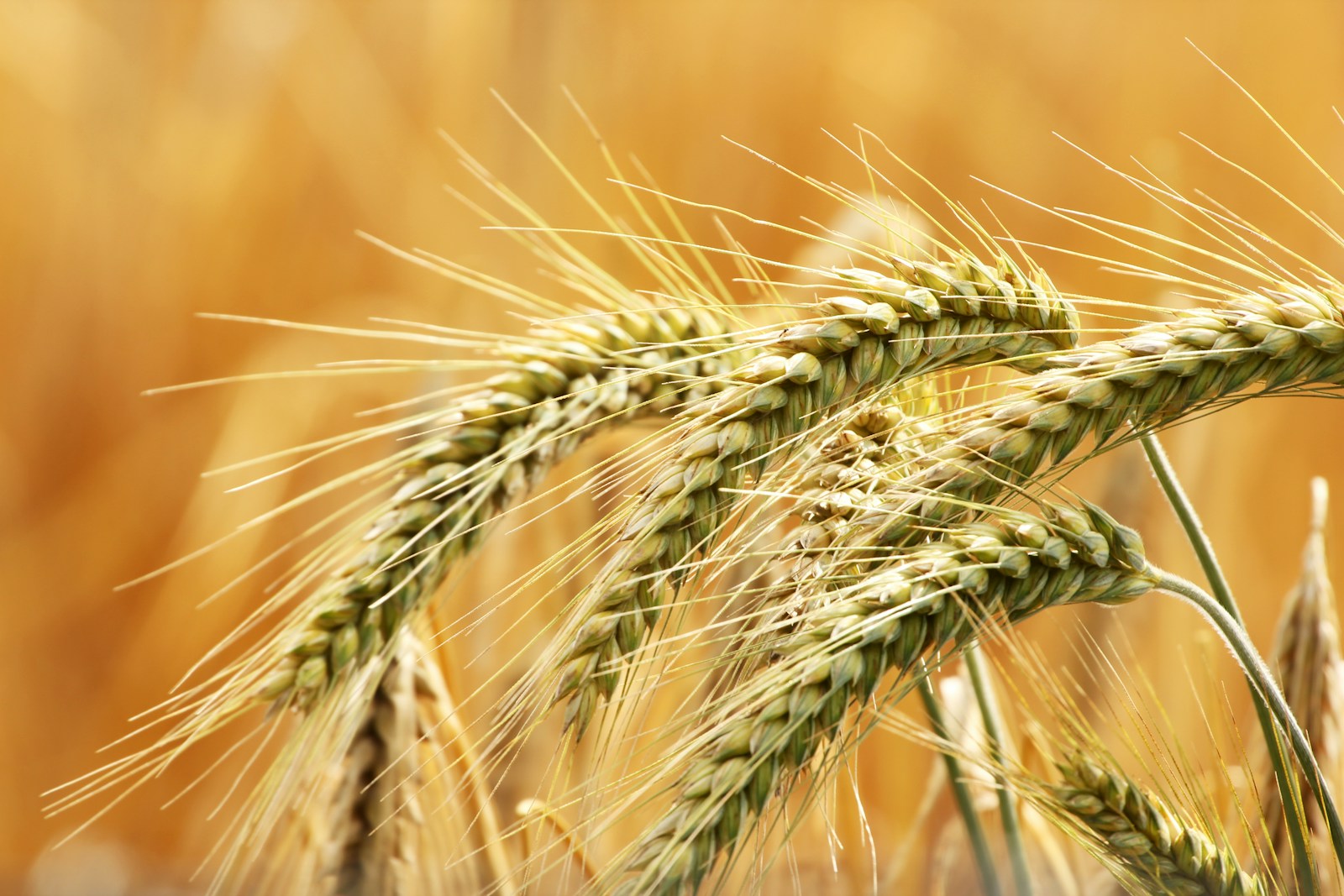
Barley is the quickest of the small grains, and it copes with poorer soil and cooler weather than wheat. A patch the size of a large bed gives you grain for soups, sprouting or home malting, plus straw for mulch. It is easy to grow; the real work comes at harvest, when you cut, thresh and clean it by hand.
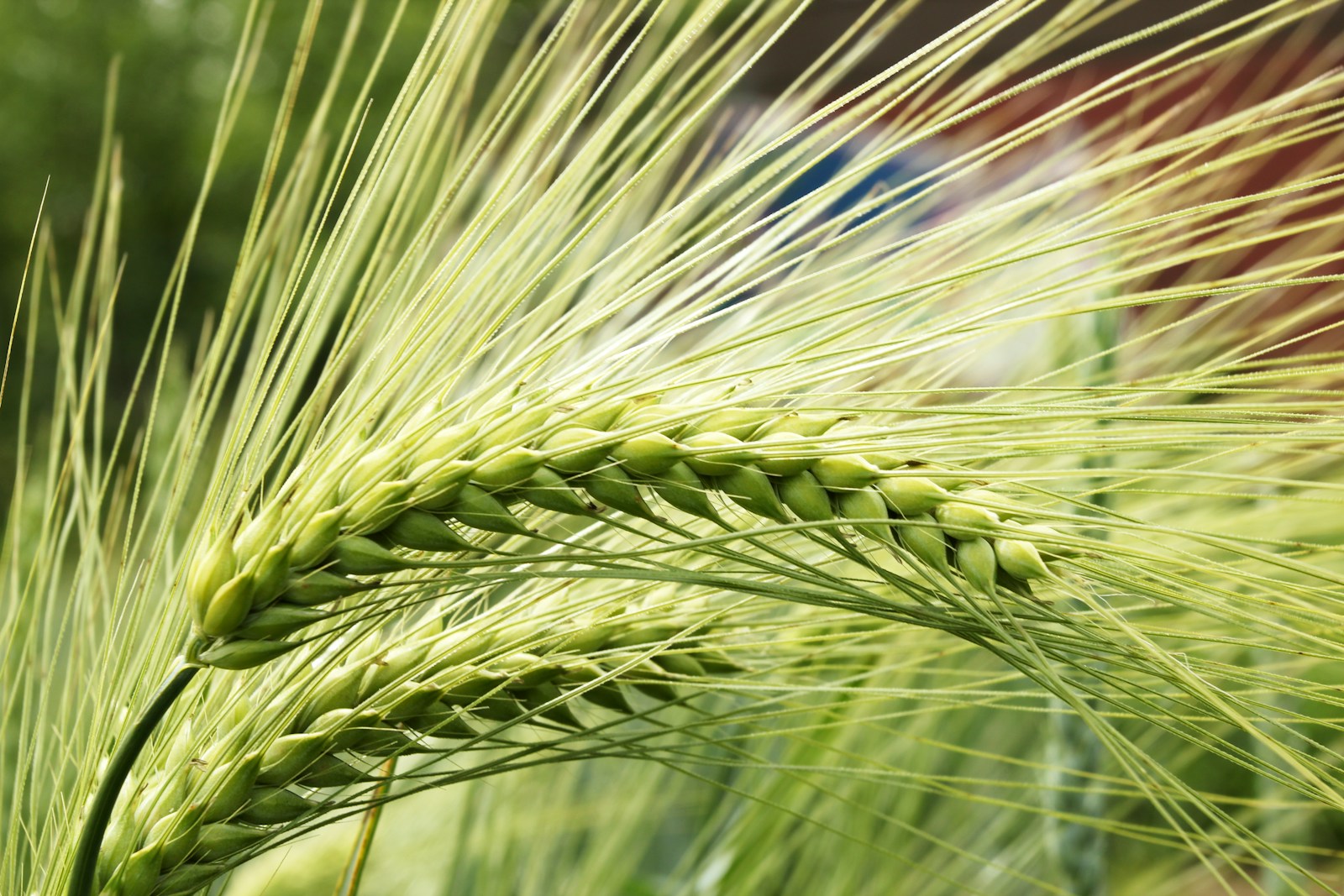
Sowing and planting
Barley comes as winter and spring types, and each must be sown in its own season.
Winter barley goes in about 4 to 6 weeks before your first autumn frost. It needs time to tiller (send up extra shoots from the base) before the ground freezes. The small plants sit dormant through winter, then race ahead as the soil warms. Winter barley is less hardy than winter wheat or rye. It is dependable in about zones 6 to 9, and risky colder than that.
Spring barley goes in as soon as you can work the soil, about 2 to 4 weeks before your last frost. Seedlings shrug off light frost. Sow early, because barley yields best when it grows through cool weather and ripens before high summer heat.
Winter barley sown too late, or in a zone colder than about 6, often dies over winter. If your winters are harsh, grow a spring type instead.
Prepare a fine, weed-free seedbed. Dig or rake out perennial weeds first, because you cannot hoe a broadcast plot later.
Broadcasting is fastest for a small plot. Scatter the seed evenly by hand, working in two passes at right angles. Rake it in to about 1 inch (2.5 cm) deep, then firm the soil with the back of the rake. Rows take longer to sow but let you hoe between them. Draw shallow drills 6 to 8 inches (15 to 20 cm) apart and drop a seed every inch or so (2 to 3 cm).
For seed rate, use about 3 to 4 ounces of seed per 100 square feet (roughly 10 to 12 g per square metre). Use the upper end when broadcasting, since some seed is always lost to birds.
Growing on
Barley needs little care once it is up. Water during dry spells until the heads fill, giving about 1 inch (2.5 cm) a week. Stop watering once the heads start to turn gold, so the grain dries down.
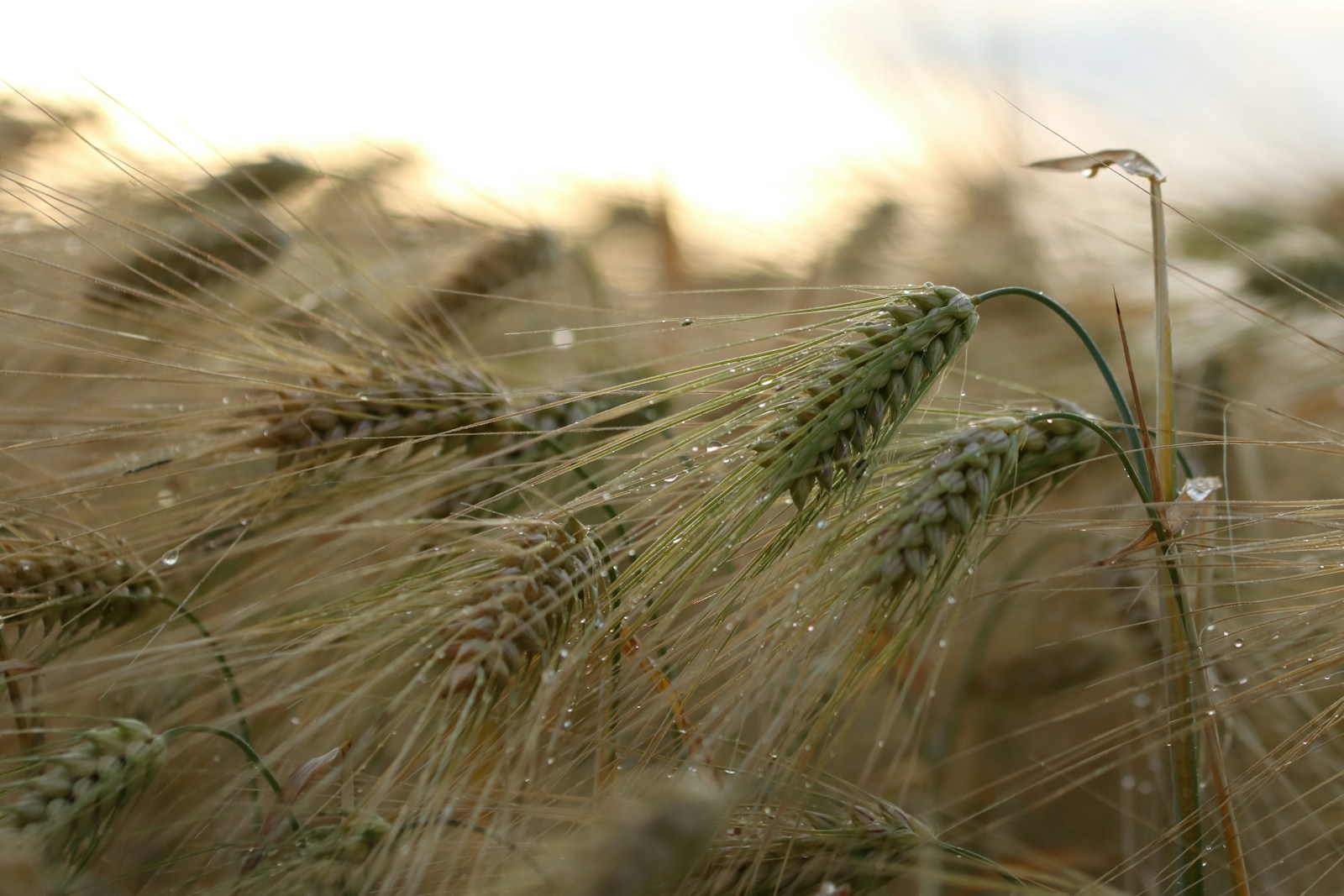
Go easy on feeding. A light dressing of compost before sowing is enough in most garden soils. Too much nitrogen gives lush, weak straw that falls over.
Keep weeds down for the first month or so. After that the crop shades them out. In rows, hoe shallowly. In a broadcast plot, pull large weeds by hand.
Barley needs no staking or pruning.
Barley also makes a good cover crop. Sow it in autumn on beds you want to rest, as a green manure (a crop grown to feed the soil). Its roots hold soil over winter and soak up leftover nitrogen. In spring, cut it down before it flowers and dig it in or leave it as mulch. Wait 2 to 3 weeks before sowing into the bed, while the roots break down.
Harvesting
Barley is ready when the straw and heads turn golden and the heads bend over. Test a few kernels with the thumbnail test. Press a thumbnail into a kernel. If it dents but stays firm, like soft wax, wait a few more days. If it is hard and barely marks, it is ready. Harvest on a dry afternoon, once dew has gone.
Cut the stalks near the base with a sickle, hedge shears or a sharp knife. Tie them into bundles called sheaves and stand several upright together, heads up, in a dry, airy place for 1 to 2 weeks. This lets the grain finish drying.
Threshing knocks the grain out of the heads. Beat the heads inside a clean pillowcase or feed sack with a stick. You can also bash small bundles against the inside of a clean trash can, or tread them on a tarp. Barley awns (the long bristles) are sharp and itchy. Wear long sleeves, gloves and eye protection while you thresh.
Winnowing blows away the chaff. On a breezy day, or in front of a box fan, pour the grain slowly from one bucket into another. The heavy grain falls straight down and the light chaff blows aside. Repeat until the grain is clean.
Spread the clean grain in a thin layer for a few more days if it feels at all soft. Properly dry kernels crack rather than squash when you bite one. Store it in airtight jars or tins in a cool, dry place. Freezing the grain for 3 to 4 days first kills any insect eggs.
To save seed, set aside the plumpest grain from your healthiest plants. Stored cool and dry, it usually stays viable for several years.
Problems and pests
The whole crop lies flat
This is lodging. Rich soil, too much nitrogen or a storm causes it. Feed less next time, choose a shorter variety, and run string lines along windy edges. Harvest flattened patches promptly, before the grain sprouts or rots.
Seed or ripening grain disappears
Birds eat freshly sown seed and ripening heads. Rake seed in well, and cover small plots with bird netting or floating row cover (a light fabric laid over crops) until seedlings are up. Net again as the heads ripen.
White powdery patches on the leaves
This is powdery mildew, a fungal disease that spreads in crowded, humid plantings. Sow at the recommended rate rather than thicker, and grow resistant varieties. Rotate so barley does not follow barley in the same bed.
Yellow or reddish leaf tips and stunted plants
Barley yellow dwarf, a virus spread by aphids, usually causes this. Early autumn sowings are most at risk. Sow winter barley no earlier than recommended for your area.
Small beetles or moths in stored grain
Grain weevils and moths come in with poorly dried or unfrozen grain. Freeze grain before storing it, keep it in sealed containers, and check it every few weeks.
Varieties worth growing
Barley splits two ways. Two-row and six-row types differ in how many kernel rows run up each head. Two-row types have plumper kernels and are preferred for malting. The bigger difference for a home grower is hull.
Hulled barley
Hulled barley has a tough hull fused to the kernel, which you cannot rub off at home. It suits malting, sprouting, animal feed and cover cropping.
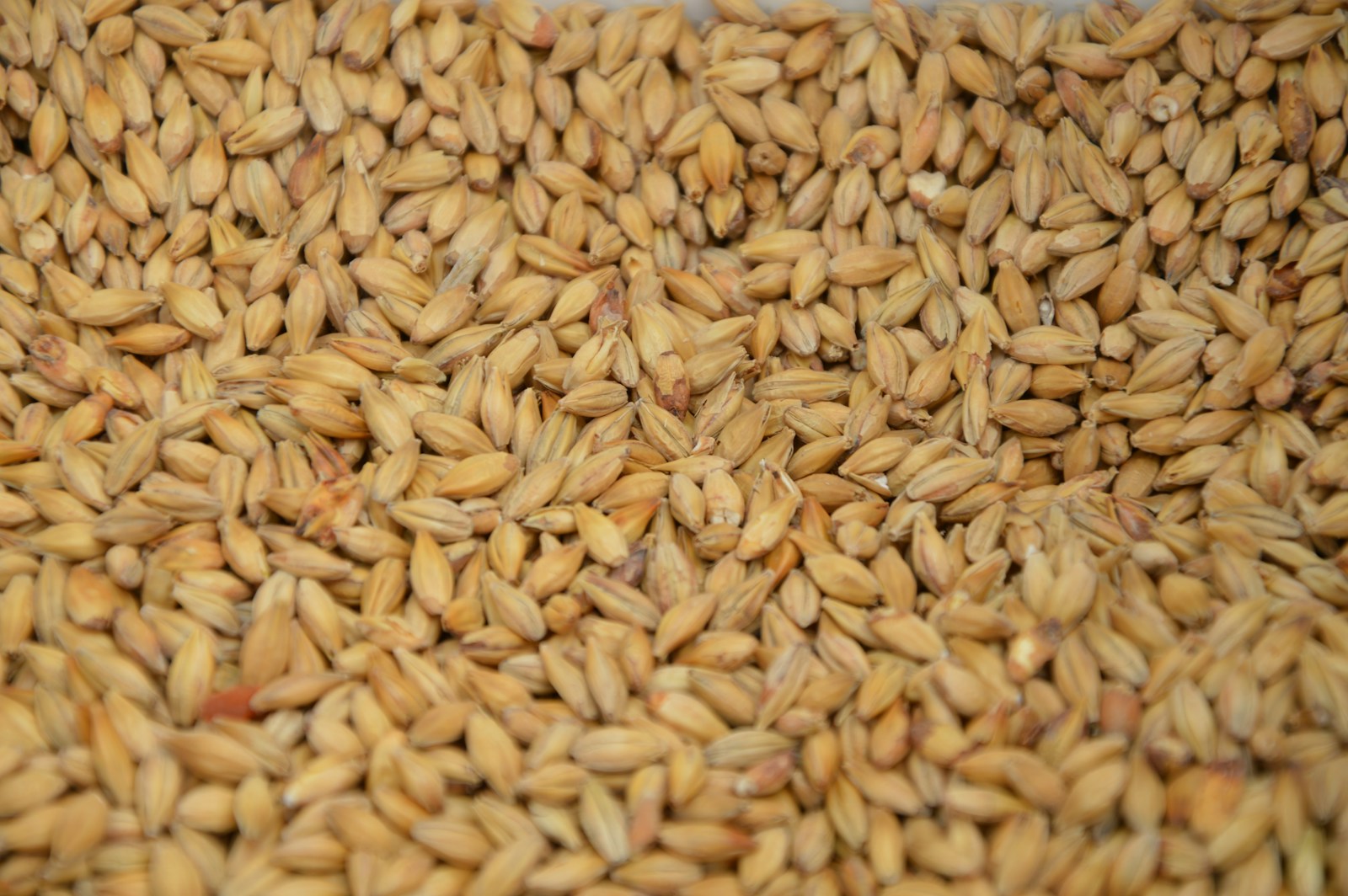
- 'Maris Otter': A famous two-row winter barley, prized by home brewers for malting.
- 'Golden Promise': A short-strawed two-row spring barley, long used for malting.
- 'Robust': A six-row spring malting barley, widely grown in the northern plains.
- 'Harrington': A two-row spring malting barley that became a standard in western North America.
Hulless barley
Hulless (naked) barley threshes free of its hull, just like wheat, so you can cook it straight after winnowing. It yields a little less but is by far the easier choice for eating.
- Purple or black hulless heirlooms: Dark-kernelled naked barleys sold by heirloom seed suppliers under several names. They make an attractive, nutty cooking grain.