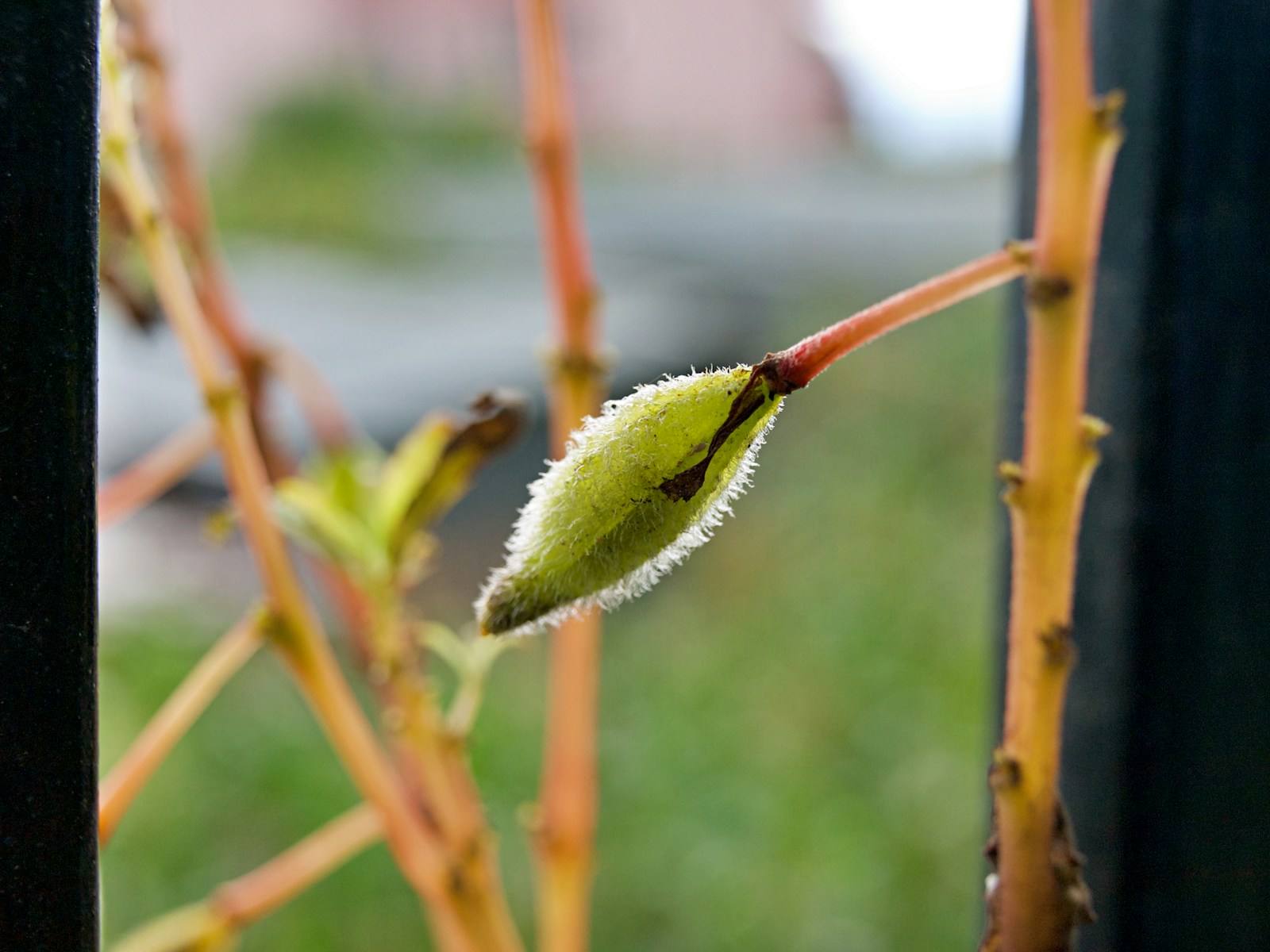
Garden balsam (Impatiens balsamina) is a bushy, fast-growing annual with an old-fashioned charm. Rose-like or camellia-like flowers cluster along thick, succulent stems in pink, red, purple, white and bicolours. The ripe seed pods split open with a snap when touched, flinging seed across the bed. That habit earns it the name touch-me-not, and it self-seeds freely. It is easy to grow from seed and suits beds, borders and pots, provided it has warmth and steady moisture.
Sowing and planting
Balsam needs warmth at every stage. In short-season areas, start seed indoors for earlier flowers. In warm areas, direct sowing works well.
Sow indoors six to eight weeks before your last frost. Fill a tray or cells with moist seed compost. Sow the seed thinly and cover it with a very thin layer of compost, about 1/8 inch (3 mm). Keep the tray at 70 to 80°F (21 to 27°C), ideally on a heat mat. Seedlings usually appear within one to two weeks.
Once seedlings emerge, move them to bright light and a slightly cooler spot, around 65°F (18°C). This keeps them stocky. Prick out into individual 3 inch (8 cm) pots when they have two true leaves. True leaves are the ones that look like the adult foliage, not the first seed leaves.
Harden off the young plants (get them used to outdoor conditions over a week or so) before planting out. Wait until one to two weeks after your last frost, when nights stay above 50°F (10°C). Cold soil stunts balsam for weeks.
To sow outdoors, wait until the soil has warmed to at least 65°F (18°C). This is usually two to three weeks after your last frost. Sow thinly, cover lightly and keep the surface moist. Thin seedlings to 10 to 18 inches (25 to 45 cm) apart, closer for dwarf types.
Choose a spot with morning sun and some afternoon shade in hot summers. In cooler climates, full sun gives the most flowers as long as the soil stays moist. Work in plenty of compost before planting to help the soil hold water.
Balsam also grows well in pots at least 10 inches (25 cm) wide. Use a good multi-purpose potting mix and expect to water often.
A second sowing, made three to four weeks after the first, can extend flowering into autumn in long-season areas.
Growing on
Water is the key to good balsam. Keep the soil evenly moist but never waterlogged. Water deeply at the base of the plant, ideally in the morning, so the leaves dry quickly. Plants in pots may need water every day in hot weather.
Feed plants in the ground every three to four weeks with a balanced liquid fertiliser. Feed container plants every two weeks. Too much nitrogen gives lush leaves that hide the flowers, so do not overdo it.
Mulch with 2 inches (5 cm) of compost, leaf mould or shredded bark once the soil is warm. This keeps roots cool, holds moisture and smothers weeds. Keep mulch clear of the stems.
When young plants reach about 6 inches (15 cm) tall, pinch out the growing tip. Pinching (removing the tip with your fingers) encourages side shoots and a bushier plant. Dwarf types seldom need it.
The stems are thick and brittle. Tall types can snap in strong wind, so give them a sheltered spot or a short stake. Staking is rarely needed for dwarf types.
Deadheading is optional, since faded flowers drop by themselves. However, removing young seed pods keeps plants flowering longer. It also limits self-seeding.
Bees and hummingbirds visit the flowers. Balsam pairs well with other warm-season annuals such as zinnias, marigolds and cosmos.
Harvesting
Balsam is grown mainly for garden display. The flowers sit close to the stem on short stalks, so they make poor long-stemmed cut flowers. Instead, cut short sprigs for small posies. You can also float individual flowers in a shallow bowl of water. Cut in the cool of the morning and change the water daily.
Seed is easy to save, and plants of named strains often come fairly true. Choose healthy plants with the best flowers. Let a few pods ripen until they turn from green to yellowish and swell. Ripe pods burst at the lightest touch, so slip a small paper or mesh bag over them before they are fully ripe. Tie the bag loosely at the base.
Alternatively, pick plump pods just before they split and let them ripen in a closed paper bag. Dry the seed for a week, then store it in a labelled envelope in a cool, dry place. Seed usually stays viable for several years.
Where you do not want seedlings next year, remove pods before they ripen. Self-sown seedlings are easy to pull or move while small.
Problems and pests
Leaves speckled pale with fine webbing underneath
Spider mites (tiny sap-sucking pests) multiply fast in hot, dry weather. Spray the undersides of the leaves with water every few days. For heavy attacks, use insecticidal soap. Follow the label, spray in the evening when bees are not active, and wear gloves.
Buds drop before they open
The usual cause is drought or sudden swings between wet and dry soil. Very hot, dry weather adds to it. Water deeply and regularly, and mulch to keep moisture steady.
White powdery coating on leaves
This is powdery mildew, a fungal disease that appears late in the season, especially on crowded or dry plants. Space plants properly and water the soil, not the leaves. Remove affected leaves. Pull badly infected plants at the end of the season and bin them.
Seedlings collapse at soil level
Damping off is a fungal disease of cold, wet compost. Use fresh seed compost and clean trays, and water from below. Give seedlings good air flow and bright light, and do not sow too thickly.
Clusters of small insects on new growth
These are aphids. Rub them off by hand or blast them away with a jet of water. Ladybirds and lacewings usually control them if you avoid broad-spectrum sprays.
Wait for warmth. Balsam is killed by frost and sulks in cold soil. Plant out only after all danger of frost has passed and nights stay above 50°F (10°C).
Varieties worth growing
- 'Camellia Flowered' mix: tall plants with large, fully double flowers in mixed colours.
- 'Tom Thumb' mix: a dwarf, compact strain about 10 inches (25 cm) tall, ideal for edging and pots.
- 'Top Knot' mix: double flowers held above the foliage rather than hidden among the leaves.
- 'Blackberry Ice': deep purple double flowers splashed with white.