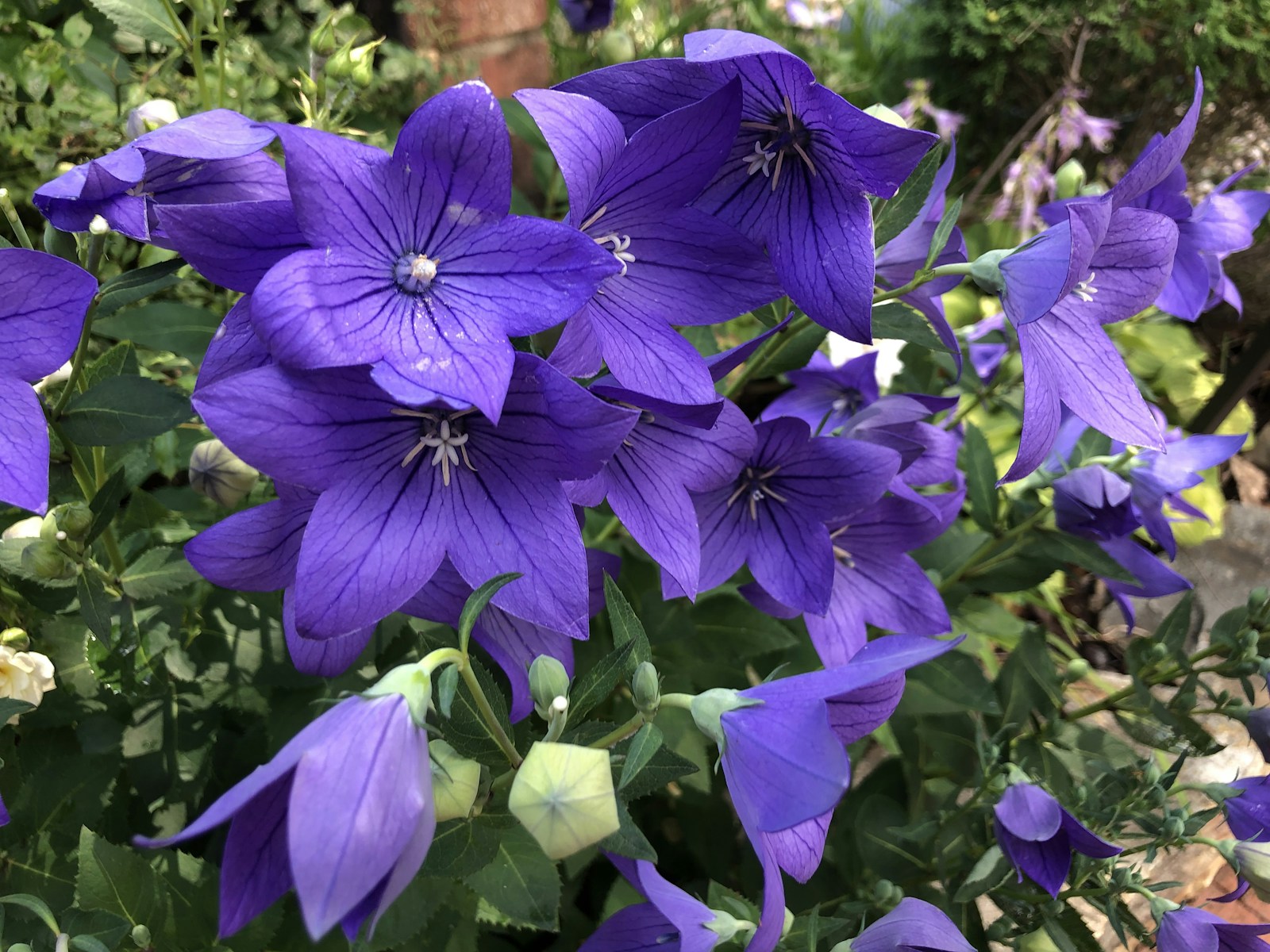
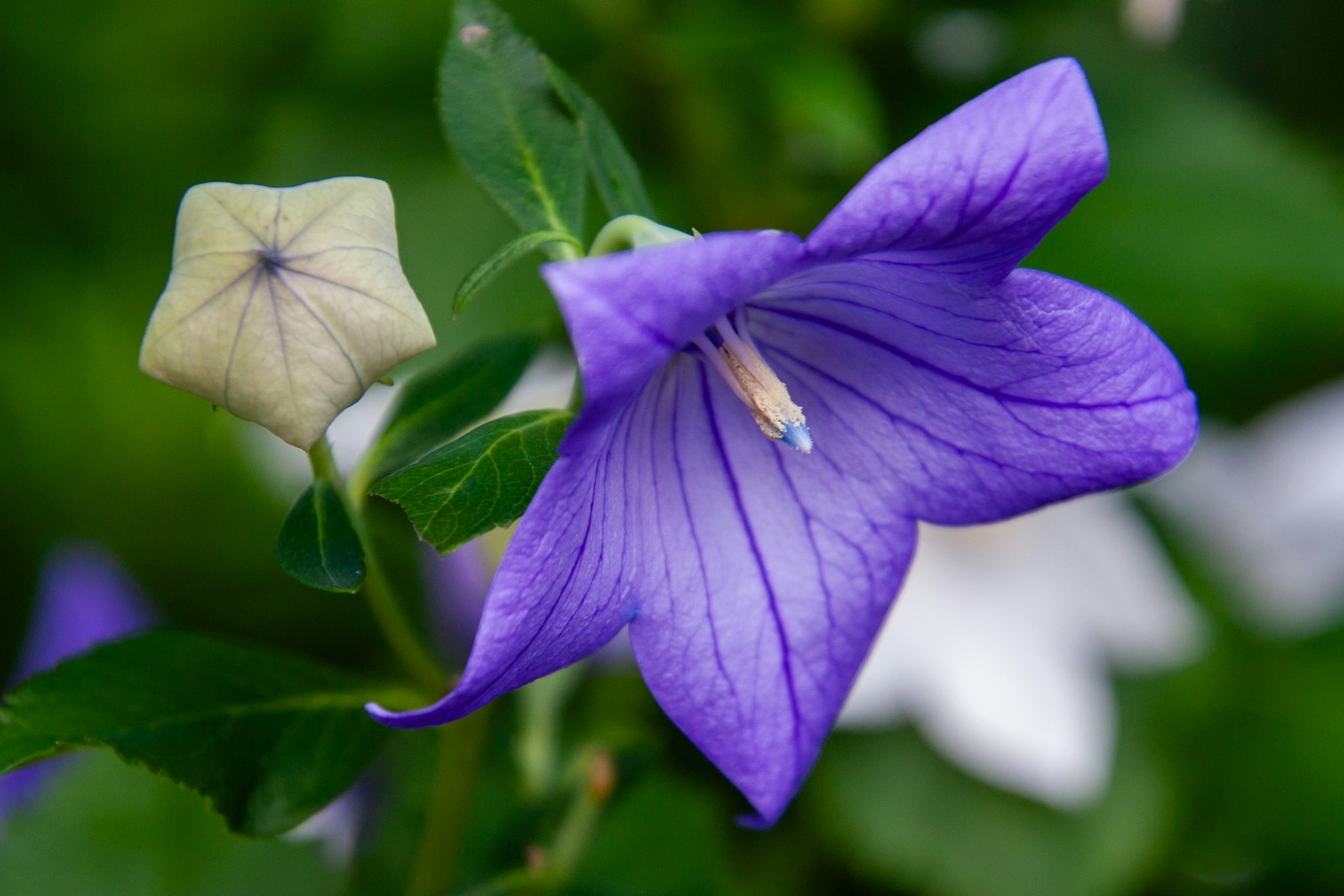
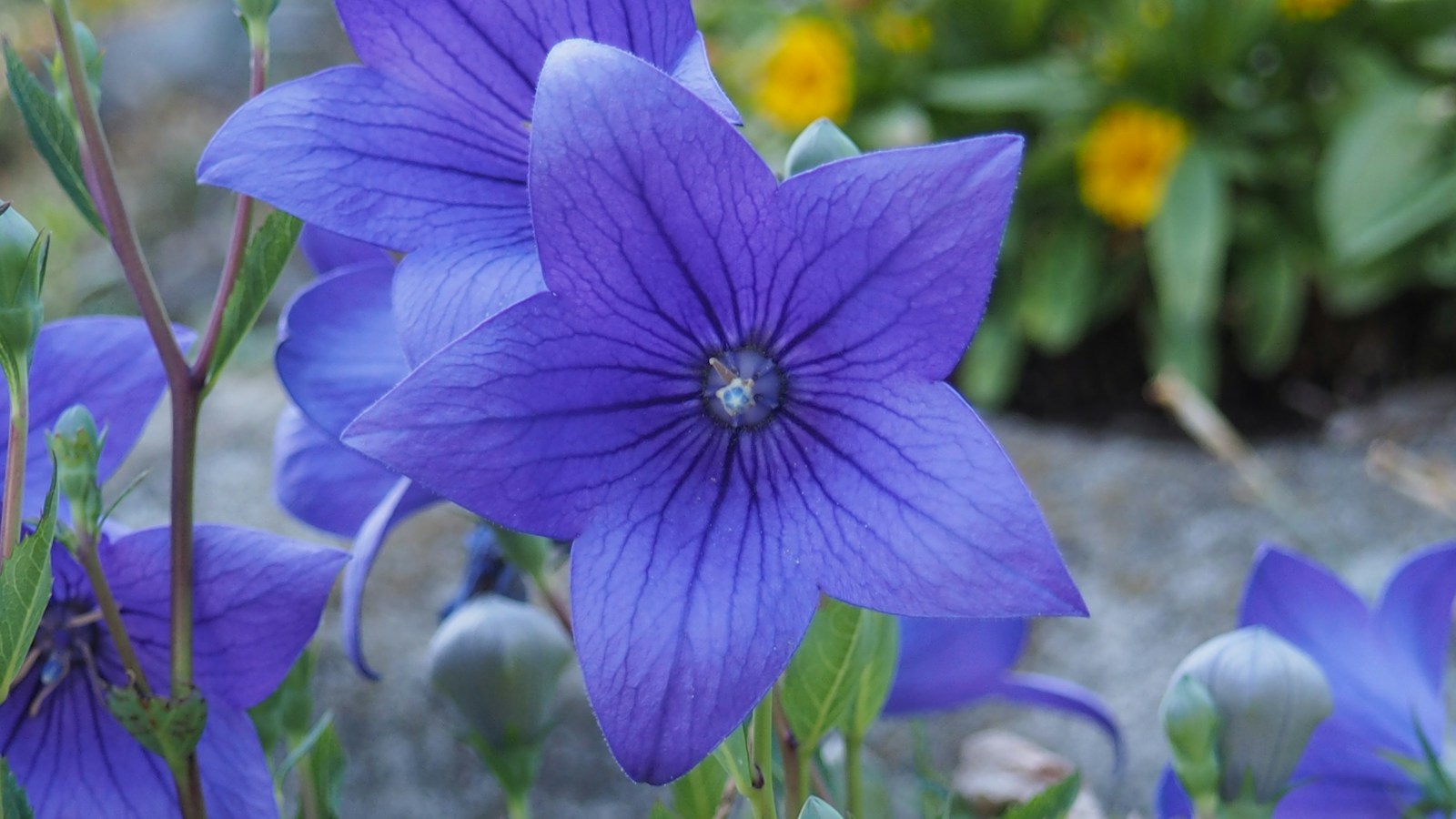
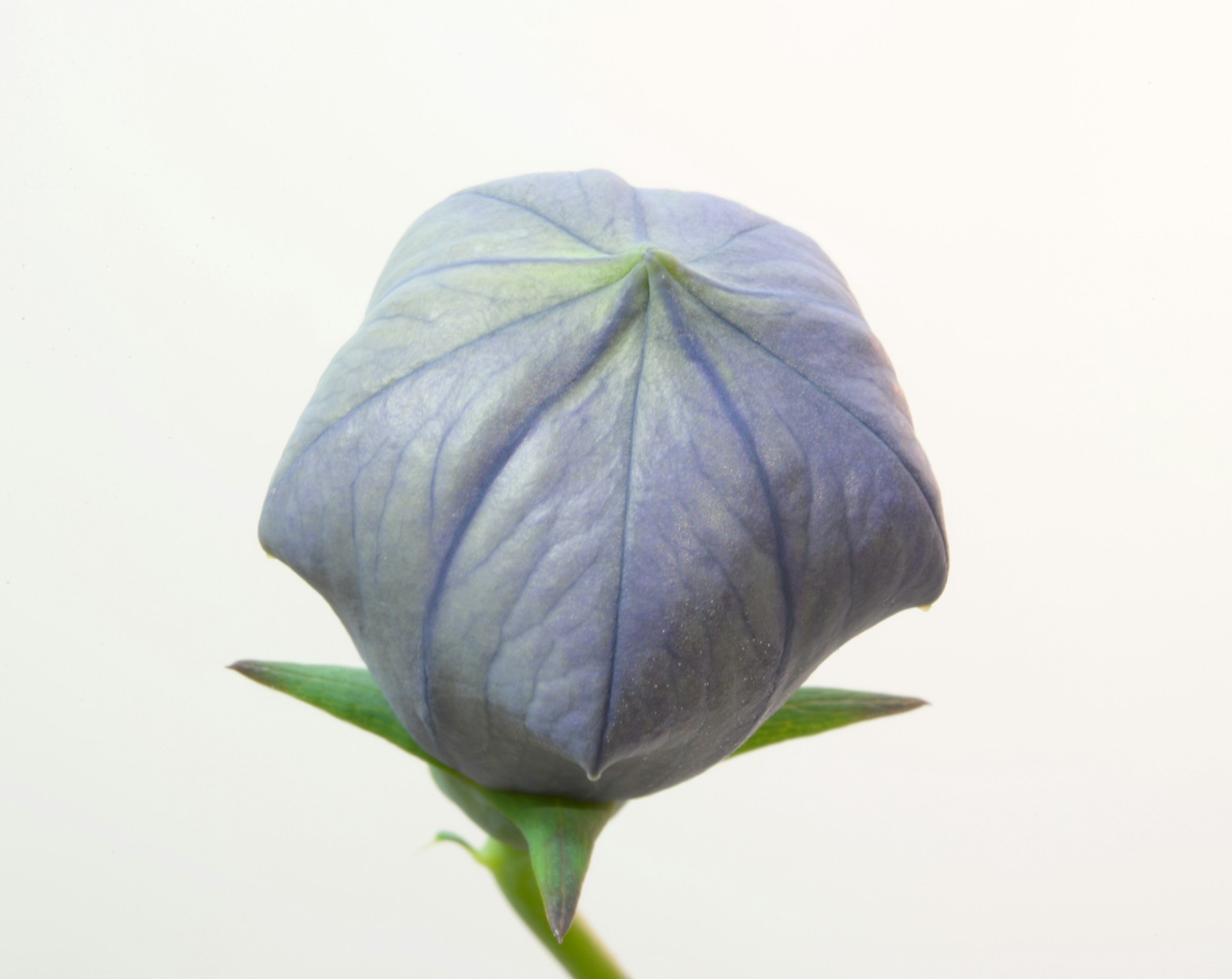
Balloon flower (Platycodon grandiflorus) is a hardy perennial grown for its unusual buds. Each bud swells into a hollow, five-sided balloon before it splits open into a wide star. Flowers come in violet-blue, white and soft pink, from midsummer into late summer. Plants are long-lived, rarely need dividing and attract bees. They are easy to grow once settled, with one quirk: they wake up very late in spring.
Sowing and planting
You can raise balloon flower from seed or buy young plants in pots. Seed is cheap and easy, but plants take a year or two to reach full size.
Sow indoors 8 to 10 weeks before your last frost. Press the tiny seed onto the surface of moist seed compost and do not cover it, because it needs light to germinate. Cover the tray with clear plastic to hold humidity and keep it at 65 to 70°F (18 to 21°C). Remove the cover once seedlings appear and grow them on in bright light.
Prick out seedlings into individual deep pots when they have two true leaves. True leaves are the ones that look like the adult foliage. Harden them off (get them used to outdoor conditions over a week or so) and plant out after your last frost.
You can also sow outdoors. Scatter seed on raked, weed-free soil in spring once the soil reaches about 60°F (16°C), or sow in late autumn in cold zones and let winter chill do its work. Keep the surface moist until seedlings are growing well.
Balloon flower grows a thick, fleshy taproot (a deep carrot-like main root). This makes it drought tolerant, but it also means it dislikes being moved. Choose a permanent spot before you plant.
Plant potted perennials in spring or early autumn, at least six weeks before your first frost. Set the crown (the point where shoots meet roots) level with the soil surface. Space plants 12 to 18 inches (30 to 45 cm) apart, closer for dwarf types.
Good drainage matters more than rich soil. On heavy clay, plant on a slight mound or in a raised bed. Wet winter soil rots the fleshy roots faster than cold does.
Growing on
Water young plants weekly through their first summer so the roots establish. After that, water only in long dry spells. Soak the soil deeply, then let the top few inches dry out before watering again.
Balloon flower needs little feeding. Spread a thin layer of compost around the plants each spring once shoots appear. Too much fertiliser makes soft, floppy stems.
Mulch lightly with shredded bark or leaf mould to keep roots cool and hold moisture. Keep mulch a few inches away from the crown to prevent rot.
Tall varieties tend to lean, especially in rich soil or part shade. Push in grow-through supports or twiggy sticks in spring while shoots are still short. The stems then grow up through them and hide the support.
To get shorter, sturdier plants, cut stems back by about half in late spring, when they reach about 6 inches (15 cm) tall. This is called pinching. It delays flowering by a couple of weeks but usually removes the need for staking.
Deadhead regularly to keep new flowers coming. Snip off each faded flower individually, leaving the buds on the same stem to open. Once a whole stem has finished, cut it back to a leaf joint.
Bees visit the open flowers freely. The blue and violet tones pair well with yellow daylilies, coreopsis and ornamental grasses.
In autumn the leaves often turn a clear yellow before dying back. Cut the dead stems to 2 inches (5 cm) above the ground once they have browned. Leave these stubs as a marker for the crown.
Established plants seldom need dividing. If you want more plants, sowing seed is far easier than splitting the deep roots.
Harvesting
Balloon flower makes a good cut flower. Cut stems when two or three flowers are open and several buds are fully inflated. Buds still green and tight rarely open in a vase.
The stems ooze a milky sap when cut. Sear the cut ends briefly in a flame or dip them in very hot water for a few seconds. This seals the stem and helps the flowers last longer. Take care with flames and boiling water, and keep children well away. Then stand the stems in cool water.
Cut in the cool of early morning. Strip any leaves that would sit below the waterline. Cut flowers usually last up to a week.
To save seed, leave a few flowers to fade on the plant. The seed pods turn brown and dry and begin to open at the top in late summer or autumn. Cut them into a paper bag, shake out the small, shiny black seed and dry it for a week. Store it in a labelled paper envelope somewhere cool and dry. Seed from mixed colours may not come true.
Problems and pests
Holes in young shoots or shoots vanish overnight
Slugs and snails love the tender new growth in spring. Go out after dark with a torch and hand-pick them. Surround plants with a ring of grit, or use slug pellets based on ferric phosphate. Follow the label and keep pellets away from pets.
Plant never reappears in spring
The most common cause is accidental damage. Balloon flower emerges late, so it is easy to dig into the crown or plant over it. The other cause is root rot from waterlogged winter soil. Mark the spot in autumn and improve drainage when replanting.
Stems flop open in the middle
Rich soil, too much shade or too much feeding all produce weak stems. Grow plants in full sun, feed lightly and pinch the stems back in late spring. Use supports for tall varieties.
Pale, speckled leaves with fine webbing
Spider mites (tiny sap-sucking pests) thrive in hot, dry weather. Hose the undersides of the leaves regularly during heat waves. For bad attacks, use insecticidal soap, following the label. Spray in the evening when bees are not active and wear gloves.
Mark the spot. Balloon flower is one of the last perennials to wake up. Shoots often appear weeks after other plants are growing. Put a label or stake by each plant in autumn so you do not dig it up or plant on top of it.
Varieties worth growing
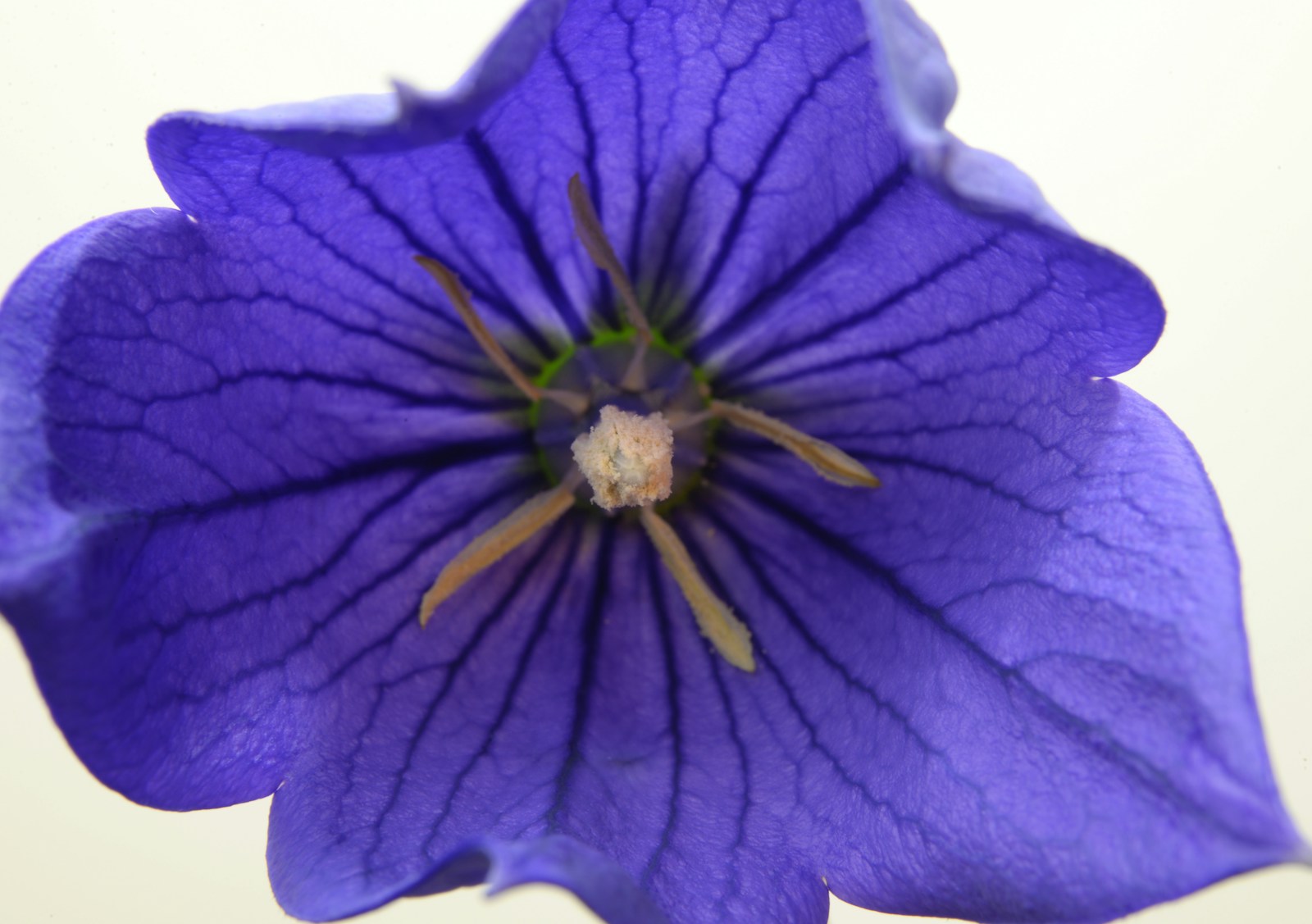
- 'Sentimental Blue': a dwarf blue variety about 10 inches (25 cm) tall, ideal for edges and pots.
- 'Fuji Blue': a tall, classic violet-blue variety good for borders and cutting.
- 'Fuji White': the white partner in the tall Fuji series.
- 'Fuji Pink': soft pink flowers on tall stems, best in light afternoon shade to hold colour.
- 'Hakone Double Blue': double, layered blue flowers on medium-height stems.
- 'Mariesii': a compact, sturdy blue form that rarely needs staking.