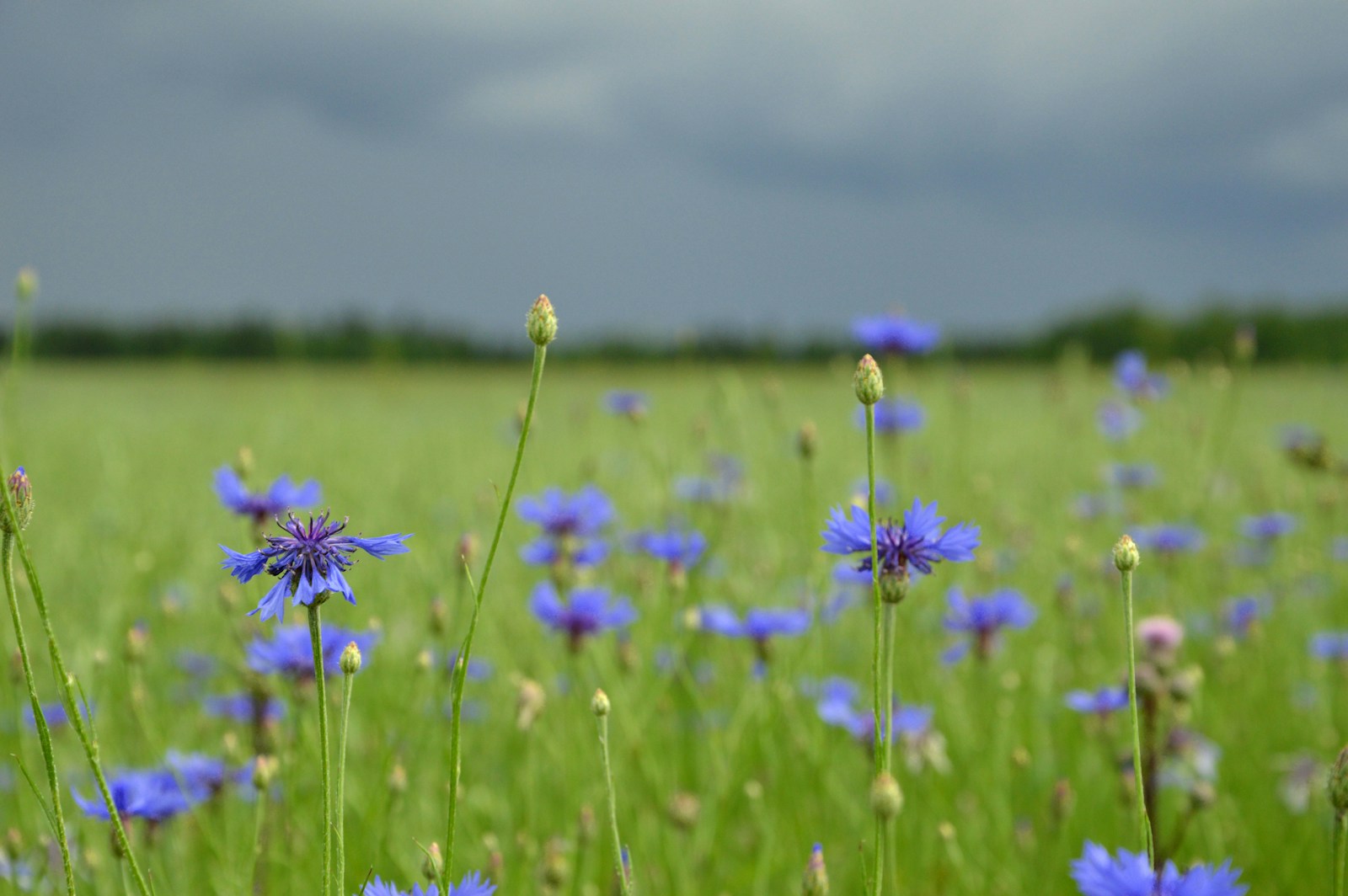
Bachelor button, also called cornflower (Centaurea cyanus), is a quick, hardy annual with ragged, button-like flowers. The classic colour is an intense true blue, a shade few garden flowers match. Newer strains add white, pink, maroon and near-black. It thrives in poor soil, needs little care and feeds bees all summer. The flowers also last well in a vase and are edible as a garnish.
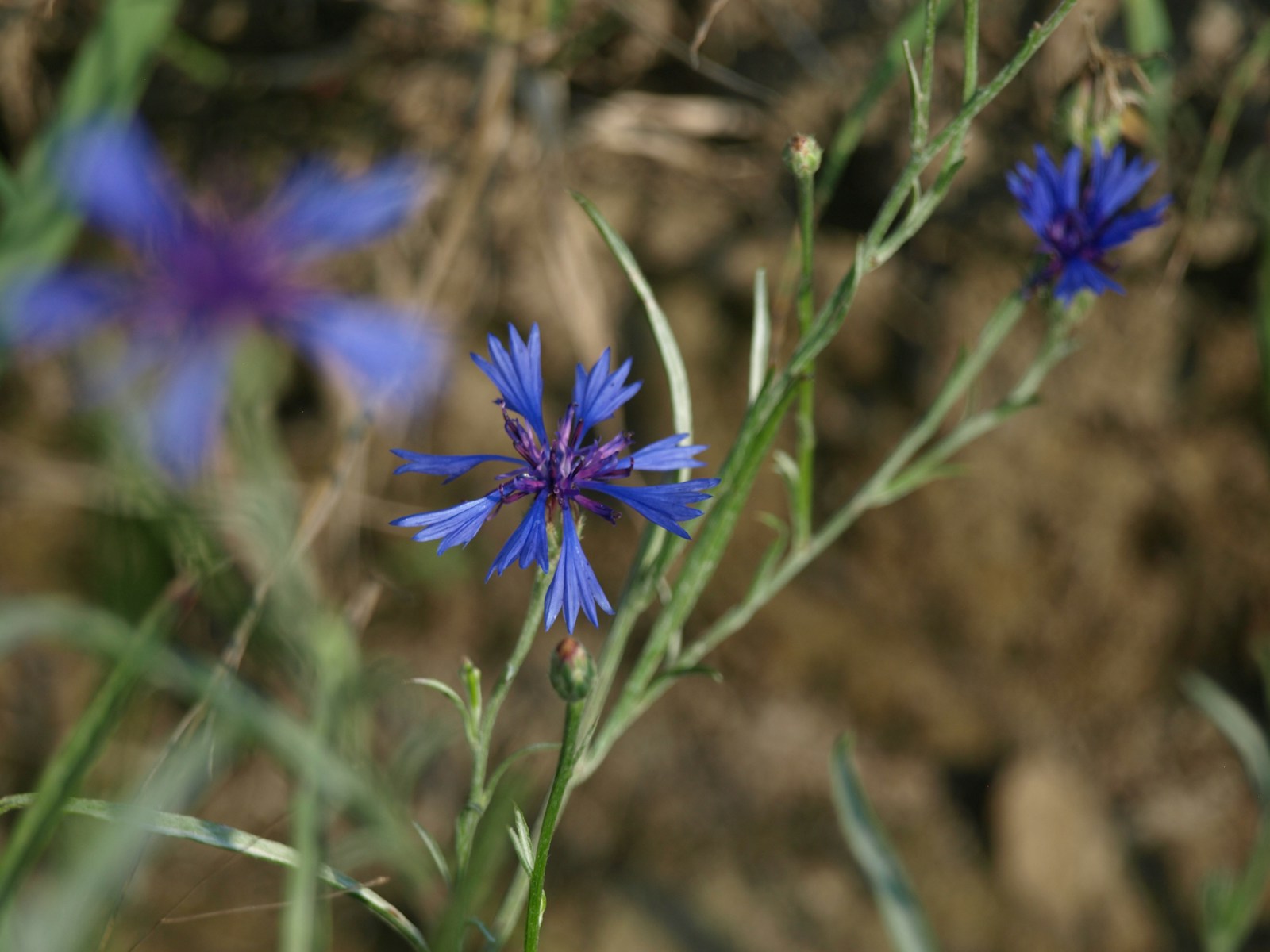
Sowing and planting
Bachelor buttons prefer to be sown where they will flower. They form a taproot (a single deep main root) and often sulk after transplanting. Direct sowing gives sturdier plants with less effort.
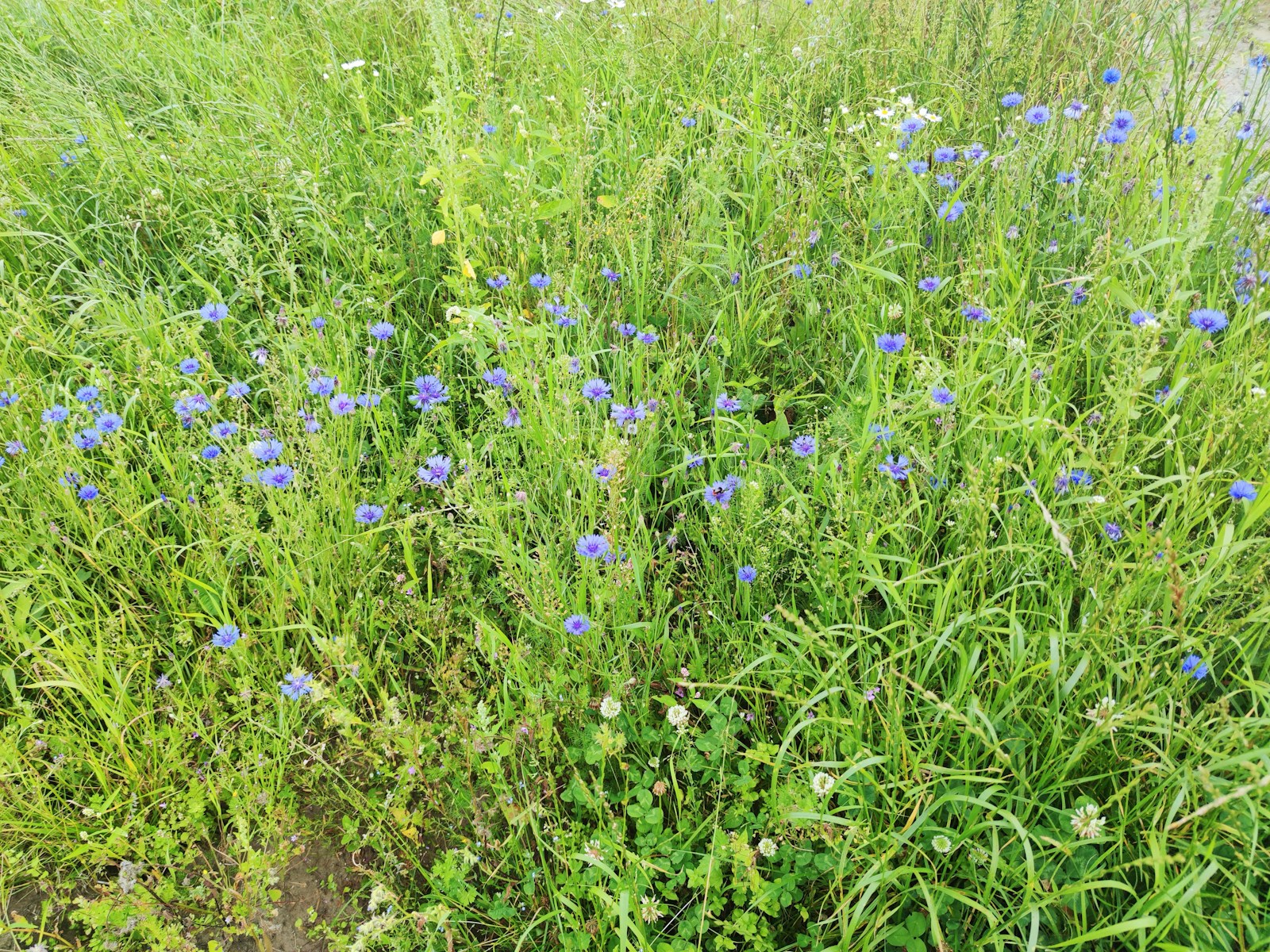
In most gardens, sow outdoors two to four weeks before your last frost. The seedlings shrug off light frosts, so you do not need to wait for warm weather. The soil only needs to be workable and around 60°F (16°C) for good germination.
In USDA zones 7 and warmer, you can also sow in autumn, about four to six weeks before your first frost. The plants overwinter as low rosettes (flat clusters of leaves) and flower earlier and taller the following spring.
To sow, rake the bed to a fine surface and remove weeds. Sprinkle seed thinly, then cover it with 1/4 inch (6 mm) of soil. The seed germinates best in the dark, so do not leave it on the surface. Firm gently and keep the soil evenly moist until seedlings appear.
Thin seedlings to 8 to 12 inches (20 to 30 cm) apart once they have two true leaves. True leaves are the ones that look like the adult foliage, not the first seed leaves. Dwarf varieties can sit at the closer end of that range.
If you want to start indoors, sow four to six weeks before your last frost. Use cell trays or small biodegradable pots so the root is not disturbed. Harden off the seedlings (get them used to outdoor conditions over a week) before planting out around your last frost date.
For a longer display, make succession sowings every two to three weeks until early summer. Bachelor buttons tend to fade in hot weather, so late sowings are best saved for autumn in mild areas.
Growing on
Water seedlings regularly until they are growing strongly. After that, established plants cope well with dry spells. Water deeply once a week in long droughts, aiming at the soil rather than the leaves.
Go easy on feeding. Heavy compost or high-nitrogen fertiliser produces lush, soft stems that flop and fewer flowers. A bed of ordinary garden soil is usually all they need. On very poor sand, work in a little compost before sowing.
A thin layer of mulch, such as shredded leaves or straw, helps keep roots cool and suppresses weeds. Keep it away from the stems of young plants to prevent rot.
Tall varieties can lean after rain or wind. Grow them in blocks so they support each other, or push twiggy sticks into the bed while plants are still small. A horizontal net of string or mesh about 18 inches (45 cm) above the soil also works well for cutting rows.
Pinching (nipping out the growing tip) is optional. Pinch young plants above the fourth or fifth pair of leaves when they reach about 6 inches (15 cm). This gives bushier plants with more, slightly shorter stems.
Deadhead regularly by cutting spent flowers back to a side shoot or bud. This keeps new flowers coming for weeks. Once plants start to set seed, flowering slows quickly.
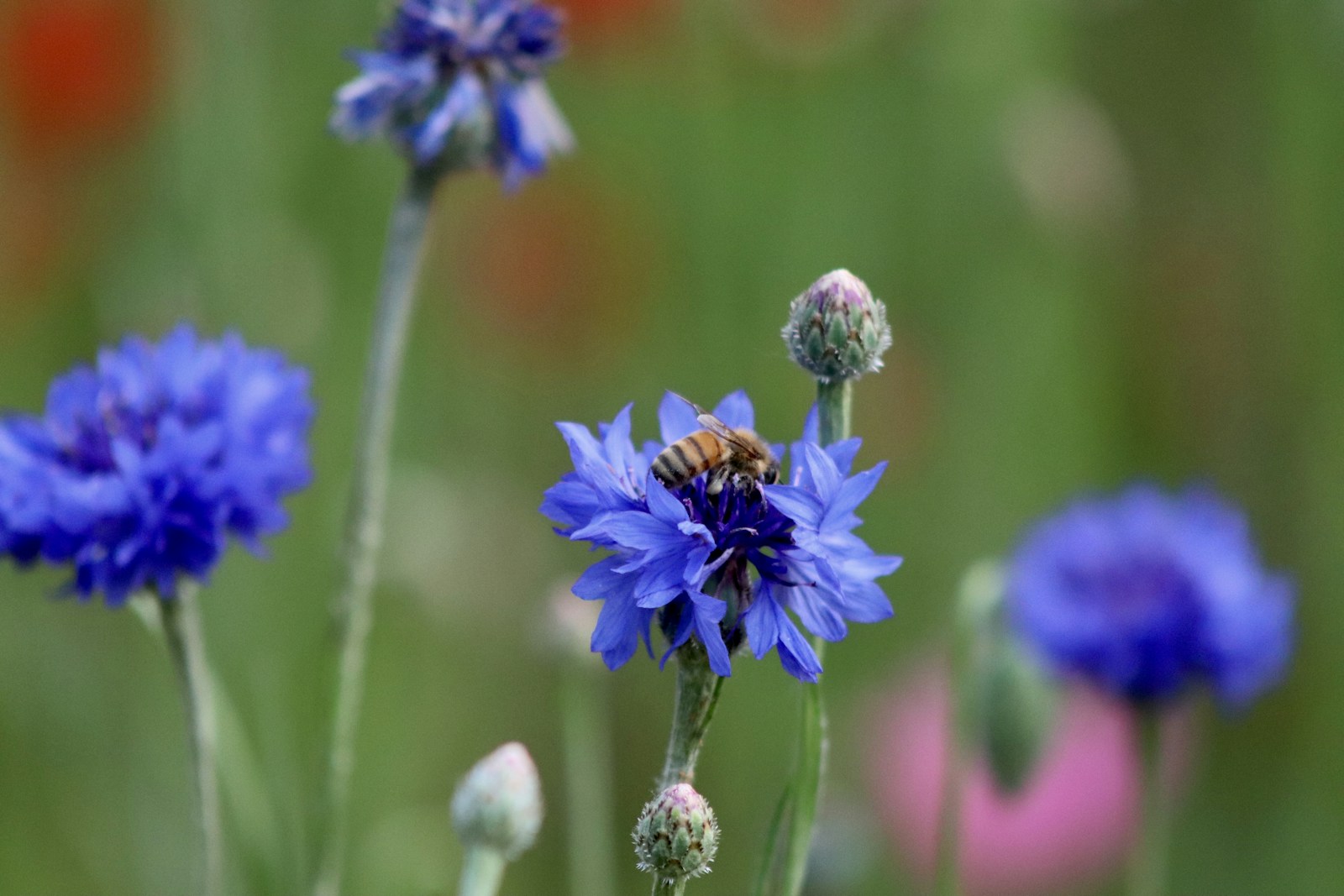
Bachelor buttons are excellent pollinator plants. Bees and hoverflies visit the open centres, and goldfinches eat the seed later. They pair well with poppies, calendula and other cool-season annuals in a meadow-style planting.
Plants often look tired by midsummer in hot climates. Pull them out once flowering drops off and sow a replacement crop or another flower in the space.
Harvesting
For vases, cut stems when the flowers are about one-third to half open. Tight buds rarely open once cut, and fully open flowers shed petals sooner. Cut in the cool of the morning with clean, sharp scissors or snips.
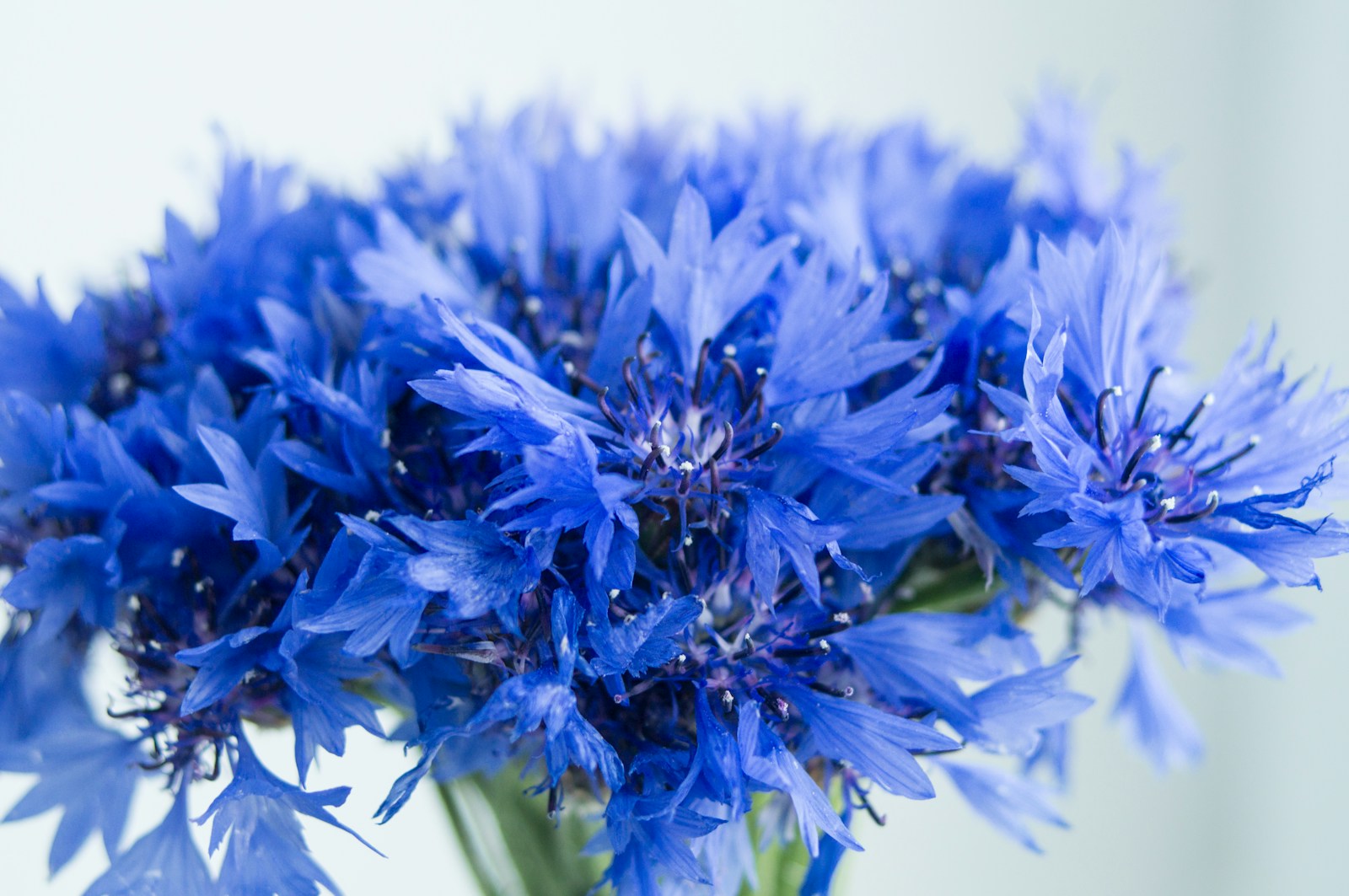
Cut long stems back to a leaf joint, where new side shoots will form. Strip leaves that would sit below the waterline and stand the stems in cool water straight away. Cut flowers usually last about a week.
Bachelor buttons dry well. Cut fully open flowers, strip the leaves and hang small bunches upside down in a dark, airy place. You can also pick individual flower heads and dry them flat on a screen.
The petals are edible. Pull them from fresh, unsprayed flowers and scatter them over salads or cakes. Only use flowers you have grown without chemical sprays.
To save seed, leave a few of the best flowers on the plant. Wait until the heads turn brown and dry and the seeds show a small tuft of bristles. Cut the heads into a paper bag, rub out the seed and let it dry for a week. Store it in a paper envelope somewhere cool and dry. Plants self-seed readily, so you may also find volunteers the following year. Colours from mixed plantings will not come true.
Problems and pests
Leaves covered in white, powdery patches
This is powdery mildew, a fungal disease that appears in dry weather when plants are crowded. Space plants properly and water the soil rather than the foliage. Remove the worst leaves. Late in the season, pull out badly affected plants and bin them.
Clusters of small insects on stems and buds
These are aphids, sap-sucking insects that distort new growth. Rub them off by hand or knock them away with a strong jet of water. Ladybirds and hoverfly larvae usually bring them under control. If you use insecticidal soap, follow the label, spray in the evening when bees are not active, and wear gloves.
Rusty orange spots under the leaves
Rust is a fungal disease that spreads in humid weather. Pick off and bin affected leaves, not compost them. Improve air flow by thinning plants and avoid wetting the foliage.
Stems flop over or snap
Rich soil, too much feeding or too much shade make stems weak. Grow in full sun in lean soil, give tall varieties support early, and sow in blocks rather than single rows.
Seedlings collapse at soil level
This is damping off, a fungal problem of cold, wet soil. Sow thinly into free-draining soil and avoid overwatering. Indoors, use fresh seed compost and clean trays, and give seedlings good air circulation.
Sow early. Bachelor buttons are cool-season flowers. Sown late into warm soil, they bloom briefly, go to seed and die back in summer heat. Get seed in before your last frost, or in autumn in mild zones.
Varieties worth growing
- 'Blue Boy': the classic tall, double true-blue cornflower, excellent for cutting.
- 'Black Ball': tall stems with deep maroon, almost black flowers.
- 'Blue Diadem': large double blue flowers on tall, sturdy stems.
- 'Polka Dot': a dwarf mix in blue, pink, white and maroon for edging and containers.
- 'Jubilee Gem': a compact, bushy blue variety suited to borders and pots.