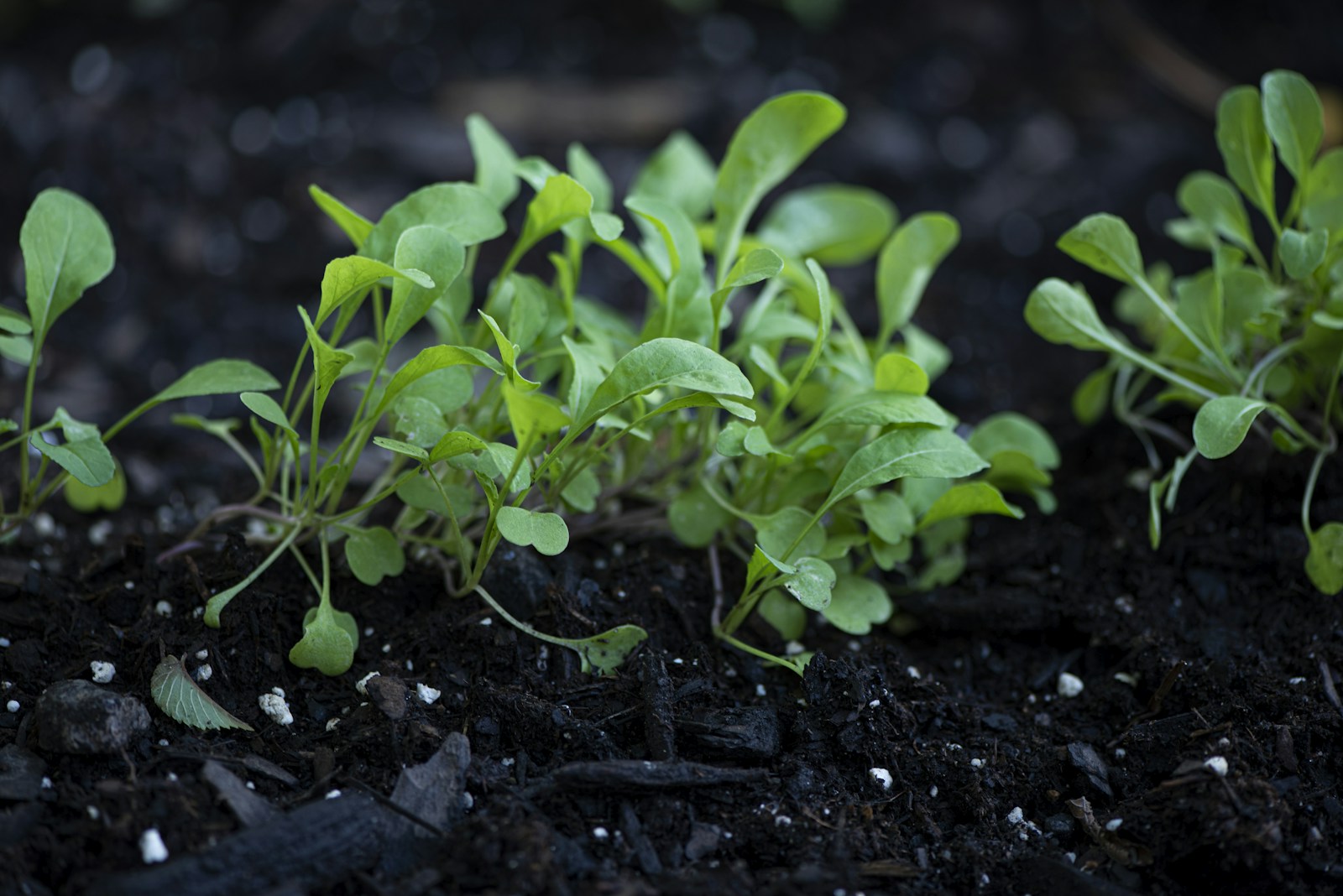
Arugula, also called rocket or roquette, is a fast leafy green with a nutty, peppery bite. It is one of the quickest crops you can grow. Baby leaves are often ready within a month of sowing. It thrives in cool weather, fits in pots and gaps between slower crops, and self-seeds happily. Difficulty: easy, as long as you avoid the heat of summer.
Sowing and planting
Arugula grows best in the cool, bright days of spring and autumn. It germinates in cold soil, often within 5 to 10 days.
Spring sowing. Sow outdoors 3 to 4 weeks before your last frost, as soon as you can work the soil. Seedlings shrug off light frost. Keep sowing until the weather turns reliably hot.
Autumn sowing. Start again as summer heat breaks, about 6 to 8 weeks before your first frost. Autumn crops are often the best of the year, because plants mature into cooling weather and bolt less. In USDA zones 8 to 10, arugula grows right through the mild winter.
How to sow. Sow thinly in rows or scatter seed across a wide band. Cover with 1/4 inch (6 mm) of fine soil and keep the surface moist. For baby leaves, leave the seedlings about 1 inch (2.5 cm) apart. For larger plants, thin to 4 to 6 inches (10 to 15 cm). The thinnings are good to eat.
Succession sowing. A single sowing crops for only a few weeks. Sow a short row every 2 to 3 weeks for a steady supply.
Indoors and in containers. Arugula rarely needs starting indoors. It grows well in window boxes and pots at least 6 inches (15 cm) deep. In winter, a sunny windowsill or a cold frame keeps a small supply coming.
Wild arugula. It is slower to germinate and grow. Sow it the same way, or start it in cell trays and transplant at 8 to 10 inches (20 to 25 cm) apart. Give it a permanent spot, since it returns for several years in mild zones.
Growing on
Watering. Steady moisture keeps leaves tender and mild. Dry soil makes arugula hotter, tougher and quicker to flower. Water at the base, and water pots often, as they dry fast.
Feeding. Work compost into the bed before sowing. That is usually enough for a quick crop. For repeated cutting, water with a diluted liquid seaweed or fish-based feed every 2 to 3 weeks.
Mulching. A thin mulch of fine compost or chopped straw between rows keeps the soil cool and moist. It also keeps grit off the leaves.
Shade and heat. As days lengthen and warm, arugula runs to seed. This is called bolting (sending up a flowering stem). Shade cloth or taller neighbouring crops buy you extra weeks. In summer, sow on the shady side of tomatoes or beans.
Companions. It fits between slow crops such as brassicas, onions and carrots. It is out of the way before they need the space.
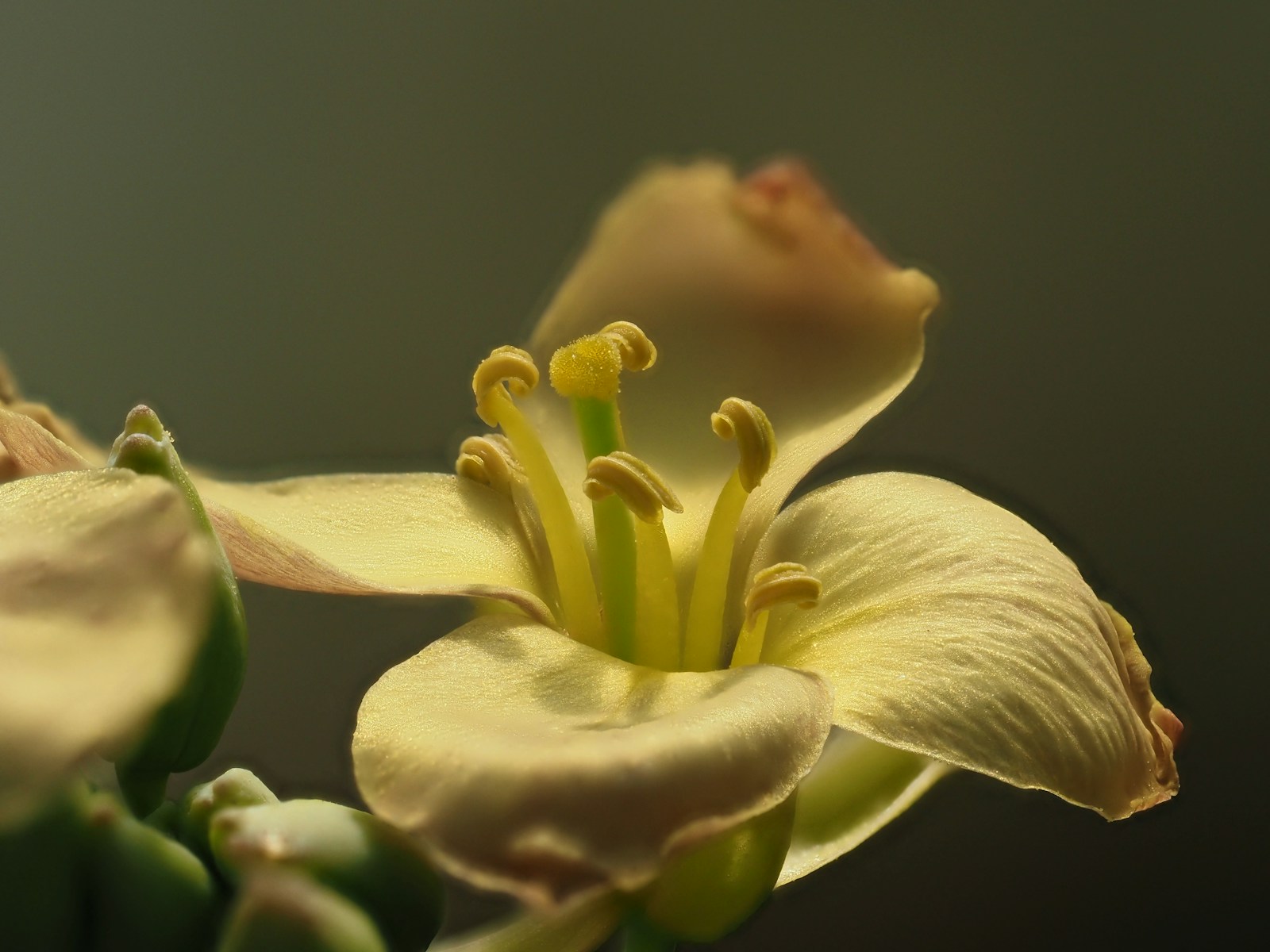
Flowers. Salad arugula flowers are creamy white with purple veins. Wild arugula has bright yellow flowers. Both are edible, with a mild peppery taste, and both draw bees and hoverflies.
Heat and long days are the most common reason arugula fails. Plants bolt within days, and the leaves turn hot and bitter. Sow in cool weather, keep the soil moist, and give summer sowings afternoon shade.
Harvesting
Start picking once leaves are 2 to 4 inches (5 to 10 cm) long. Young leaves are the mildest.
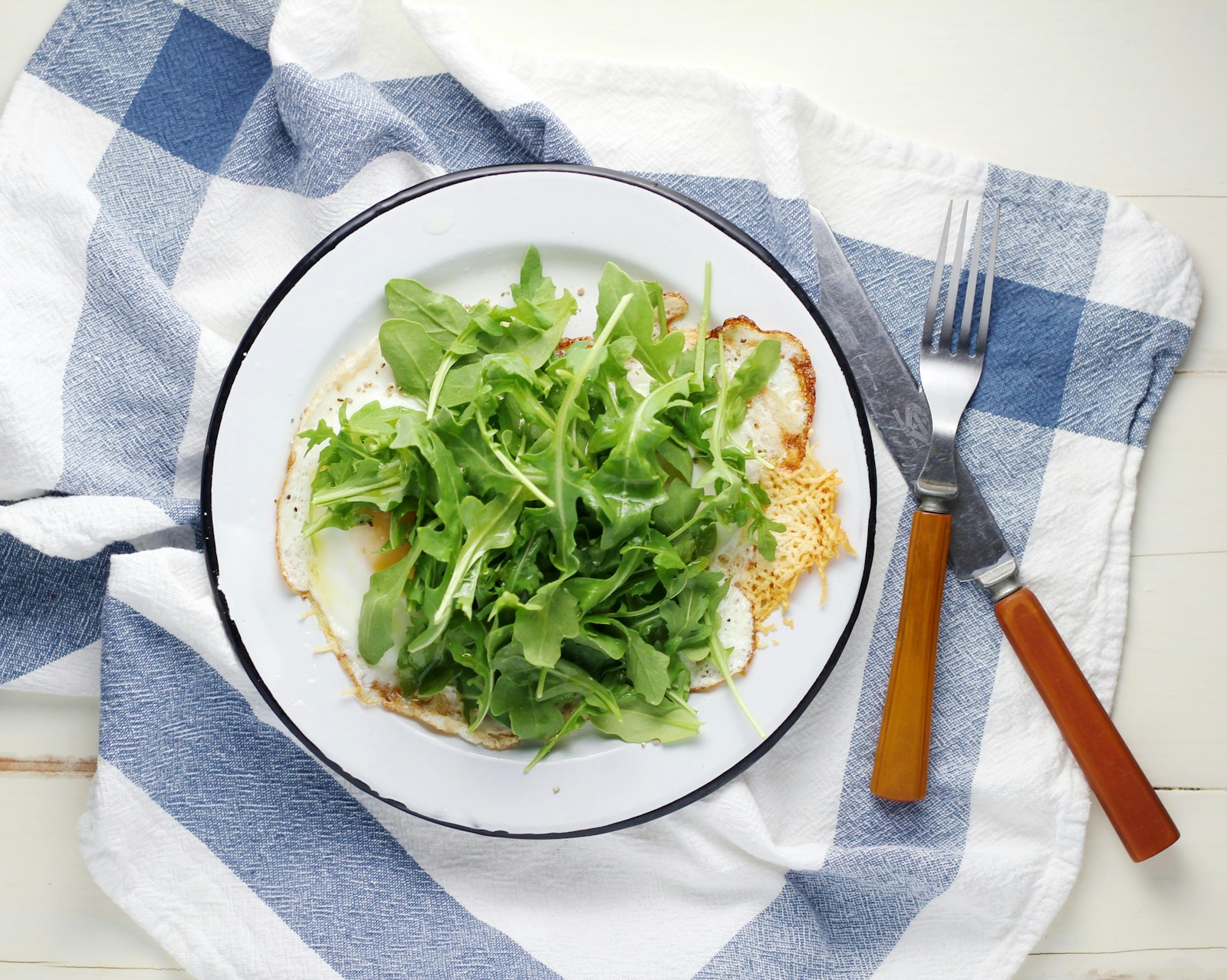
Cut-and-come-again. Snip the whole patch 1 inch (2.5 cm) above the soil with scissors. Leave the growing point intact and it regrows for two or three more cuts.
Leaf by leaf. Pick the outer leaves from larger plants and let the centre keep growing.
Once bolting starts, the leaves quickly toughen and turn fiery. Pull most plants and resow. Leave a few to flower for the bees and for seed.
Storage. Pick in the cool of the morning. Rinse, spin dry and store in a bag or box lined with paper towel in the refrigerator. It usually keeps for 3 to 5 days.
Saving seed. Arugula is easy to save. Let a few strong plants flower and set slim pods. Once the pods turn tan and dry, cut the stems and hang them in a paper bag. The seed drops out as the pods split. Store it cool and dry. Separate varieties of the same species cross, so grow only one if you save seed.
Problems and pests
Leaves peppered with tiny round holes
Flea beetles are tiny jumping beetles that chew pinholes. They are worst in warm, dry spells. Cover sowings with fine insect mesh or floating row cover straight away. Tuck the edges down well. Keep the soil moist, as the beetles prefer dry conditions.
Plants flower early with tough, bitter leaves
This is bolting, triggered by heat, long days or dry soil. Sow earlier in spring or later in summer. Water steadily and give afternoon shade. Choose a slow-bolting variety for warmer sowings.
Green caterpillars and ragged leaves
Cabbage white caterpillars and other brassica caterpillars feed on the leaves. Keep the crop under fine mesh, pick off caterpillars and check the undersides of leaves for eggs.
Yellow patches with grey fuzz beneath
Downy mildew appears in cool, damp, crowded conditions. Thin plants for better airflow and water in the morning at soil level. Remove affected leaves. Do not grow brassicas in the same spot every year.
Seedlings vanish overnight
Slugs and snails love tender seedlings. Check by torchlight and remove them by hand. Keep the edges of the bed tidy. Use iron phosphate bait if needed, sprinkled thinly and kept away from children and pets.
Varieties worth growing
Salad arugula (Eruca vesicaria subsp. sativa)
Broad, soft, lobed leaves, fast from seed, and quick to bolt in heat.
- 'Astro': smoother, less lobed leaves with a milder flavour; handles warmth better than most.
- 'Apollo': large, rounded, oak-shaped leaves; a good choice for baby-leaf cutting.
- 'Roquette': the traditional, widely sold salad arugula with a classic peppery flavour.
Wild arugula (Diplotaxis tenuifolia)
Narrow, deeply cut leaves with a sharper flavour. Slower to start, but slower to bolt and perennial in mild zones.
- 'Sylvetta': a classic wild type with finely cut leaves and a strong peppery bite.
- 'Olive Leaf': narrow, smooth-edged leaves that resemble an olive leaf; slow to bolt.