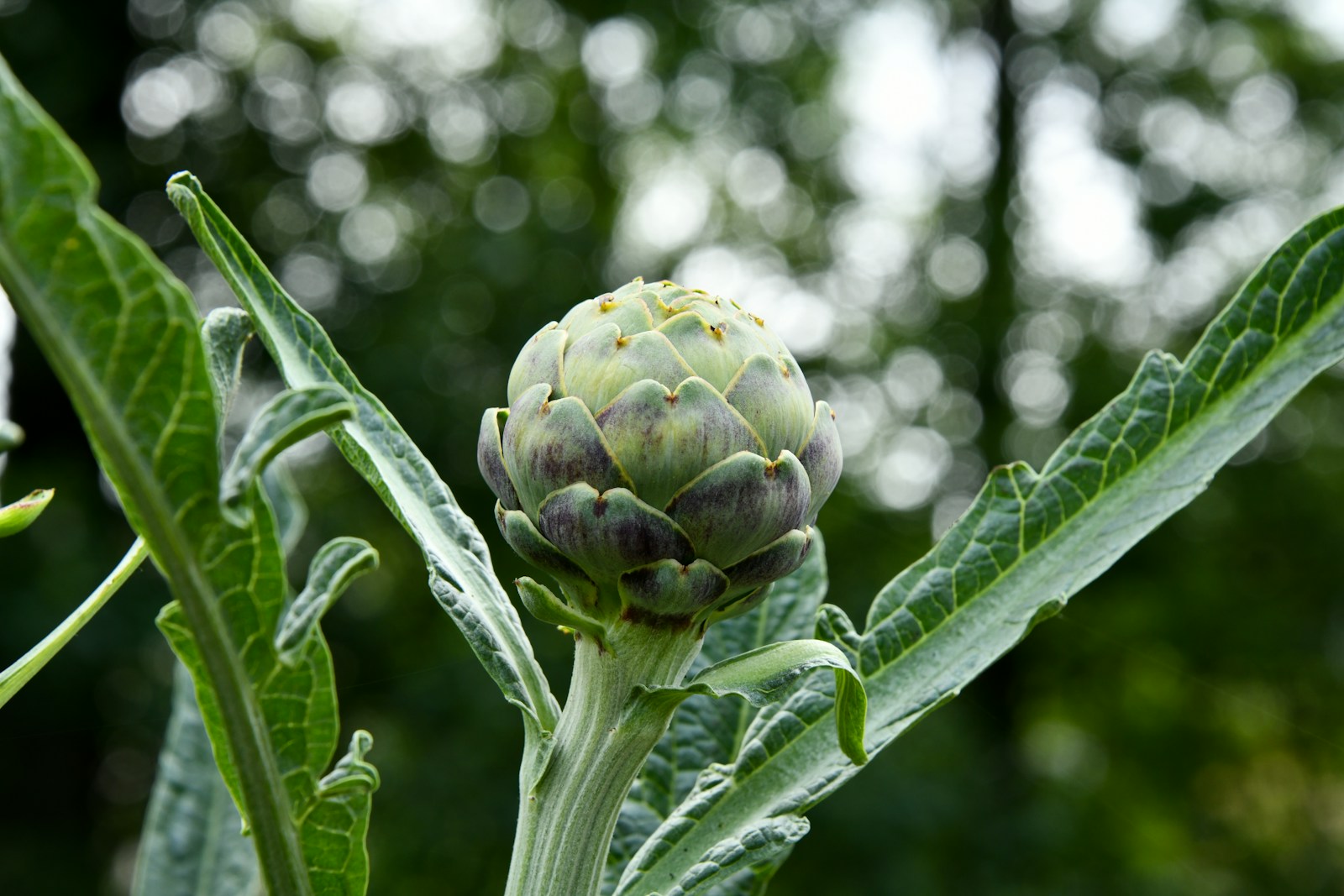
The globe artichoke is a giant silver-leaved thistle grown for its fat flower buds. It makes a striking plant in a vegetable bed or a border, and home-grown buds are far more tender than shop ones. In mild winters it is a long-lived perennial. Elsewhere you grow it as an annual, which takes a little planning. Difficulty: moderate, mainly because of timing and winter care.
Sowing and planting
Artichokes only form buds after a period of cold. Gardeners call this vernalization (a chilling spell that tells the plant to flower). Perennial plants get it naturally over winter. Annual plants need it as young transplants.
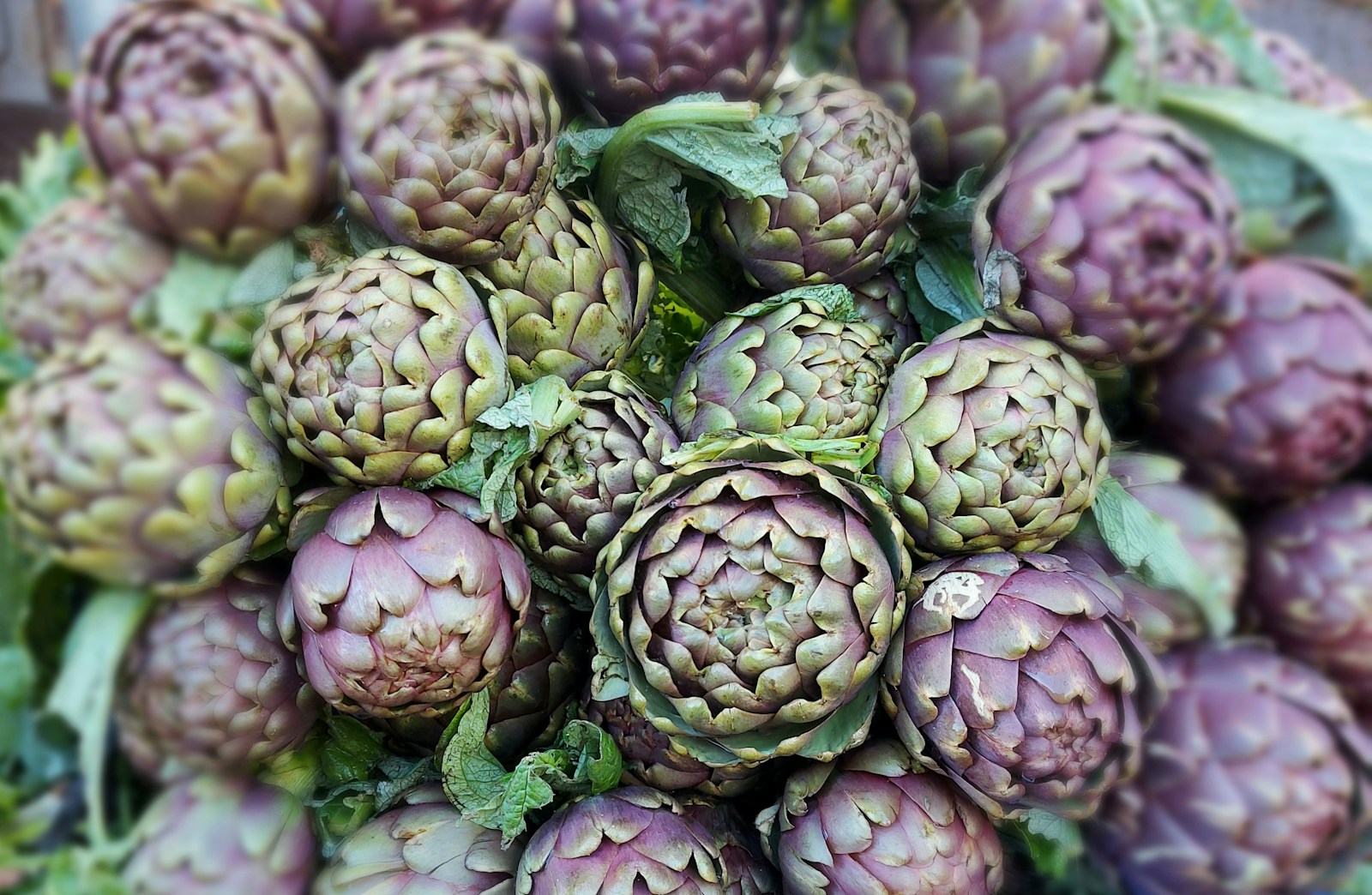
Growing as an annual (zones 3 to 7). Sow indoors 8 to 10 weeks before your last frost. Use a variety bred for annual growing. Sow two seeds per small pot, 1/4 inch (6 mm) deep. Keep the pots at 70 to 80°F (21 to 27°C). Seedlings usually appear in 10 to 20 days. Thin to the strongest one per pot.
Once the seedlings have four or five true leaves, start hardening off (getting them used to outdoor conditions). Aim for about 10 days of nights between 40 and 50°F (4 and 10°C). A sheltered porch or a cold frame works well. Bring the plants in if a hard frost threatens, since young plants take only a light frost. This cool spell gives them the chill they need to bud the same summer.
Plant out around your last frost date, once the worst cold has passed. Set each plant at the same depth it grew in the pot.
Growing as a perennial (zones 7 to 11). Start with seed as above, or buy young plants. The best route is an offshoot (a rooted side shoot cut from an established plant). Offshoots come true to the parent, while seed-grown plants vary. Plant offshoots in early spring in cooler areas, or in autumn in the mildest zones.
Preparing the bed. Artichokes stay put for years and grow large. Dig in plenty of compost or well-rotted manure before planting. Good drainage matters most, because the crowns rot in wet winter soil. On heavy clay, plant on a raised mound or in a raised bed.
Growing on
Watering. Water deeply and steadily, especially as buds form. Drought makes buds small, tough and quick to open. Soak the soil rather than wetting the leaves.
Feeding. Artichokes are hungry plants. Side-dress with compost when growth starts. Add a balanced organic fertilizer when the first buds appear. Perennial plants need a fresh layer of compost each spring.
Mulching. Spread 3 to 4 inches (8 to 10 cm) of straw, shredded leaves or compost around the plants. Mulch keeps the roots cool and moist and holds down weeds. Keep it a hand's width from the crown.
Support. Plants rarely need staking. In windy sites a single stake can steady a heavy bud stem.
Companions. Their size shades out small neighbours, so give them room. Low herbs and flowers can grow at the outer edge of their spread.
Winter care for perennials. After the last harvest, cut the stems to the ground. In zone 7 and the colder parts of zone 8, cut the leaves back to about 12 inches (30 cm). Mound the crown with 6 to 12 inches (15 to 30 cm) of straw or shredded leaves. Uncover it gradually in spring as the weather warms. Every three or four years, lift a few offshoots to renew the planting, as old crowns crop less well.
Letting some bloom. Any bud you leave opens into a vivid blue-violet thistle flower up to 6 inches (15 cm) across. Bees love it. The flowers also cut and dry well for arrangements.
Artichokes fail most often by never budding. Annual plants that miss their cool spell as young transplants usually stay leafy all summer and produce nothing. Sow on time and give them about 10 cool nights before planting out.
Harvesting
The first and largest bud forms at the top of the main stem. Smaller side buds follow lower down.
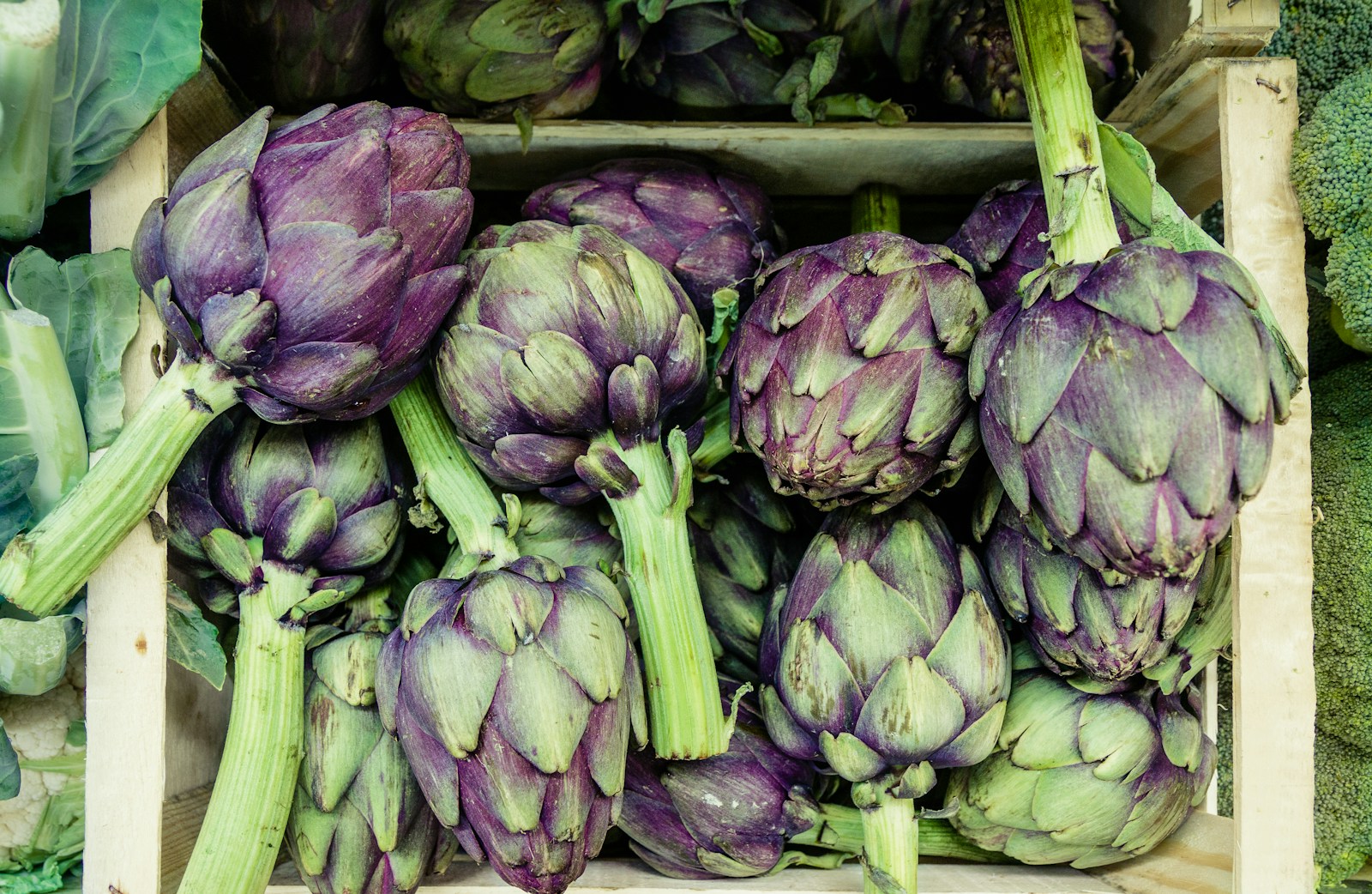
Cut buds when they are plump and tightly closed, before the scales (bracts) start to spread. Size is a poor guide, so go by tightness. Cut the stem 1 to 3 inches (2.5 to 8 cm) below the bud with a sharp knife or pruners. Take care, as some varieties carry small spines at the bract tips.
After you cut the main bud, side buds develop over the following weeks. Keep cutting them as they firm up. Once buds start opening faster than you can pick, let the rest flower.
Storage. Sprinkle buds with water and keep them in a plastic bag in the refrigerator. They usually keep for one to two weeks. Cook them whole, or trim them to the tender heart.
Saving seed. Seed saving is rarely worthwhile. Plants cross freely and seedlings vary a lot. Use offshoots to keep a plant you like.
Problems and pests
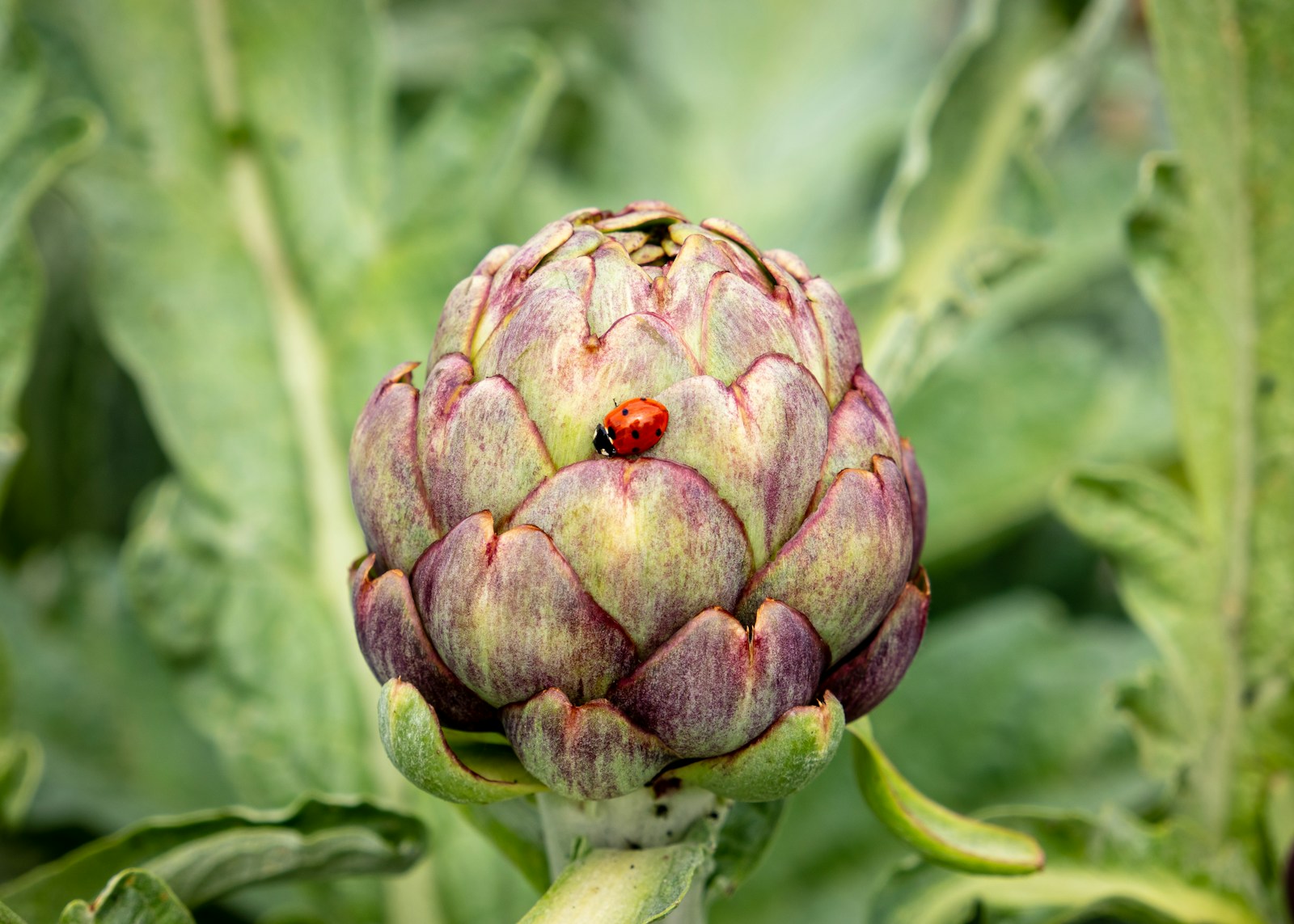
Leaves and bud stems crowded with small insects
Aphids cluster on young leaves and between bracts. Knock them off with a strong spray of water. Ladybirds and lacewings usually bring them under control. If numbers stay high, use insecticidal soap on the insects themselves. Wear gloves and follow the label.
Ragged holes in young leaves
Slugs and snails feed at night, especially on new plants. Remove them by hand after dark. Keep the ground around the crown clear of debris. Use iron phosphate bait if needed, sprinkled thinly and kept away from children and pets.
Holes and tunnels in buds and stems
The artichoke plume moth is a pest mainly in coastal California. Its larvae bore into buds and stems. Cut off and destroy damaged buds and old stems promptly. Clear all dead growth after harvest so the insects cannot overwinter.
Grey fuzzy mould on buds or leaves
Grey mould (Botrytis) strikes in cool, damp, crowded conditions. Remove affected parts, give plants more space, and water the soil rather than the foliage.
Plant collapses after winter
Crown rot sets in when roots sit in cold, wet soil. Improve drainage, plant on a mound, and never heap wet mulch against the crown.
Varieties worth growing
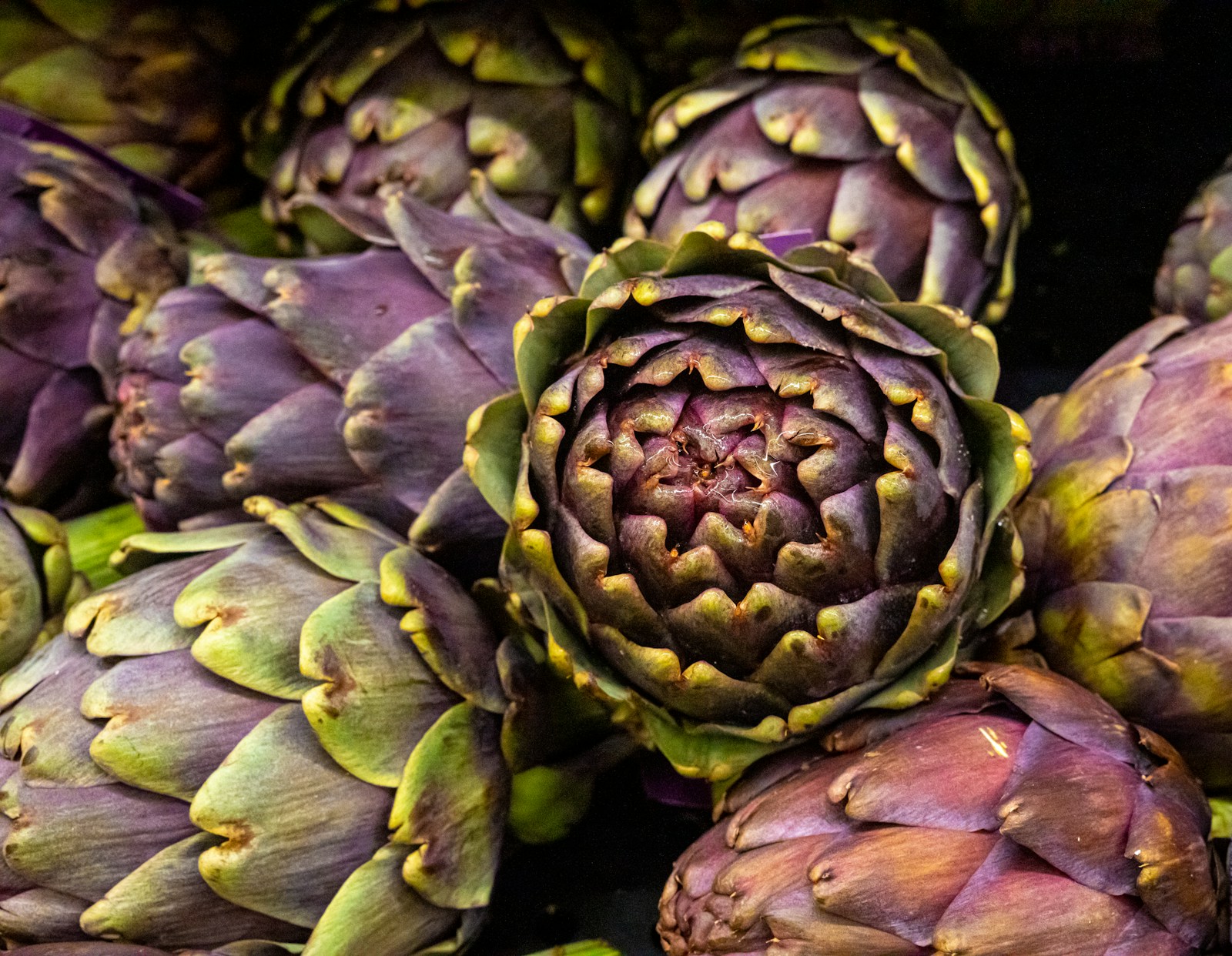
Annual types (for cold-winter gardens)
- 'Imperial Star': green, nearly spineless, bred to bud in its first year from seed.
- 'Tavor': purple-tinged buds, bred for annual growing and quick to crop.
- 'Colorado Star': attractive purple buds that also crop in the first year.
Perennial types (for mild-winter gardens)
- 'Green Globe': the classic large green artichoke, best as a perennial.
- 'Violetto': an Italian purple variety with slender, elongated buds.