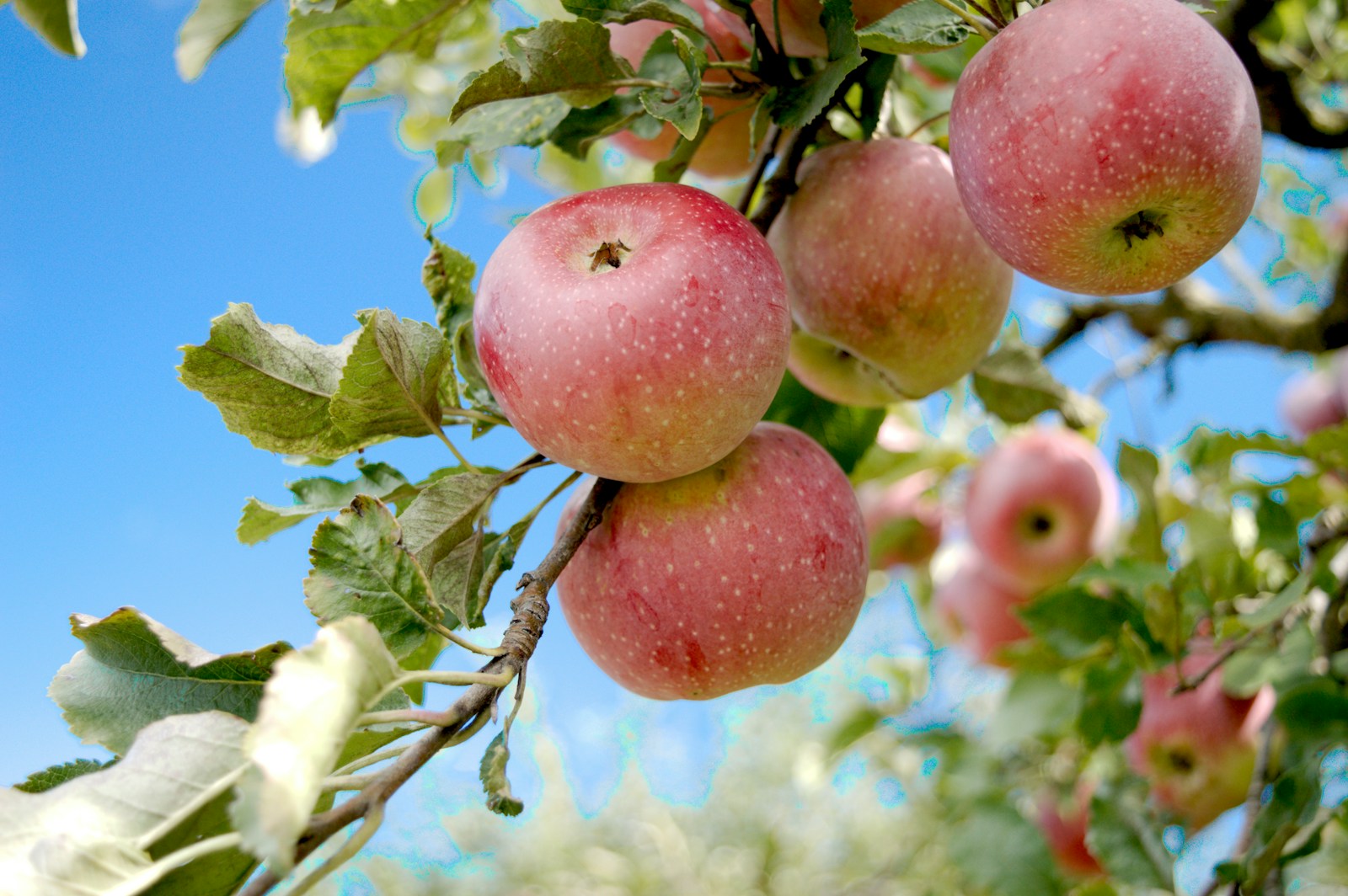
The apple (Malus domestica) is the classic backyard fruit tree of the eastern mountains and well beyond. A single tree can give you fruit for decades, plus a cloud of pink-white blossom every spring. It is not a plant-and-forget crop, though. Expect moderate difficulty: the tree is tough, but clean fruit takes yearly pruning, thinning and pest watching.
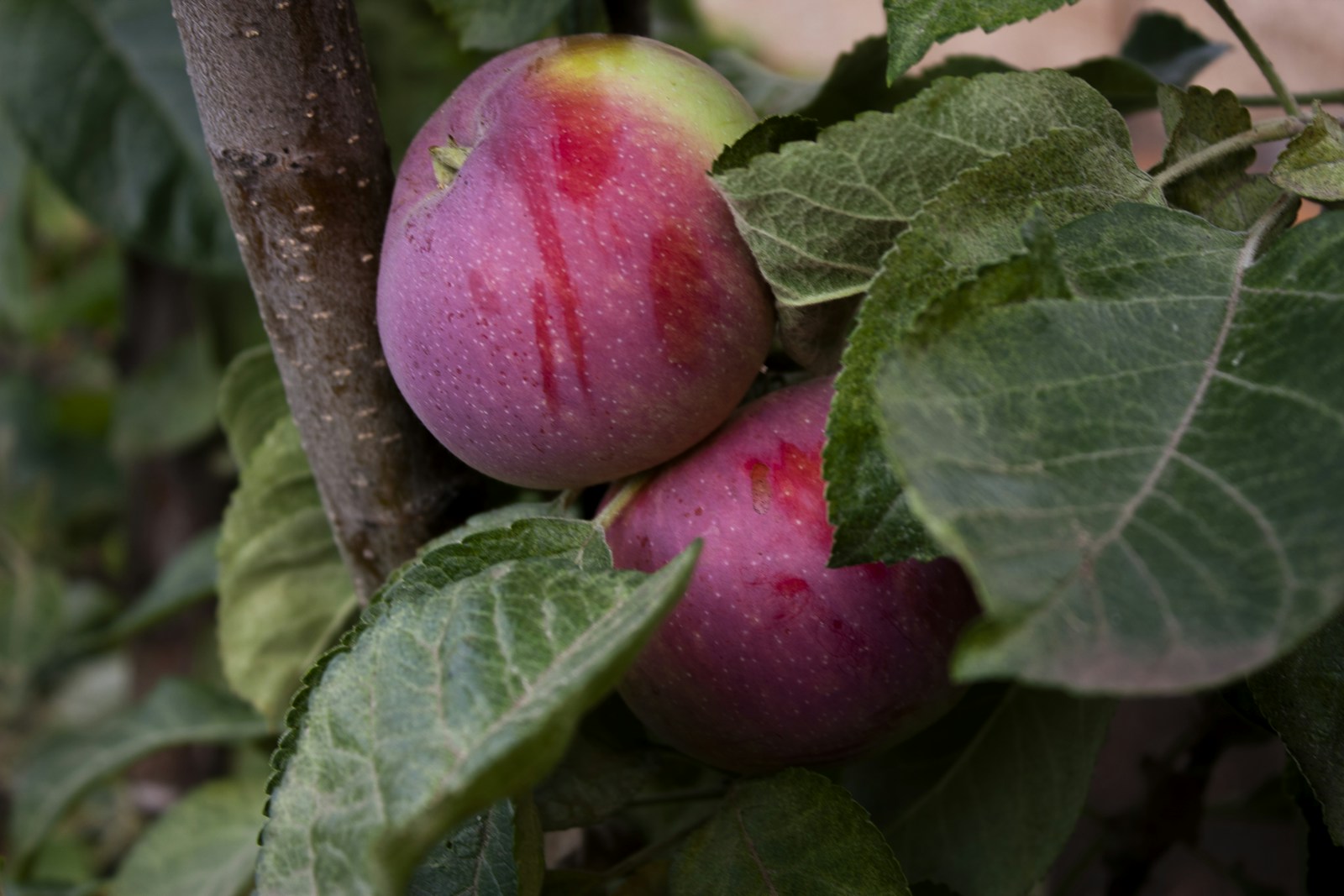
Sowing and planting
Apples do not come true from seed. A seedling from a favorite apple gives fruit of unknown, usually poor, quality. Every named apple is grafted: a shoot of the variety is joined onto a separate root system called a rootstock. The rootstock decides how big the tree gets, so choose it as carefully as the variety.
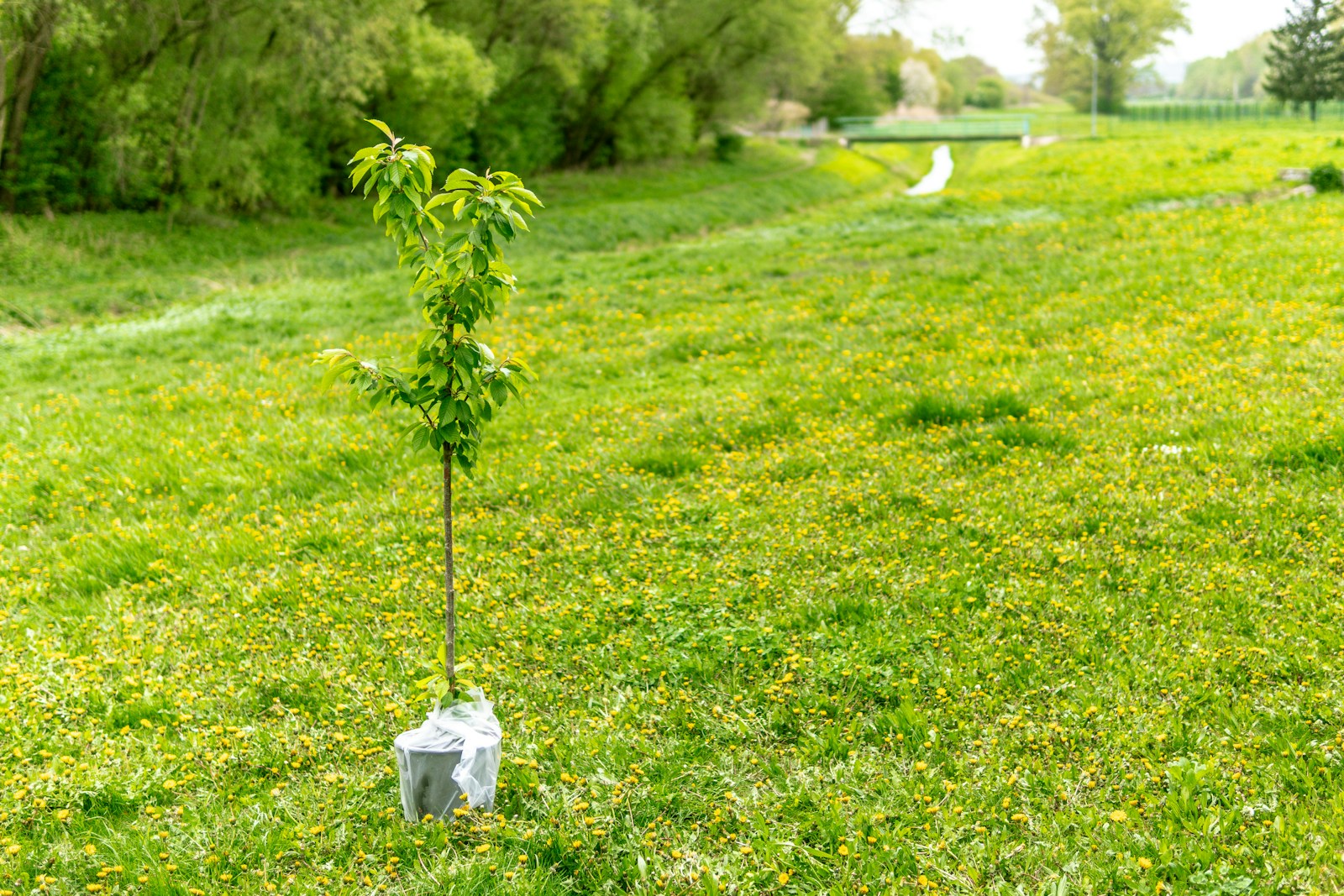
- Dwarf (such as M.9, M.26 or the Geneva series): 6 to 12 feet (1.8 to 3.5 m). These fruit young and you can pick from the ground. The roots are weak, so the tree needs a permanent stake and steady watering.
- Semi-dwarf (such as M.7 or MM.106): roughly 12 to 18 feet (3.5 to 5.5 m). This is a good middle choice for most yards.
- Standard (seedling rootstock): 20 to 30 feet (6 to 9 m). These are long-lived and drought-tough, but slow to bear and hard to prune, spray and pick.
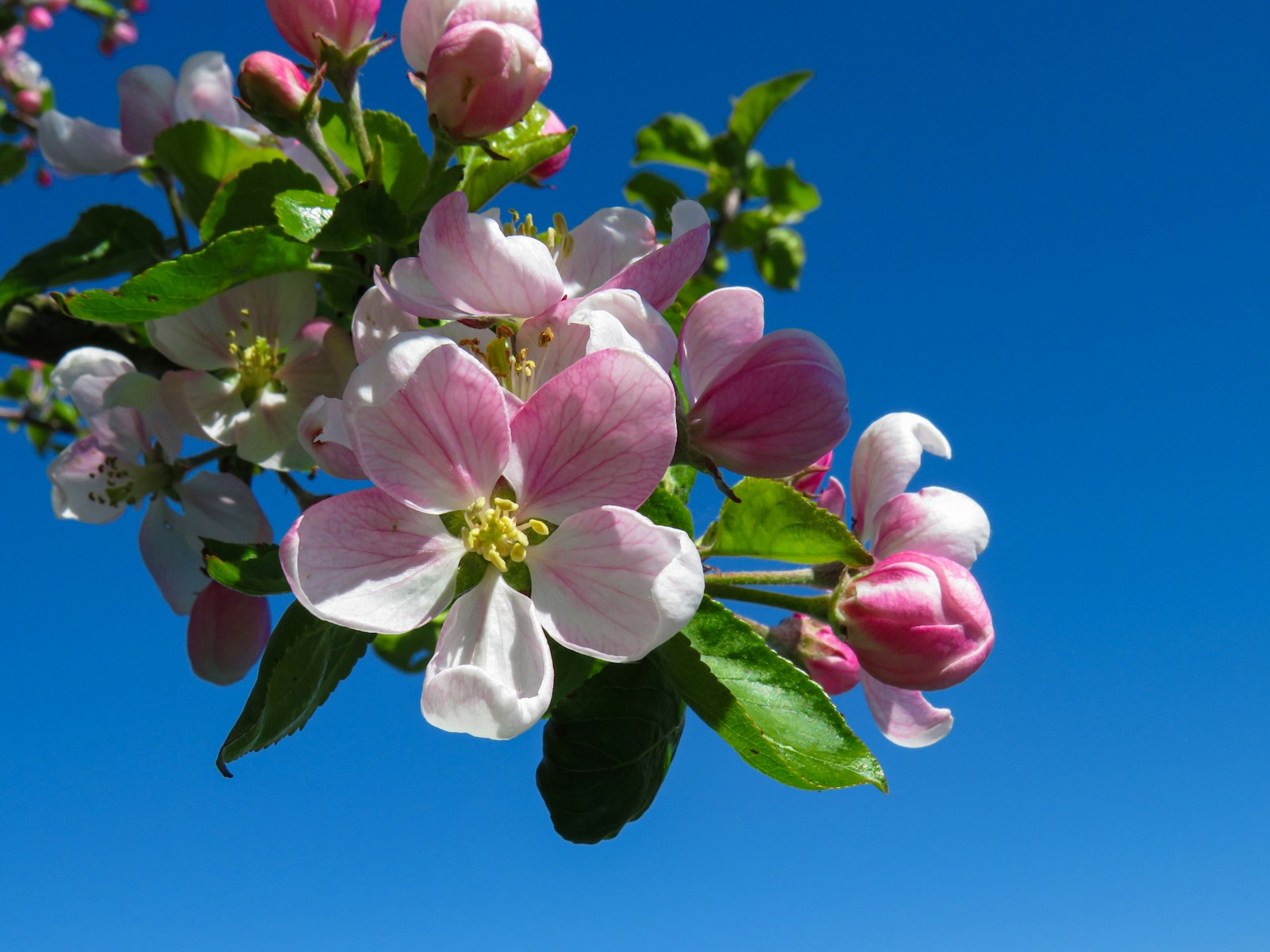
Most apple trees cannot pollinate themselves. Plant at least two different varieties that bloom at the same time, within about 50 feet (15 m) of each other, or you may get blossom and little or no fruit. A flowering crabapple nearby also works.
A few varieties are triploid, meaning their pollen is sterile. Stayman and Jonagold are common examples. They need a partner but cannot return the favor, so a triploid needs two other varieties nearby.
Plant bare-root trees while they are dormant. In cold-winter areas, plant in early spring as soon as the soil can be worked. In mild-winter areas, fall planting after leaf drop works well. Container-grown trees can go in any time the ground is not frozen, but avoid summer heat.
Choose a spot with full sun and good air movement. Avoid frost pockets, the low spots where cold air settles and kills blossom. Dig a hole twice as wide as the roots and no deeper. Set the tree so the graft union, the bulge low on the trunk, sits 2 to 3 inches (5 to 8 cm) above the soil. If you bury it, the variety roots itself and the dwarfing effect is lost. Backfill with the soil you dug out, water deeply, and stake dwarf trees at once.
Growing on
Water young trees deeply once a week in dry weather for the first two or three summers. Spread mulch 2 to 4 inches (5 to 10 cm) deep over the root zone. Keep it a hand's width from the trunk, since mulch against bark shelters voles that gnaw it.
Feed lightly. A layer of compost in spring is enough for most soils. A young tree that grows 12 to 18 inches (30 to 45 cm) of new shoot a year needs no extra nitrogen. Too much nitrogen gives soft, disease-prone growth and delays fruiting.
Pruning happens in late winter, while the tree is dormant but the worst cold has passed. Most home trees are trained to a central leader: one upright trunk with tiers of wide-angled side branches, shaped like a Christmas tree. Each year:
- Remove dead, diseased and broken wood.
- Cut out crossing branches and shoots growing straight up or into the center.
- Remove suckers from below the graft.
- Keep the top narrower than the bottom so light reaches the lower limbs.
Take no more than about a quarter of the canopy in one year. Use sharp, clean tools, wear eye protection, and work from the ground or a stable orchard ladder on level footing.
Thinning matters as much as pruning. Apples set fruit in clusters of five or six. Left alone, the tree gives many small apples, may break limbs, and often flowers poorly the next year. A few weeks after bloom, when the fruitlets are about the size of a marble, thin each cluster to the single best fruit. Aim for one apple every 6 inches (15 cm) along the branch. The tree sheds some fruitlets on its own in early summer, but rarely enough.
Harvesting
Ripening time depends on variety, from midsummer to late fall. Color alone misleads. Check these signs instead:
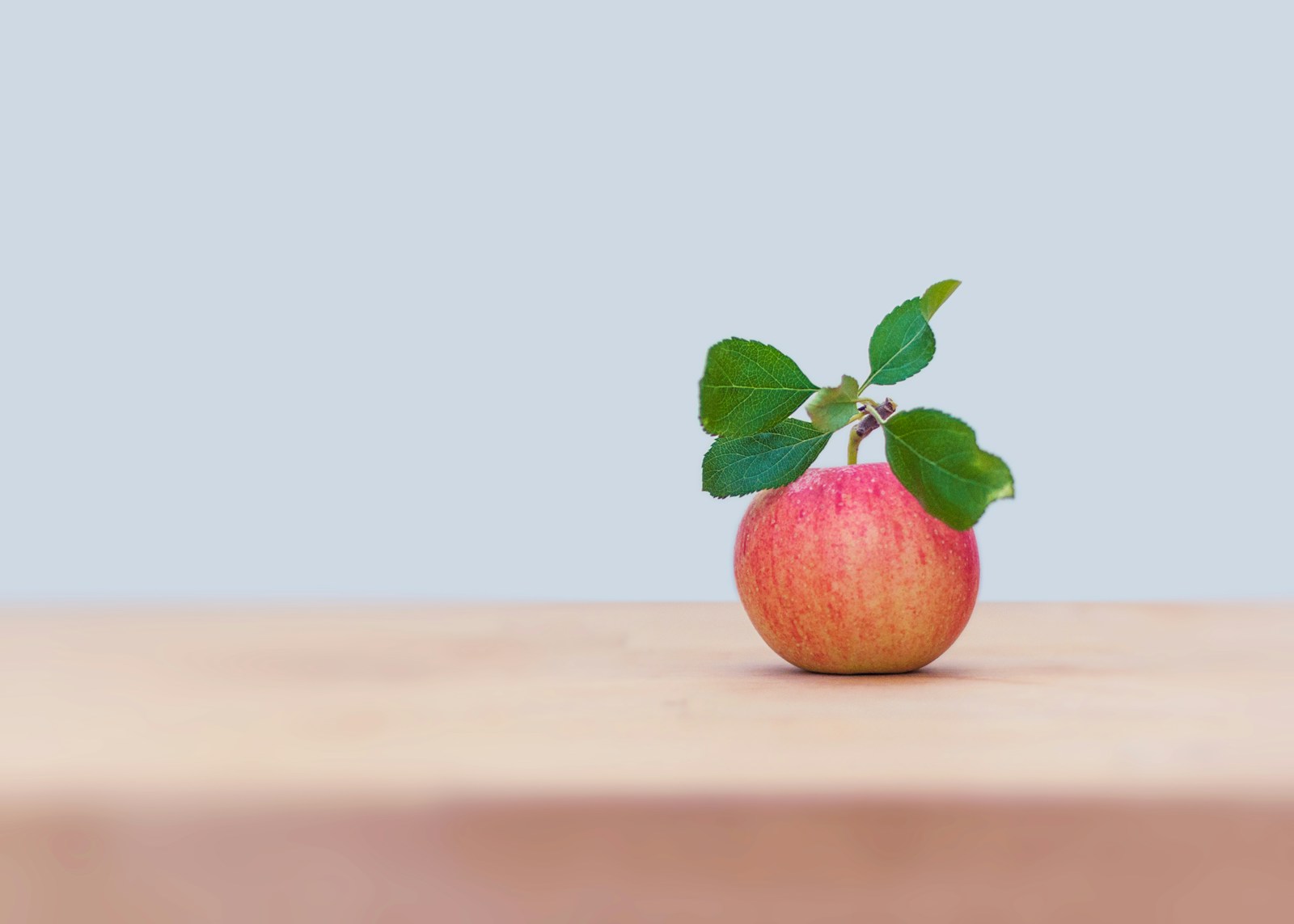
- The background skin color turns from green to yellow-green or cream.
- A fruit parts from the spur when you lift and twist it gently.
- The seeds inside a test apple are dark brown.
- The flesh tastes sweet, not starchy.
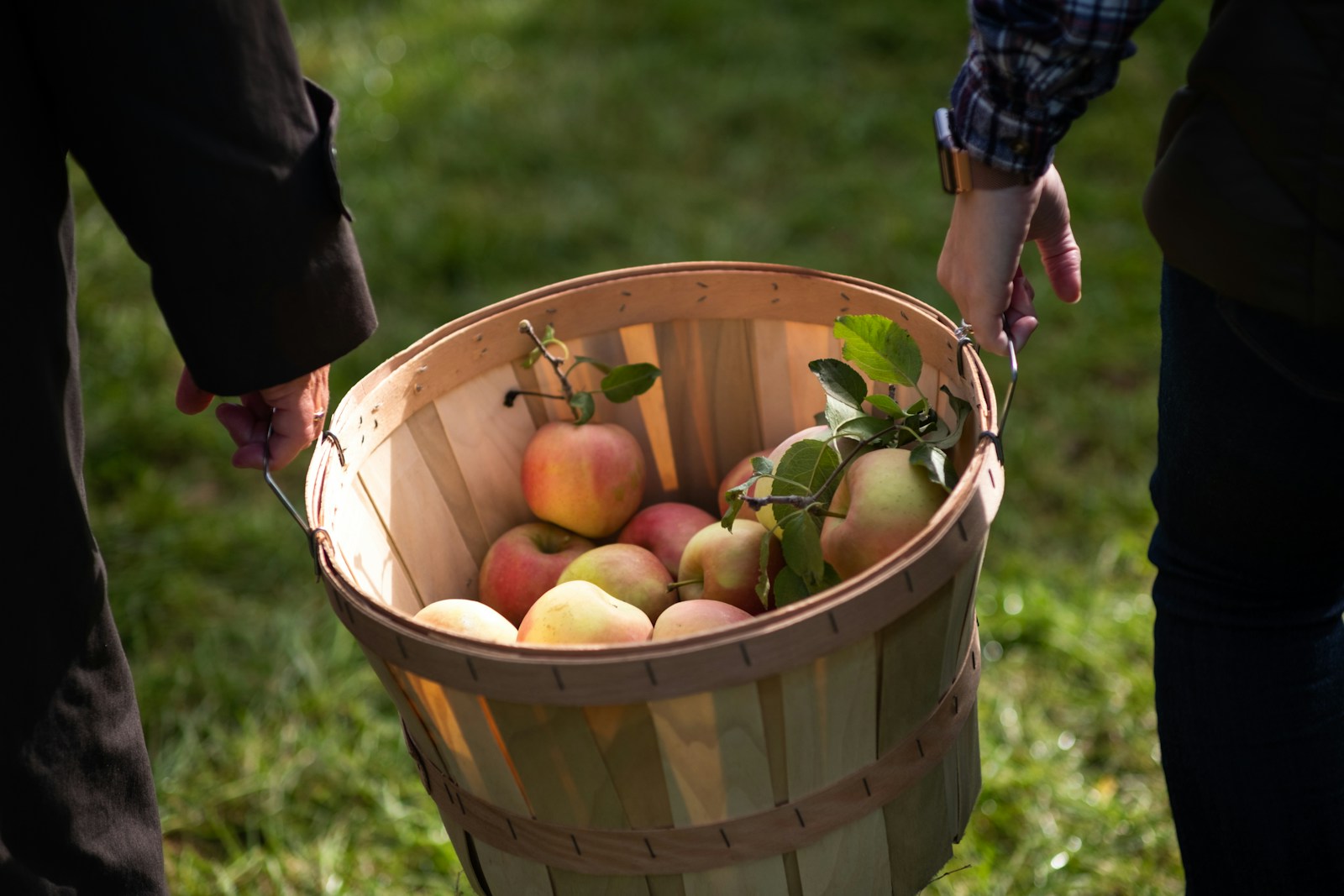
Pick by cupping the apple, lifting and twisting. Do not pull straight down, which tears off the fruiting spur that carries next year's buds. Handle fruit like eggs, because bruises rot in storage. Store only sound apples, somewhere cold and humid, close to 32 to 40°F (0 to 4°C).
Apples also have a long kitchen-medicine history in the southern mountains. Anthony Cavender's Folk Medicine in Southern Appalachia records that mountain families treated cider vinegar as something close to a cure-all. One account describes pomace, the pulp left from pressing, bound onto a sprained ankle. This is history only, not medical advice.
Problems and pests
Olive-brown velvety spots on leaves, corky scabs on fruit
This is apple scab, a fungus that thrives in cool, wet springs. It overwinters on fallen leaves. Rake up or mow over leaves in fall so they break down. Prune for an open, airy canopy. In scab-prone areas the simplest answer is a resistant variety.
Bright orange-yellow spots on leaves in late spring
Cedar apple rust needs two hosts. It spends part of its life on eastern red cedar and other junipers, then blows onto apples in wet spring weather. Removing every cedar nearby is seldom practical, because spores travel far. Choose rust-resistant varieties where cedars are common.
Holes in fruit with brown crumbly droppings, a tunnel to the core
The pinkish-white caterpillar of the codling moth is the classic "worm" in the apple. Pick up and destroy dropped fruit every few days. Thin clusters to singles, since moths favor touching fruit. After thinning, you can close each fruitlet in a paper or mesh fruit bag, which works well on small trees.
If you choose to spray for any of these, use only a product labelled for home fruit trees. Follow the label exactly, wear the protective gear it lists, and never spray insecticide during bloom, when bees are working.
Varieties worth growing
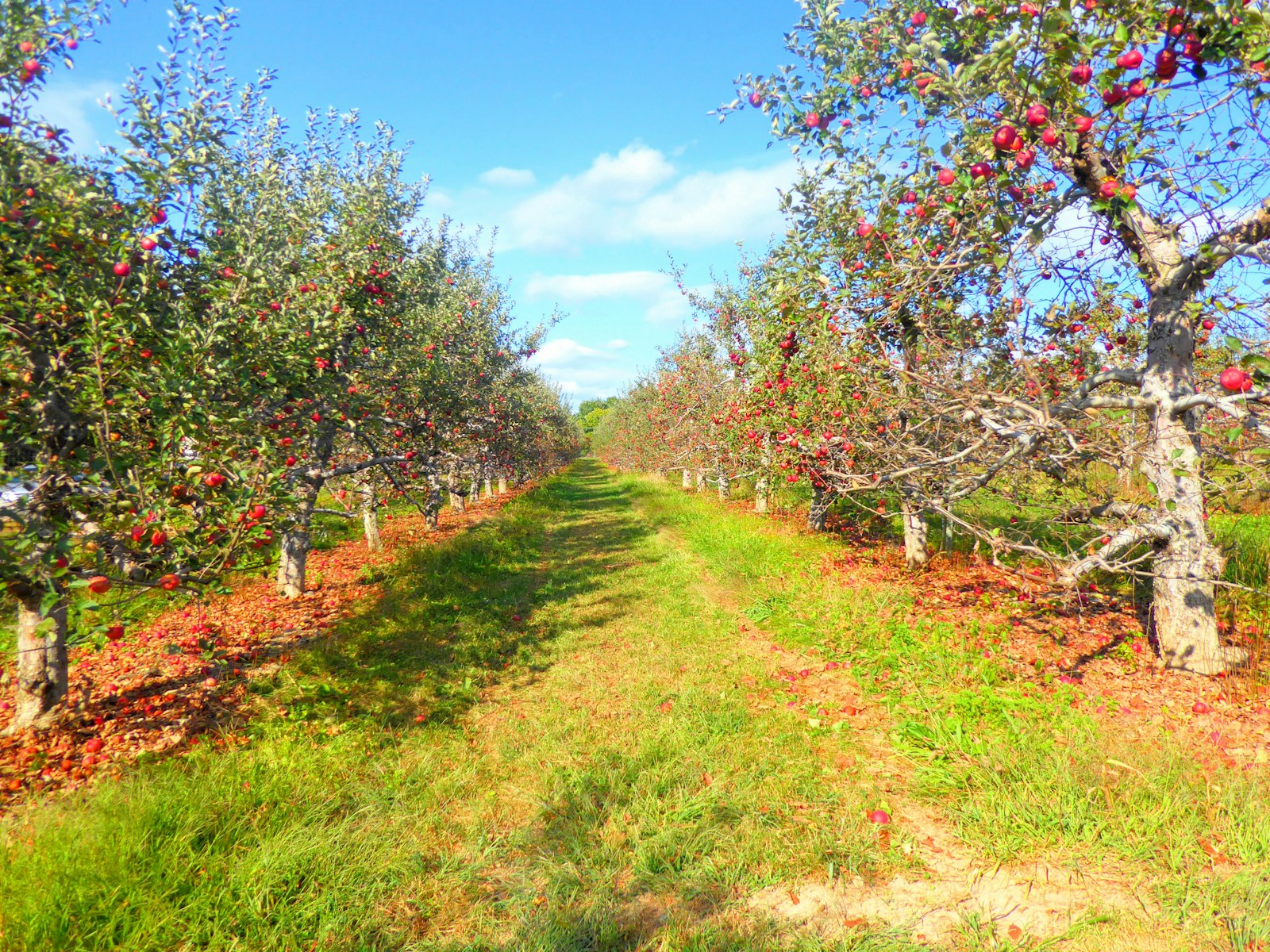
- Liberty: red, crisp and tart-sweet. Highly resistant to scab and resistant to cedar apple rust, so it is a strong choice for low-spray growing.
- Enterprise: late, glossy red and scab resistant. It stores for months and the flavor improves in storage.
- GoldRush: late yellow apple with sharp, rich flavor and long storage life. It resists scab but is susceptible to cedar apple rust.
- Golden Delicious: sweet, reliable and a good pollen source for many other varieties. It is susceptible to cedar apple rust.
- Arkansas Black: an old southern variety with very dark, hard fruit that mellows in storage.