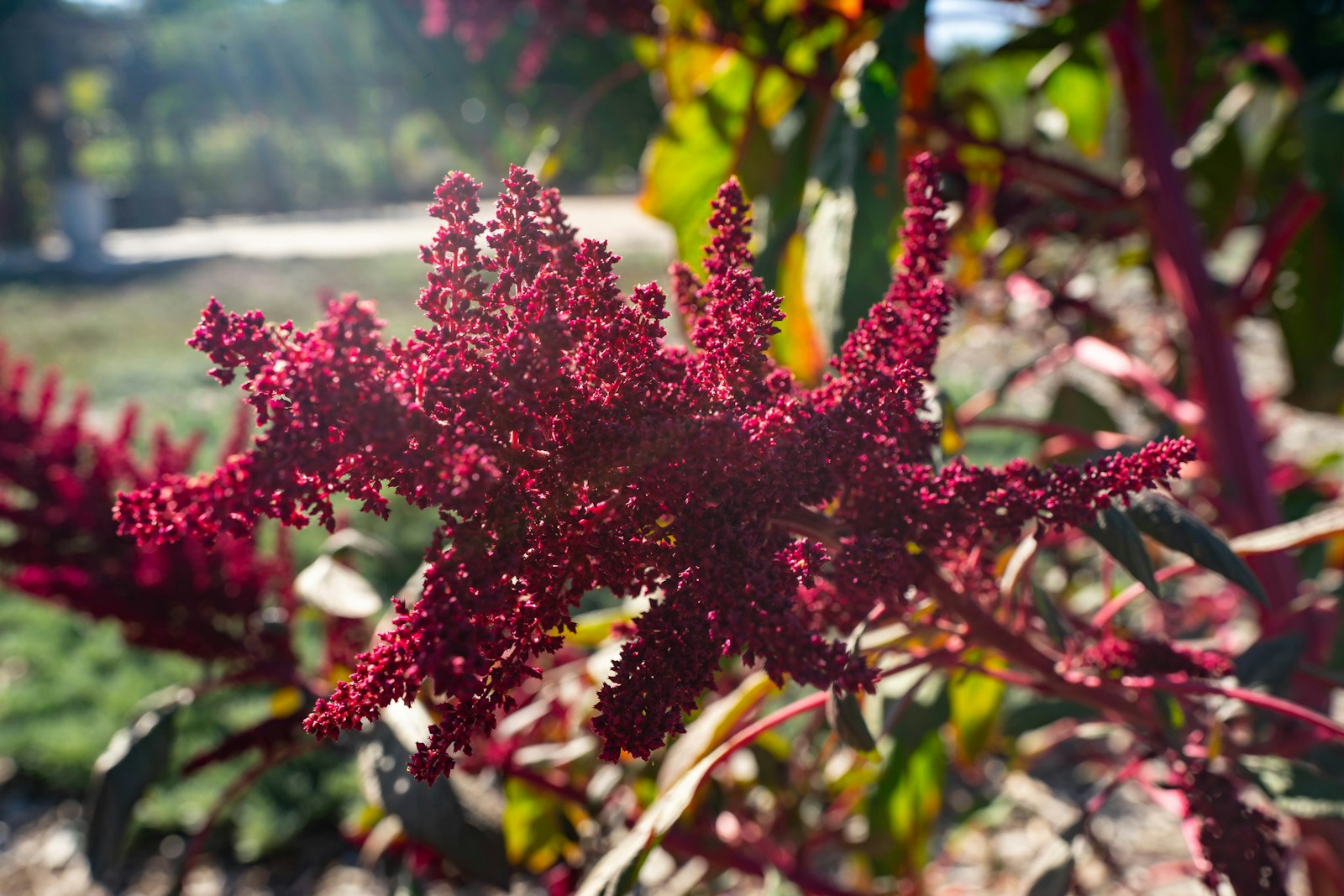
Amaranth is a fast, heat-loving annual grown for its bold flower tassels, upright plumes and brightly coloured leaves. Some types hang in long rope-like chains, others stand as stiff spikes, and others are grown mainly for red, gold and green foliage. The young leaves and seeds of many types are edible too. It is easy to grow once the soil is warm.
Sowing and planting
Amaranth grows best sown directly where it is to flower. Sow outdoors 1 to 3 weeks after your last frost, once the soil is at least 65°F (18°C). Seed usually comes up in 5 to 14 days in warm soil.
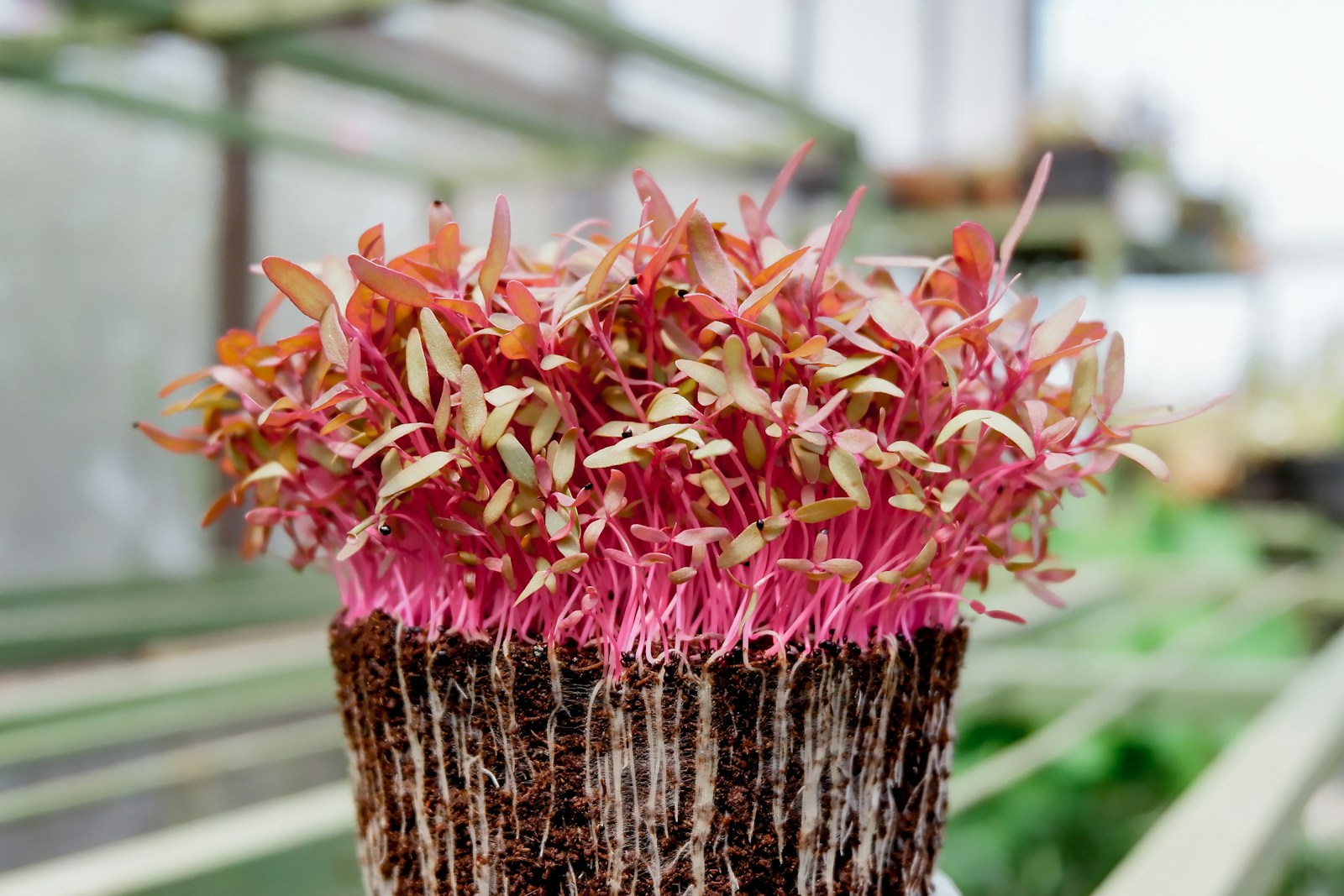
The seed is tiny. Mix it with a little dry sand so you can scatter it thinly. Cover it lightly with 1/8 to 1/4 inch (3 to 6 mm) of fine soil, and keep the surface damp until seedlings appear.
For earlier flowers, start seed indoors 4 to 6 weeks before your last frost. Sow two or three seeds per cell and keep them at 70 to 75°F (21 to 24°C). Thin to the strongest seedling. Amaranth dislikes root disturbance, so do not let pots get rootbound.
Harden off indoor seedlings for about a week before planting out. Hardening off means getting seedlings used to outdoor sun and wind by setting them outside for longer each day. Plant out 1 to 2 weeks after your last frost.
Thin direct-sown seedlings in stages until they stand at their final spacing. Space compact foliage types about 12 inches (30 cm) apart. Give tall tassel and plume types 18 to 24 inches (45 to 60 cm). Thinnings are edible, so add them to salads or stir-fries.
For a steady supply of young leaves, sow a short row every 2 to 3 weeks until midsummer.
Growing on
Water seedlings regularly until they are well rooted. After that, amaranth copes with dry spells better than most annuals. Water deeply once a week in dry weather, more often in pots. Plants grown for leaves stay more tender with steady moisture.
Go easy on fertiliser. Rich soil gives lush, floppy plants that fall over. Mix a little compost in before sowing, and that is usually enough. In poor soil, give one balanced feed when plants are about 12 inches (30 cm) tall.
Mulch with 2 inches (5 cm) of straw or shredded leaves once plants are established. It holds moisture and keeps weeds down while the plants are young. Amaranth soon shades out most weeds itself.
Tall types such as love-lies-bleeding and 'Hopi Red Dye' get top-heavy in flower. Stake them individually or run twine along each side of a row. Hill a little soil around the base of the stems for extra anchorage.
You can pinch out the tip of young foliage types to make them bushier. Do not pinch plants grown for large single plumes. Joseph's coat colours best in full sun and lean soil; too much shade or nitrogen dulls the leaves.
Amaranth pollinates by wind, so it offers little nectar. Seed-eating birds such as finches visit ripe heads in autumn. Grow it at the back of a border with zinnias, cosmos and sunflowers.
Harvesting
Cut flowers. Cut stems when the tassels or plumes are well coloured but before seed starts to drop. Cut in the cool of the morning and strip the leaves, which wilt first. Stand the stems in cool water. They usually last a week or more in a vase.
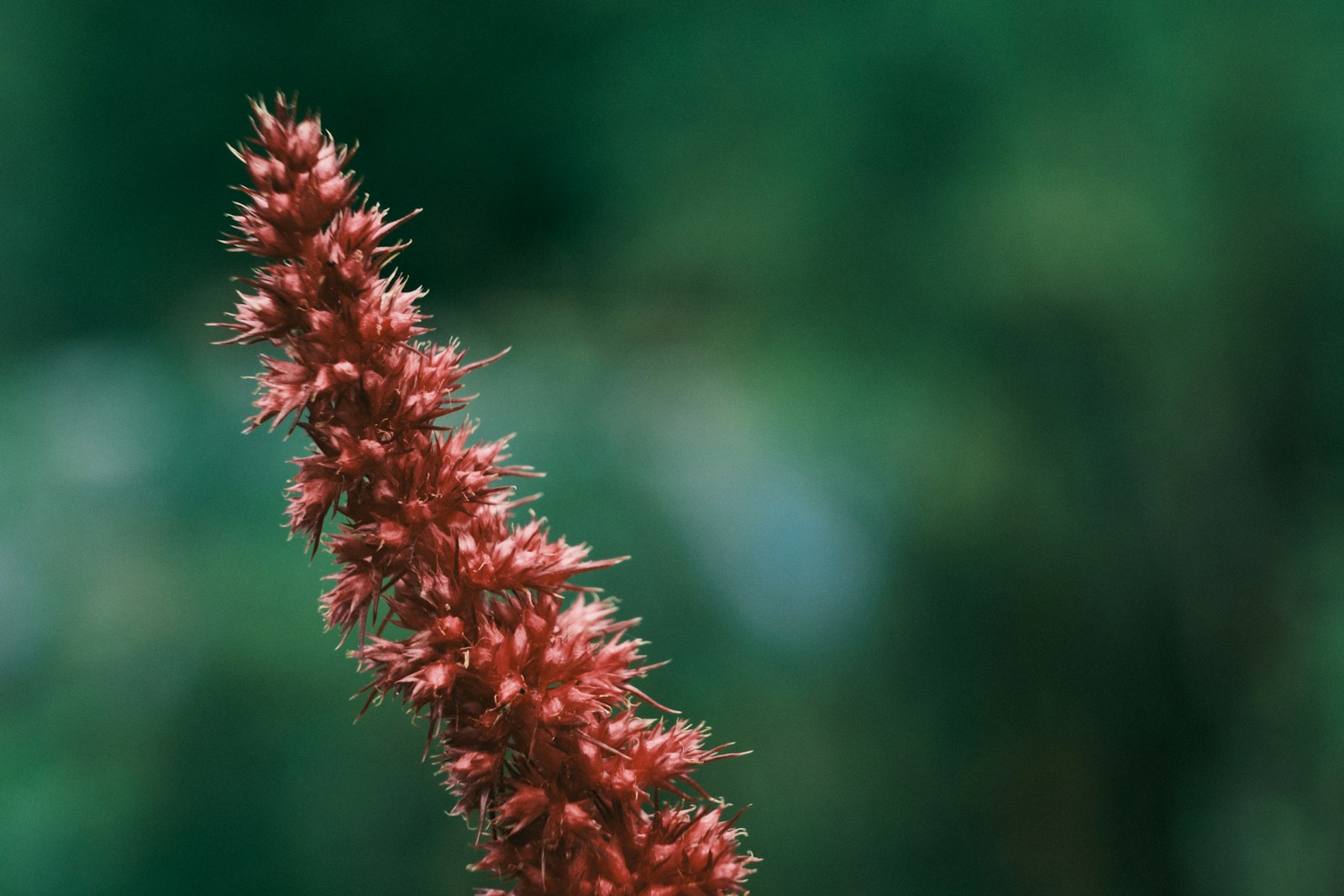
Dried flowers. Amaranth dries very well. Hang small bunches upside down in a dark, airy place for 2 to 3 weeks. Upright plumes keep their shape best; hanging tassels dry in whatever curve you hang them.
Leaves. Pick young leaves and shoot tips once plants are 6 to 8 inches (15 to 20 cm) tall. Pick often to keep new growth coming. Eat tender leaves raw, or cook older leaves like spinach. Joseph's coat and grain types are all used this way.
Grain. Seed is ready when it falls easily if you rub the head between your hands. This usually happens around the first light frost. Cut whole heads on a dry day and dry them on a sheet for a week. Rub the heads over a bucket, then winnow away the chaff by pouring from one bowl to another in a light breeze. Store dry grain in an airtight jar.
Saving seed. Save seed from open-pollinated varieties the same way. Different amaranths cross by wind, so grow only one type if you want seed that comes true. Store it cool and dry in a labelled envelope.
Amaranth fails in cold soil. Seed sown too early rots or sits dormant, and seedlings stall in chilly weather. Wait until the soil reaches 65°F (18°C) and all frost risk has passed. Any frost blackens the plants.
Problems and pests
Tiny round holes in young leaves
Flea beetles, small jumping beetles, are feeding. Damage is worst on seedlings in dry, cool weather. Cover young plants with fine insect mesh, and keep the soil moist. Plants usually grow away from the damage once the weather warms.
Clusters of small insects on shoot tips and flower heads
Aphids are feeding on the sap. Knock them off with a strong jet of water. For heavy infestations, spray insecticidal soap and follow the label. Ladybirds and lacewings usually move in to help.
Seedlings collapse at soil level
This is damping off, a fungal rot of young stems. It strikes in cold, wet soil and crowded trays. Sow thinly into warm soil and water from below. Give indoor seedlings good air movement.
Tall plants lean or fall over
Heavy flower heads, wind and over-rich soil are to blame. Stake early, before plants need it. Cut back on fertiliser next time, and plant tall types in a sheltered spot.
Unwanted seedlings everywhere the next year
Amaranth self-seeds freely from dropped seed. Cut flower heads before they ripen if you do not want seedlings. Pull young volunteers while they are small, or eat them as greens.
Varieties worth growing
Tassel and plume types
- Love-lies-bleeding (A. caudatus): long, drooping crimson tassels on plants 3 to 5 feet (90 cm to 1.5 m) tall.
- 'Viridis' (A. caudatus): the same rope-like tassels in pale lime green, good in arrangements.
- 'Hopi Red Dye' (A. cruentus): upright deep red plumes and burgundy leaves, traditionally used as a natural dye.
- 'Hot Biscuits' (A. cruentus): tall, upright plumes in a warm cinnamon-bronze shade.
Foliage types
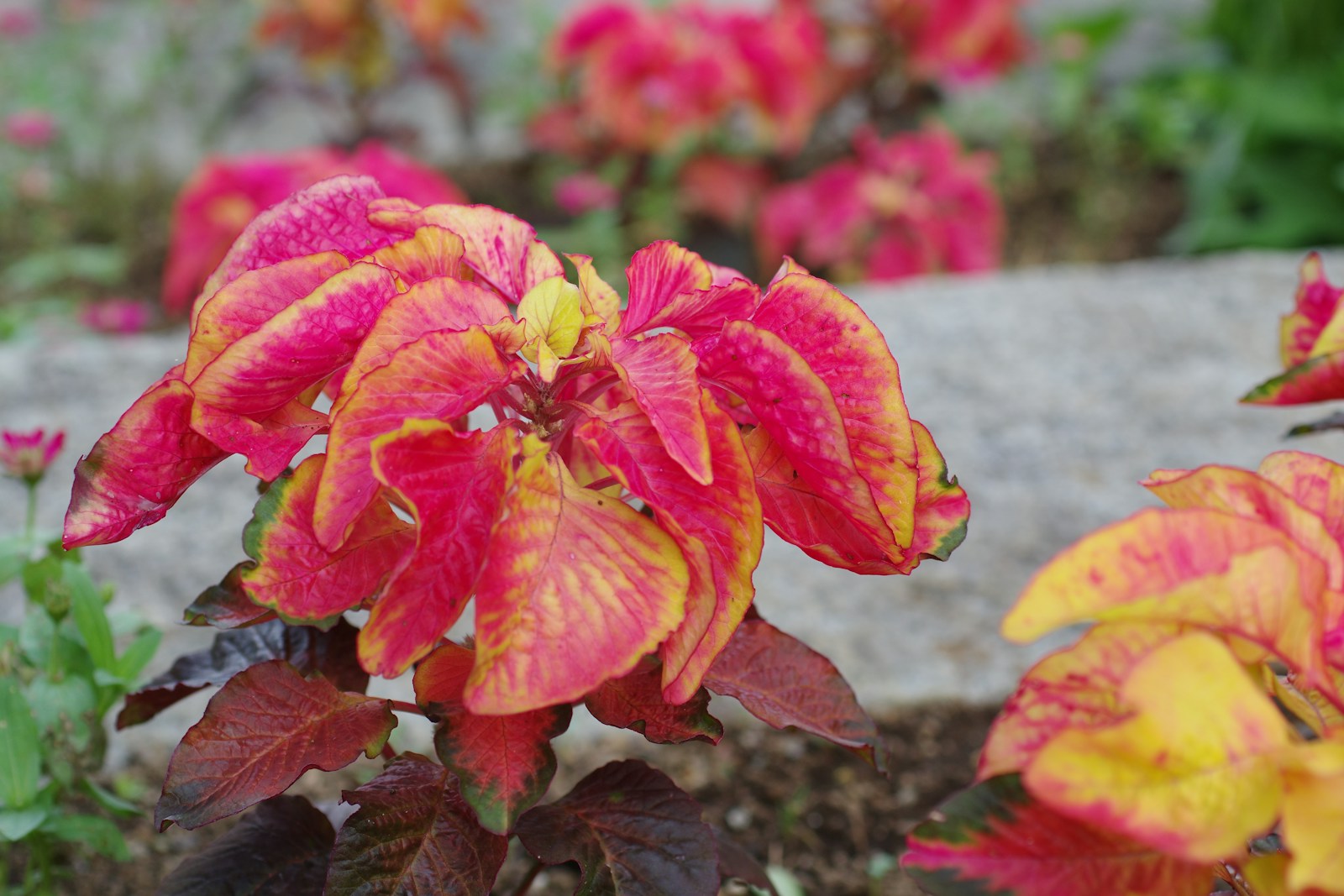
- Joseph's coat (A. tricolor): leaves splashed with red, yellow and green, brightest in full sun.
- 'Molten Fire' (A. tricolor): bronze-purple lower leaves topped with vivid scarlet ones.
- 'Illumination' (A. tricolor): a crown of glowing rose-red and gold leaves above bronze foliage.
Grain and leaf types
- 'Golden Giant': tall plants with golden seed heads, grown mainly for grain.