Wild food follows the seasons. Tender greens come first, then flowers, then fruit, and finally roots and evergreens. This plan covers common plants of eastern North America that beginners can learn one at a time. The one thing that matters most is certain identification. Learn a plant well in one season before you harvest it in the next.
What you need
- A field guide for your region, or a local foraging group or extension walk
- Thick gloves for nettles and thorny canes
- A small knife or scissors, and a digging fork or narrow spade for roots
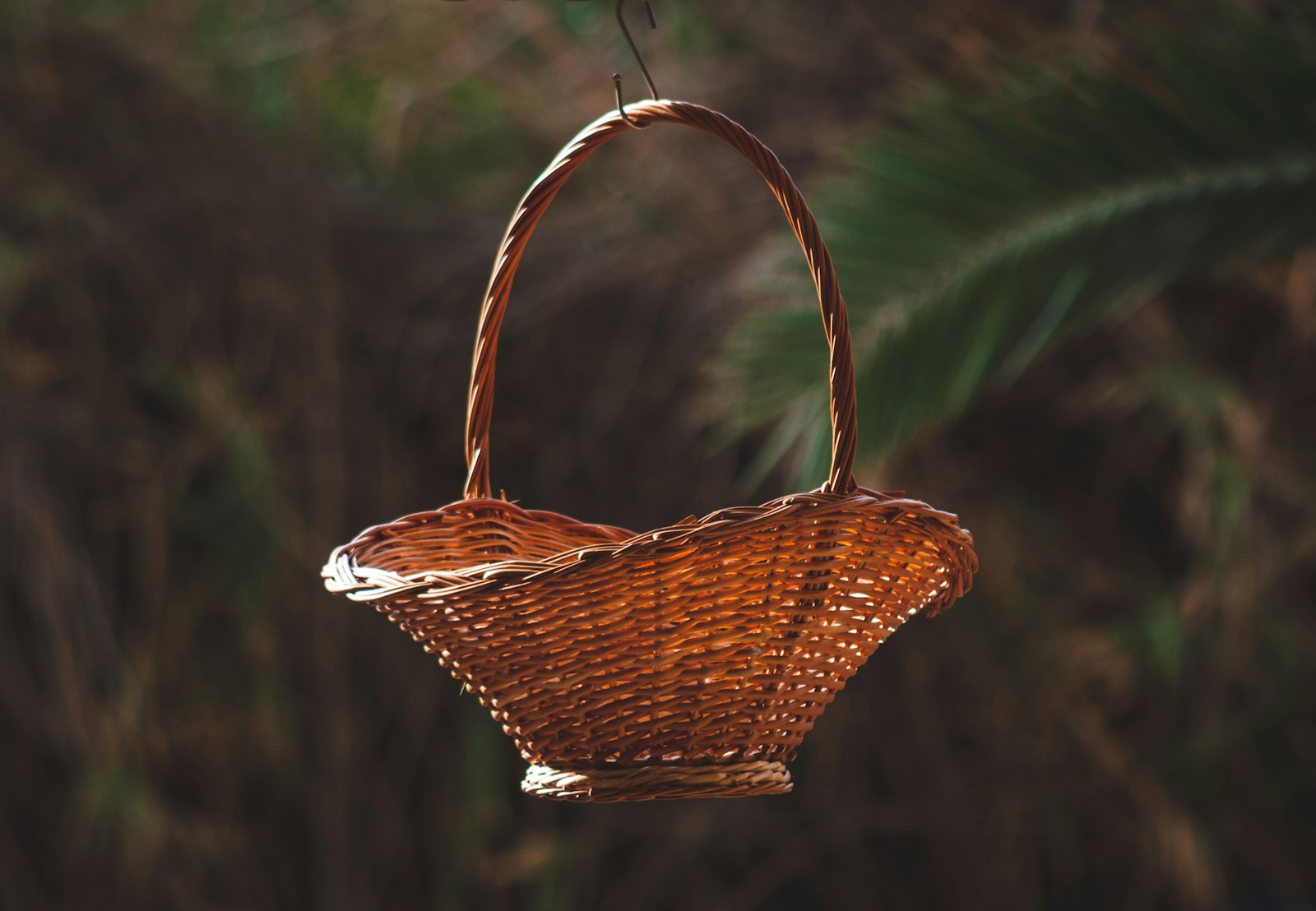
- Cloth bags or a basket, plus paper bags to keep each plant separate
- A notebook or phone to record where and when each plant appeared
- Permission from the landowner, and a site away from roads and sprayed ground
When to forage through the year
Time your harvests by frost and by what the plant is doing, not by the calendar. Spring greens start when the soil thaws and new growth appears, usually a few weeks before your last frost. Flowers peak in the long days of early and mid summer. Fruit ripens from late summer until hard frost. Roots are best after frost has killed the tops, or in very early spring before new leaves unfold.
Your zone shifts every date. In USDA zones 7 and 8, chickweed and dandelion keep growing through much of winter. In zones 3 to 5, spring arrives weeks later and the ground freezes solid. Watch your own patches and write down when each plant is ready. The earlier guide on responsible foraging covers permission, clean sites and taking only a small share. Follow those rules for every plant below.
Step 1: Gather tender greens in early spring
Start with greens, because they are mild and tender only for a short time.
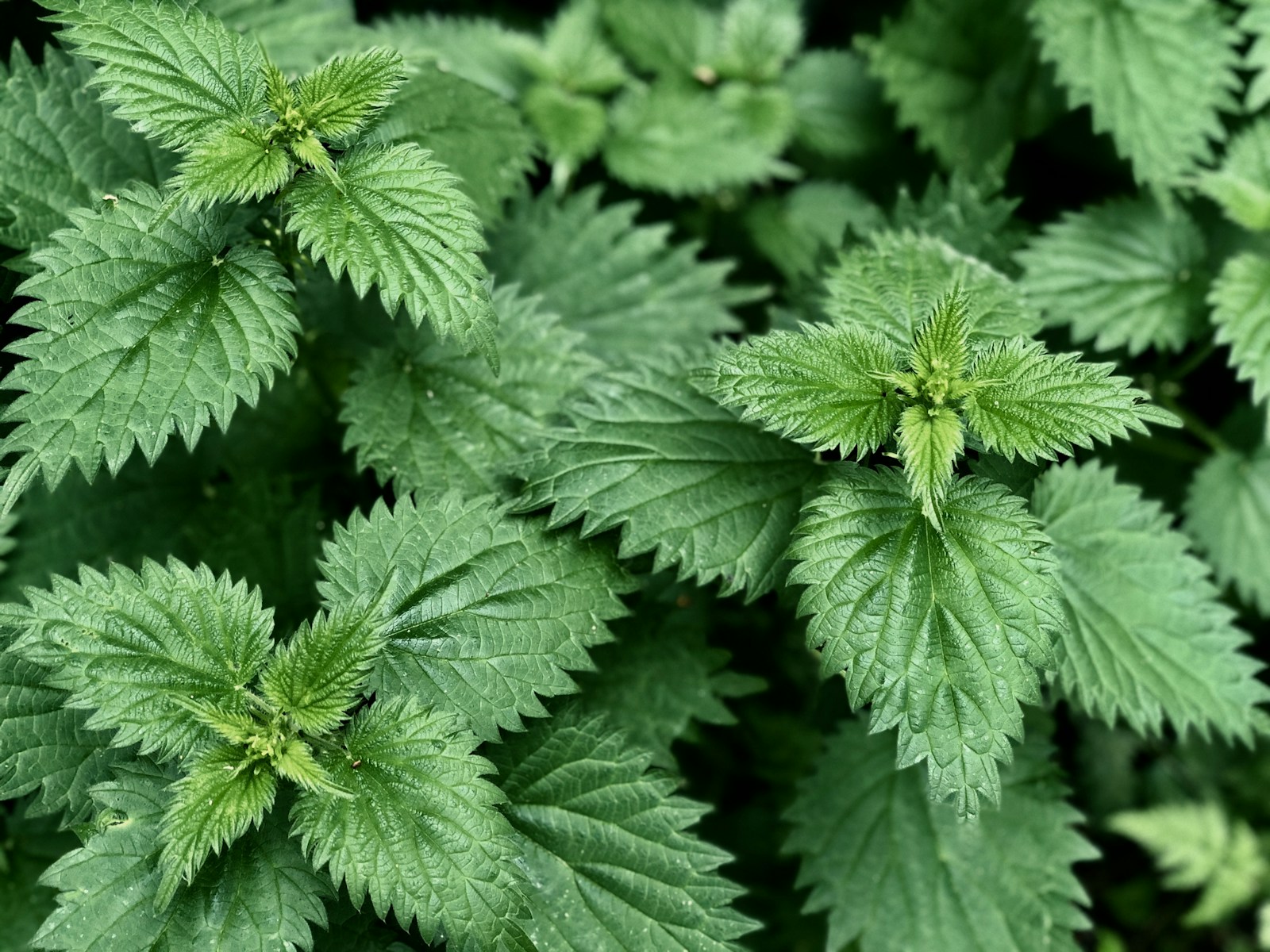
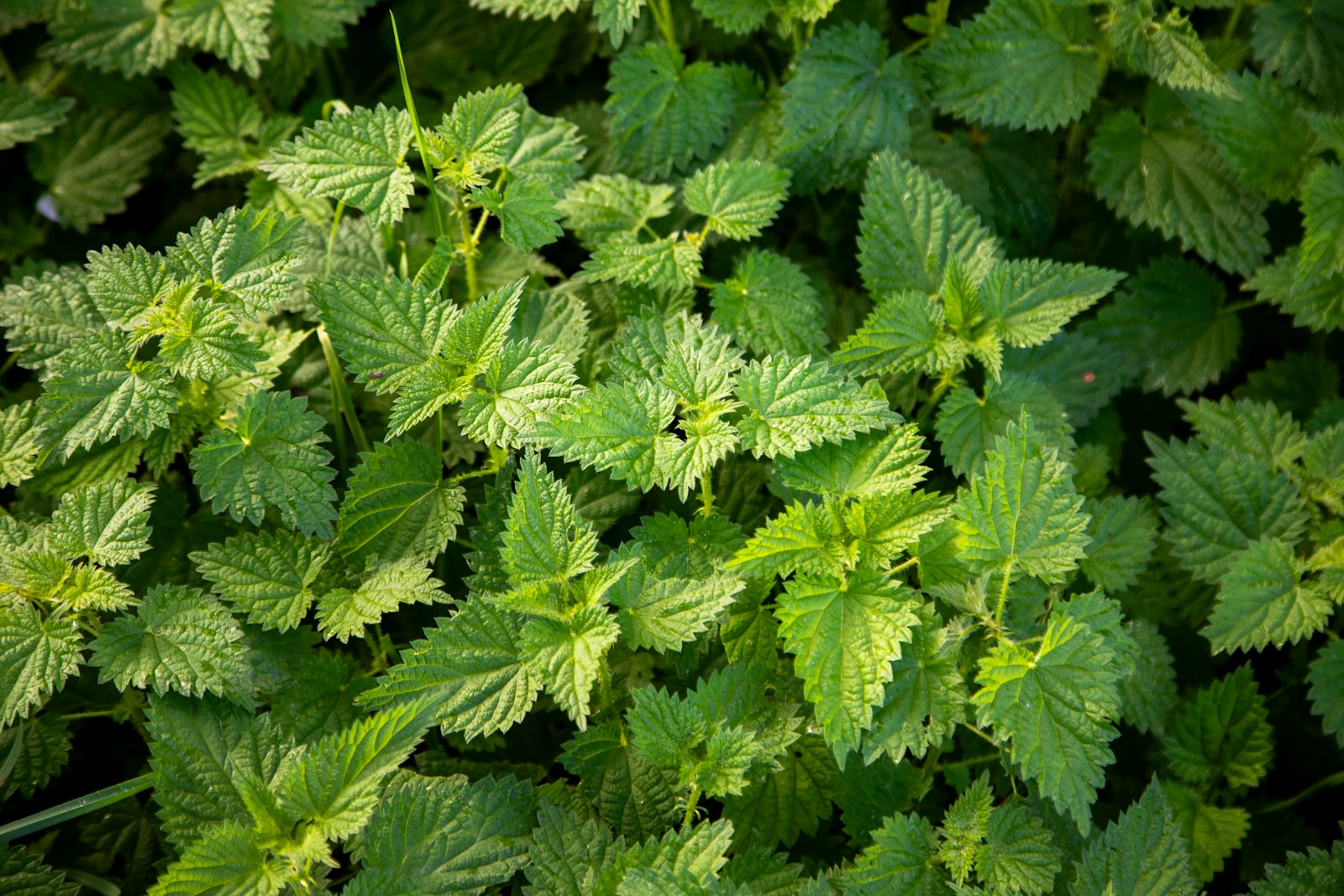
Stinging nettle (Urtica dioica) grows in rich, moist ground. Wear gloves and long sleeves, since the hairs on stems and leaves sting on contact. Snip the top four to six leaves while plants are under about 12 inches (30 cm) tall. Cooking or thorough drying removes the sting. Never eat nettles raw. Use them like spinach, or dry them for tea.
Chickweed (Stellaria media) forms soft mats in cool, damp soil. Look for a single line of fine hairs running up one side of the stem. Snip the top few inches and eat it raw in salads.
Dandelion greens taste best before the plant flowers. After that they turn bitter. Pick the youngest inner leaves.
Violets (Viola species, the common blue or purple wild violets) have heart-shaped leaves and edible flowers. Add both to salads. Do not confuse them with African violets, which are houseplants.
Garlic mustard (Alliaria petiolata) is invasive, so pick as much as you like. Pull whole plants before they set seed, and bag any that have flowered so the seed does not spread. The leaves smell of garlic when crushed.
Step 2: Pick flowers as summer peaks
Pick flowers on a dry morning, after the dew lifts but before midday heat. Choose fresh, fully open blooms.
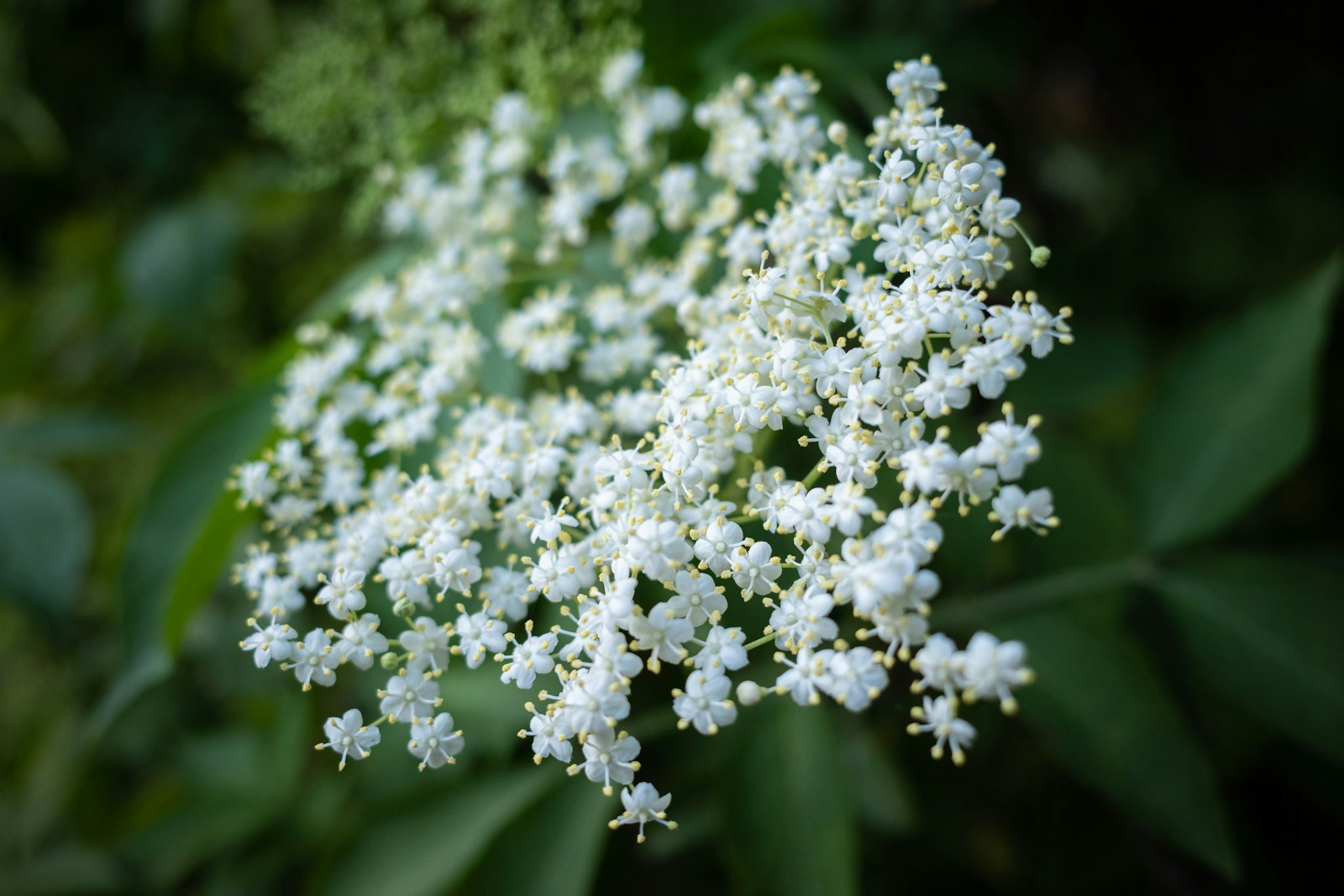
Elderflowers grow in flat, creamy clusters on elder shrubs (Sambucus canadensis). Snip whole clusters and shake out insects. Use them in cordial, fritters or tea. Remove as much green stem as you can, since the stems are toxic.
Red clover (Trifolium pratense) blossoms are pink-purple balls. Pick fresh, bright heads and dry them for tea. Skip any that are browning.
Plantain (Plantago major, a common lawn weed, not the banana) has broad leaves with strong parallel veins. Young leaves are edible cooked. Older leaves are stringy.
Yarrow (Achillea millefolium) has feathery leaves and flat white flower heads. Its lacy look resembles deadly carrot-family plants. Learn yarrow's aromatic smell and fuzzy, finely divided leaves before you pick it. Use a small amount of leaf or flower in tea.
Wild bergamot (Monarda fistulosa) has lavender pom-pom flowers and square stems, like other mints. Leaves and flowers make a strong, oregano-like tea or seasoning.
Step 3: Collect berries and hips in late summer and fall
Fruit season runs from late summer to hard frost. Pick only fully ripe fruit.
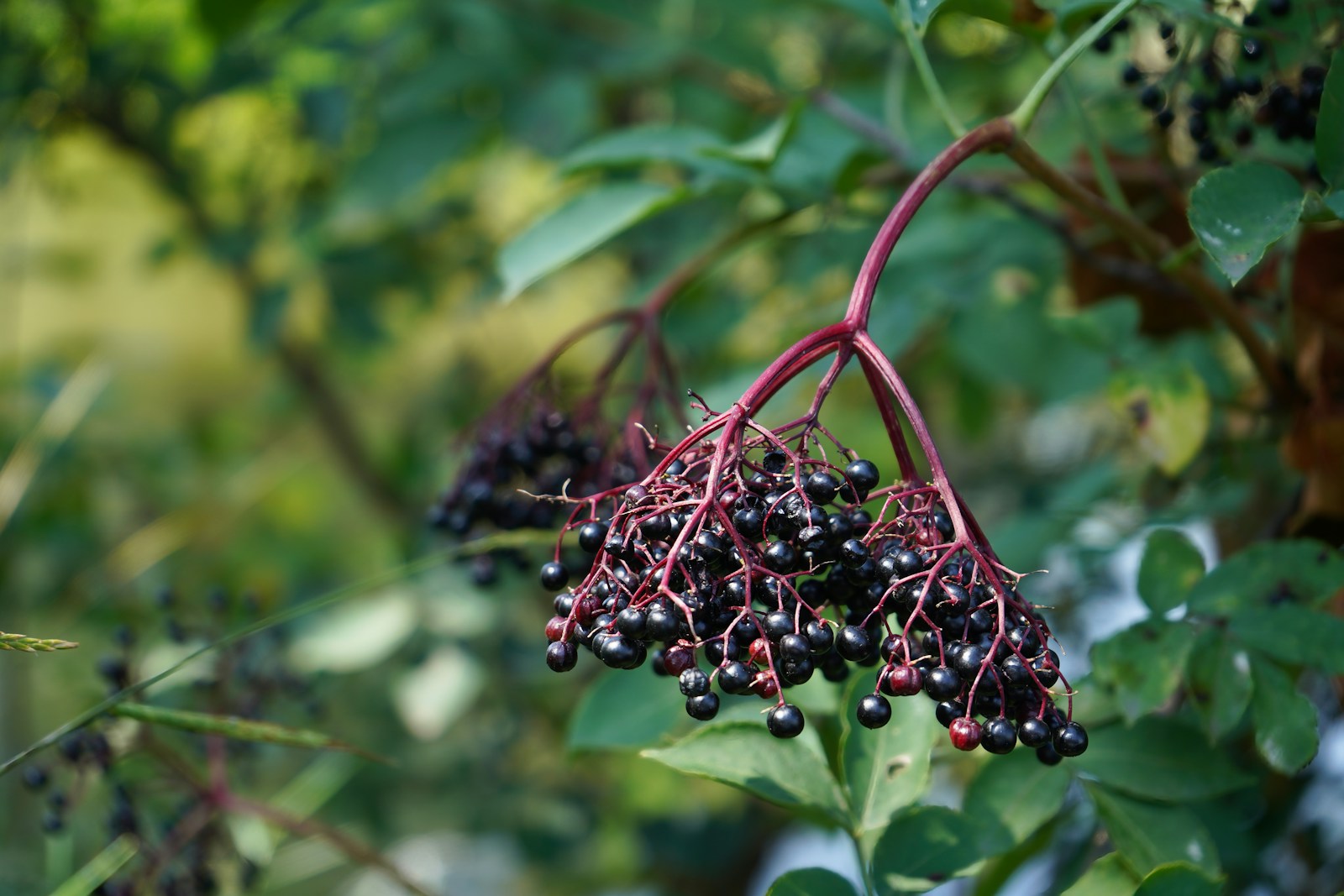
Elderberries ripen to deep purple-black in drooping clusters. Always cook them before eating. Raw berries, stems, leaves and unripe fruit contain compounds that cause nausea and vomiting. Strip the berries from the stems with a fork. Then simmer them for jam, syrup or pie. Hot fruit and sugar syrup burn badly, so use a deep pot and a long spoon, and keep children back from the stove.
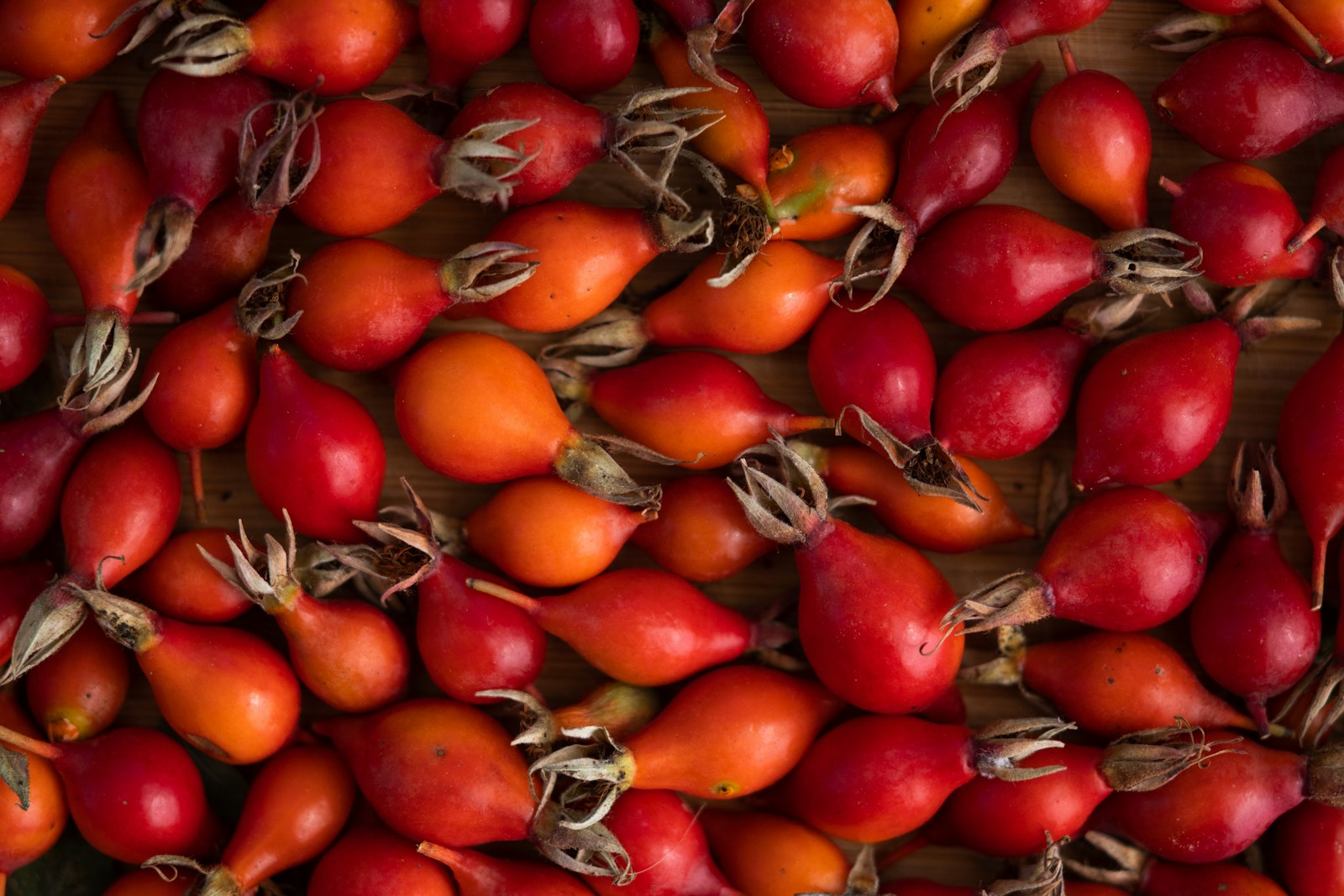
Rose hips are the red fruit left after wild roses bloom. They soften and sweeten slightly after the first frost. Inside are seeds covered in fine hairs that irritate the mouth and gut. Split the hips and scrape out the seeds, or strain any tea through a fine cloth or coffee filter.
Blackberries ripen on thorny canes (long, arching stems) in sunny edges. Wear gloves and long sleeves. Pick berries that come away with a gentle tug.
Goldenrod (Solidago species) lights up fields with yellow plumes. Pick flower tops just as they open and dry them for tea. Goldenrod is often blamed for hay fever, but the real culprit is usually ragweed, which blooms at the same time.
Step 4: Dig roots after the tops die back
Roots store the most energy once the tops die back. Dig them after the first frosts, while the ground is still workable, or in very early spring before new leaves unfold.
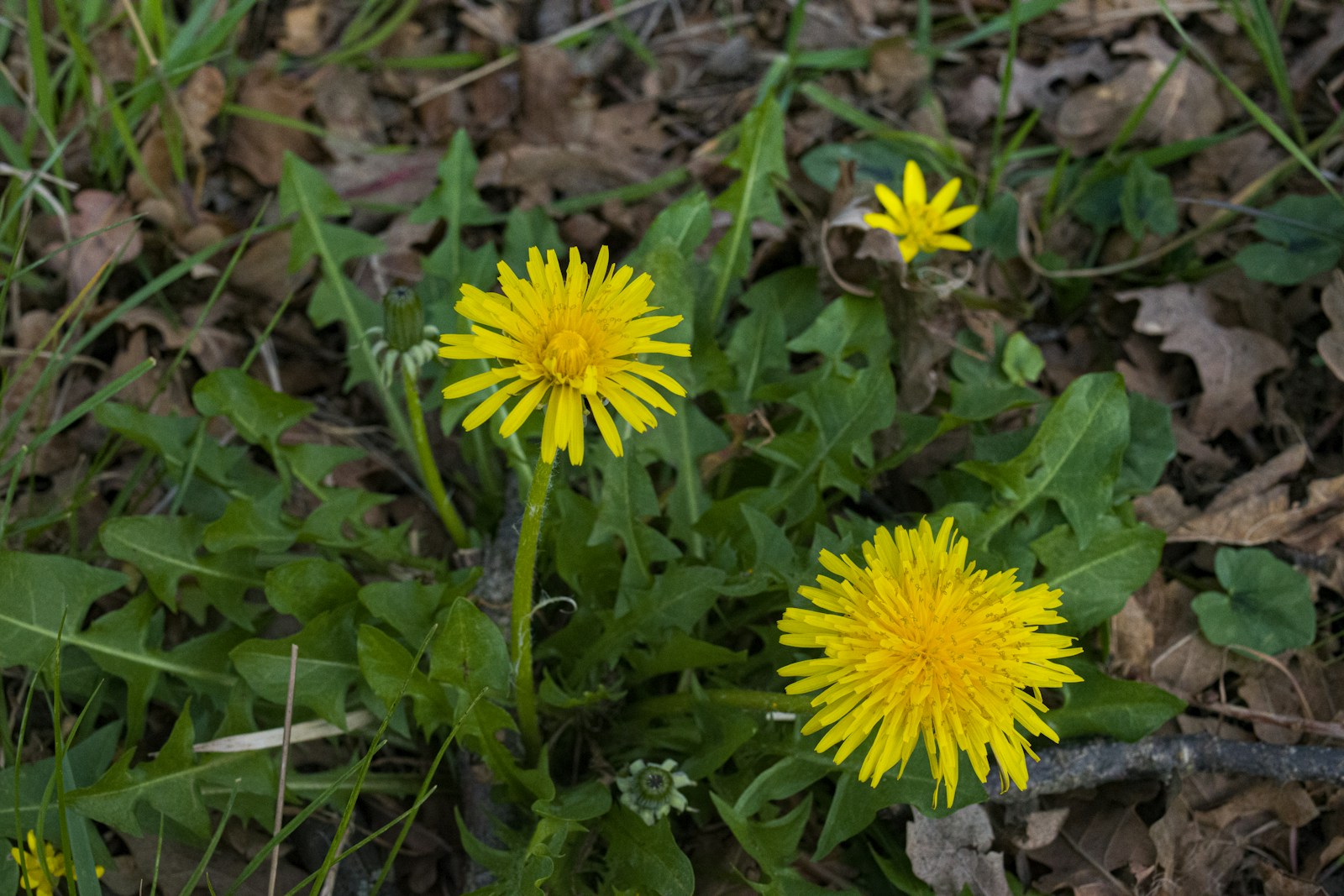
Dandelion roots run deep. Loosen the soil around each plant with a digging fork, then ease the root out. Wear sturdy shoes, and keep your feet clear of the tines. Scrub the roots, chop them and roast them until dark brown for a coffee-like drink.
Burdock (Arctium species) is a biennial, which means it lives two years. It forms a leafy rosette (a flat circle of leaves) in year one and a tall, burr-covered stalk in year two. Dig first-year roots in fall, since second-year roots turn woody. Burdock roots can reach 2 feet (60 cm) deep. Dig a trench beside the root with a narrow spade rather than pulling. Peel and slice the root, then cook it like carrots. Leave some rosettes so the patch continues. Many landowners gladly let you remove burdock, but ask first.
Step 5: Look for evergreen finds in winter
Winter is quiet, but it is the best time to study bark, buds and evergreen shapes.
Chickweed keeps growing through mild winters in zones 7 and warmer, and in sheltered spots farther north. Check sunny, protected corners after a thaw.
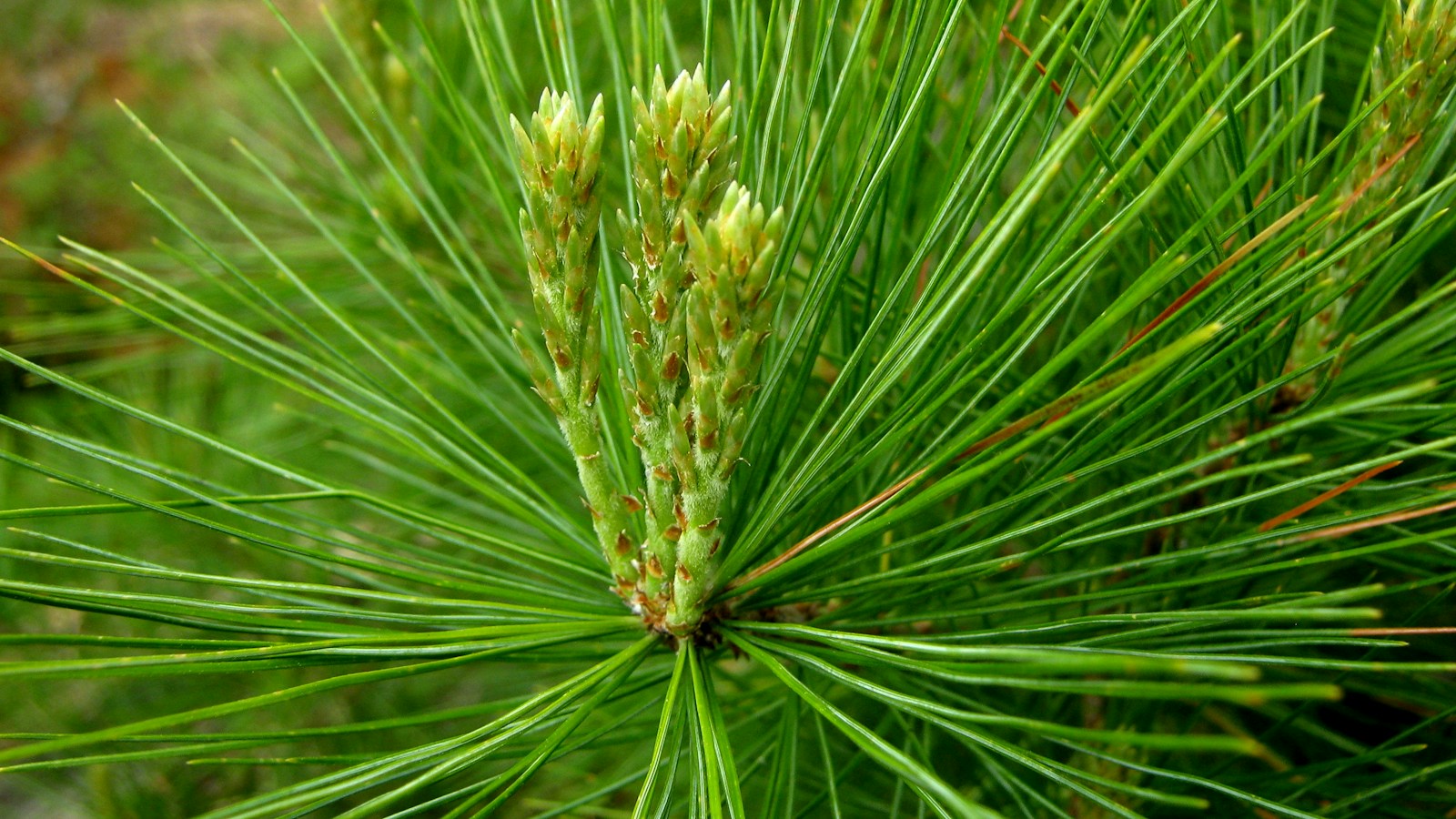
Eastern white pine (Pinus strobus) needles make a mild, citrusy tea. Identify white pine by its soft needles, 3 to 5 inches (8 to 13 cm) long, bundled in groups of five. Snip a handful of fresh green needles, chop them and steep them in hot water just off the boil. Do not boil them hard. Handle the kettle with care, and pour away from your body.
Only use a tree you can name with certainty. Yew (Taxus species) is a common evergreen hedge and landscape shrub, and nearly every part is deadly. Yew needles are flat and attached singly, not bundled. Avoid ponderosa pine, whose needles are toxic to livestock and are widely advised against. Norfolk Island pine is not a true pine at all. It is a houseplant, and it is not for tea.
Only eat a plant you have identified with complete certainty. Poison hemlock and water hemlock are carrot-family plants that look like wild carrot, yarrow and elder flower clusters, and a small amount can kill. Yew is also deadly and sometimes mistaken for other evergreens. If you have any doubt at all, leave it.
Common problems
Nettle stings on your hands or arms
Nettle hairs get through thin gloves and bare wrists. Wear thick gloves and tuck them over your sleeves. If you are stung, wash the skin with soap and cool water and avoid rubbing. The tingling usually fades within a day.
Spring greens taste bitter or tough
The plant has started to flower or the weather has turned hot. Dandelions and garlic mustard are best before flowering, and nettle before it grows tall. Pick earlier next year, or blanch bitter greens briefly in boiling water before cooking. Take care with the boiling pot.
Elderberries cause an upset stomach
The berries were raw or underripe, or bits of stem went into the pot. Discard any green berries and strip the stems fully. Always cook elderberries all the way through before eating.
Rose hip tea feels scratchy
Seed hairs got through. Strain the tea through a doubled cloth or a paper coffee filter. For jam, remove every seed before cooking.
Roots are woody or stringy
You dug them at the wrong time or from old plants. Dig dandelion roots after frost or in early spring. Only dig burdock in its first year, when it has no flower stalk.
What to do next
Pick one plant per season and learn it through a whole year: leaf, flower, seed and dead stalk. Mark the best patches in your notebook as you find them. Next, dry some of your harvest for winter tea. Follow a guide to harvesting and drying herbs so your nettle, clover and bergamot keep their flavor.