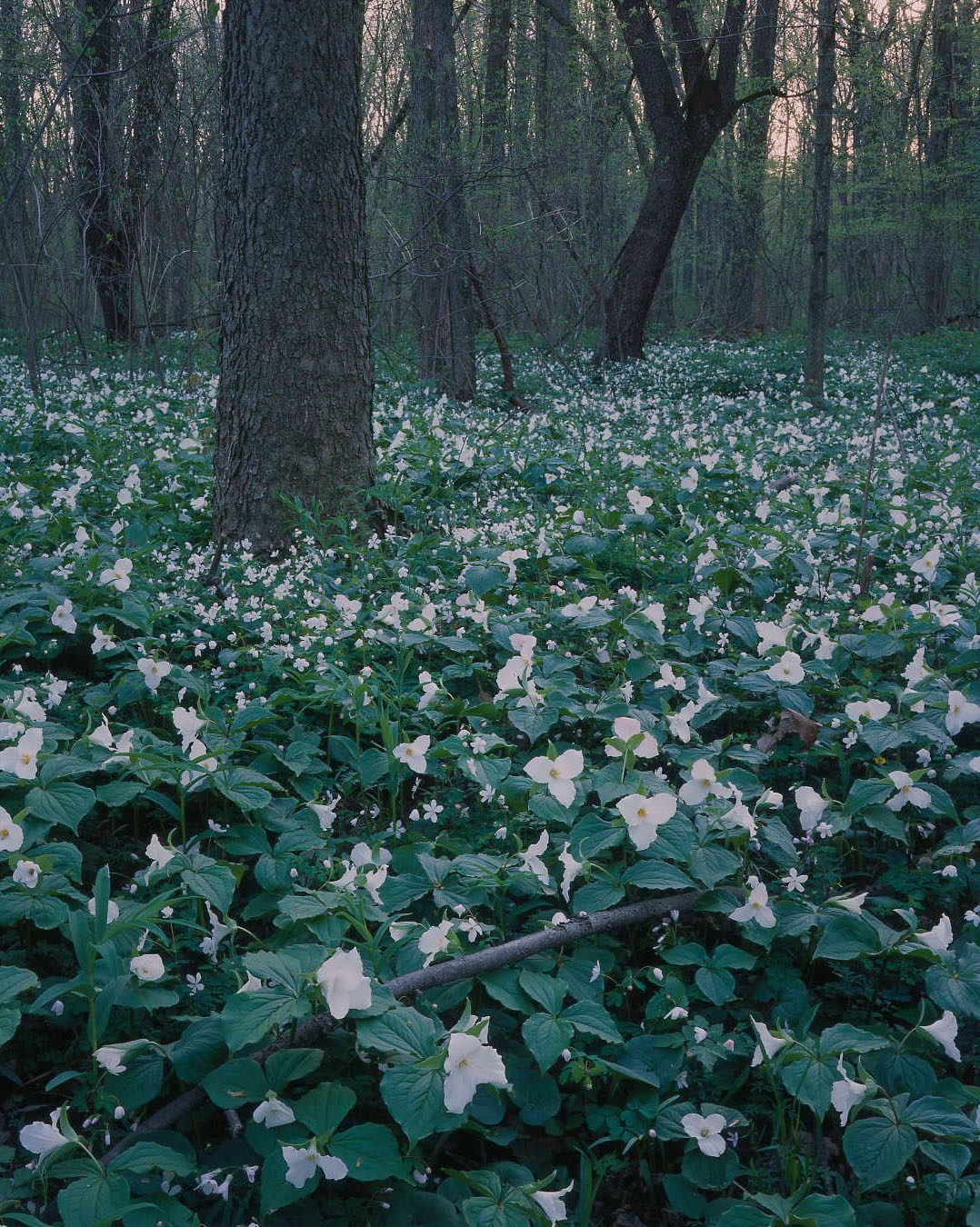
A small bed of old mountain herbs brings history, scent and pollinators into your yard. This guide walks you through planting eight easy ones: catnip, peppermint, sage, boneset, horsemint, mullein, comfrey and garlic. The one thing that matters most is matching each plant to the moisture it likes. Build the bed with a dry end and a damp end, and the rest is simple.
This bed is a piece of living history, not a medicine cabinet. Comfrey and boneset contain compounds that can damage the liver, and several old remedies were unsafe. Do not make teas or home treatments from these plants. Nothing in this guide is medical advice, so see a health professional about any health concern.
What you need
- A site with at least six hours of sun, or sun with light afternoon shade
- Space of roughly 4 by 10 feet (1.2 by 3 m)
- Young plants of catnip, sage, boneset and comfrey
- One peppermint plant and a pot at least 12 inches (30 cm) wide, with drainage holes
- Seed of horsemint (Monarda punctata) and common mullein
- One or two heads of seed garlic
- Compost, plus coarse sand or fine gravel for the dry end
- A spade, garden fork, rake, trowel and gloves
- Mulch such as shredded leaves or straw
When to plant
Plant the perennials in spring, once the soil is workable and hard frosts are past. Nursery plants raised under cover have soft growth, so set those out after your last expected frost. Early fall also works, as long as plants get six weeks to root before the ground freezes.
Sow mullein and horsemint in spring, around your last frost date. Garlic is the exception. Plant cloves in fall, about three to six weeks before the ground usually freezes. In very mild winters, plant in late fall and expect smaller bulbs.
Most of these plants are hardy in USDA zones 4 to 8. Sage can struggle in wet winters at the cold end of that range. In hot zones 8 and 9, afternoon shade helps everything except horsemint and mullein.
Step 1: Mark out the bed and its two ends
Choose a spot with a slight slope, or where one end sits nearer a downspout or low ground. That end becomes the damp end. Mark the outline with string or a hose. Keep the bed no wider than 4 feet (1.2 m) so you can reach the middle from either side.
Mountain families did grow or gather every plant here. In Folk Medicine in Southern Appalachia, Anthony Cavender records catnip tea for fretful babies and sleepless adults. He lists boneset and horsemint for fevers and colds, and mullein leaf for coughs. Peppermint was taken for an upset stomach, comfrey was laid on sprains, and garlic was taken for colds. Sage and garlic, of course, still earn their place in the kitchen.
Plan the layout before you dig:
| Position | Plants | Why |
|---|---|---|
| Dry end | Sage, horsemint, mullein | Need sharp drainage and full sun |
| Middle | Catnip, garlic, peppermint pot | Happy in average garden soil |
| Damp end | Boneset, comfrey | Like moist, rich ground |
Put the tall plants at the back, or on the north side. Mullein can reach 6 feet (1.8 m) in flower. Boneset and comfrey grow 3 to 5 feet (0.9 to 1.5 m). Sage, horsemint and garlic stay lower and belong at the front.
Step 2: Prepare the soil
Strip off any turf and remove perennial weed roots. Loosen the soil to a spade's depth, about 10 inches (25 cm), with a fork. Do not work soil that is wet enough to stick to your boots.
Treat the two ends differently. At the dry end, mix in coarse sand or fine gravel and mound the soil 4 to 6 inches (10 to 15 cm) higher. Add little or no compost there. Sage, horsemint and mullein grow sturdier in lean soil. In the middle and at the damp end, spread 2 inches (5 cm) of compost and fork it in.
Rake the surface level within each zone. If you have heavy clay, raise the whole bed a few inches and keep the mound at the dry end. Most of these herbs accept a wide soil pH range, so a soil test is useful but not essential.
Step 3: Sink the peppermint pot
Peppermint spreads by runners (creeping stems that root as they travel). Planted in open ground, it takes over a small bed within a few seasons. A pot keeps it in check.
Fill the pot with a mix of garden soil and compost, and plant the peppermint in it. Dig a hole in the middle zone and sink the pot to within 2 inches (5 cm) of its rim. That raised lip stops runners from escaping over the top. You can also just stand the pot on the surface, where it dries out faster and needs more water.
Twice each season, lift the pot and trim any roots that escape through the drainage holes. Cut off stems that arch over and touch the soil. Every two or three years, tip the plant out, divide it and replant one piece in fresh soil.
Step 4: Set out the perennial plants
Water all the plants in their pots an hour before planting. Put on gloves, since comfrey leaves are bristly. Set each plant at the same depth it grew in its pot, firm the soil and water it in.
- Sage: dry end, front. Space 18 to 24 inches (45 to 60 cm) apart.
- Catnip: middle. Allow 18 to 24 inches (45 to 60 cm). Cats may roll on young plants, so cover them with an upturned wire basket for the first weeks.
- Boneset: damp end, back. Allow 24 inches (60 cm). This native wildflower carries flat white flower heads in late summer.
- Comfrey: damp end corner. Allow 36 inches (90 cm).
Choose comfrey's spot with care. It has deep, brittle roots, and any piece left in the soil grows a new plant. Once it is in, treat it as permanent. Never rototill near it, because that spreads root pieces across the bed.
Step 5: Sow the horsemint and mullein
Both plants grow easily from seed, and both seeds need light to sprout. Rake a patch at the dry end smooth. Scatter the seed thinly and press it onto the surface with your palm. Do not cover it. Mist it gently and keep it moist until seedlings show, usually within two to three weeks.
Thin horsemint to 12 inches (30 cm) apart. It is a short-lived perennial that often reseeds itself. Its tiered flowers with pinkish bracts (petal-like leaves) draw many bees and wasps.
Thin mullein to two or three plants, 24 inches (60 cm) apart. Mullein is a biennial, which means it lives two years. The first year it makes a flat rosette of woolly leaves. The second year it sends up a tall yellow flower spike, sets seed and dies. It has a long taproot and resents moving, so sow it where it will stay. The leaf hairs can irritate skin, so wear gloves when you handle it.
Step 6: Plant the garlic in fall
Leave a clear strip in the middle zone for garlic, about 1 by 3 feet (30 by 90 cm). Until fall, fill it with a quick crop such as lettuce, or just mulch it.
When planting time comes, break the heads into cloves on the same day. Leave the papery skins on. Push each clove in with the pointed end up, so the tip sits about 2 inches (5 cm) below the surface. Space cloves 6 inches (15 cm) apart. Water once, then cover with 3 to 4 inches (8 to 10 cm) of straw or shredded leaves after the first hard frosts.
Shoots push through the mulch in early spring. Harvest the following summer, when the lower third to half of the leaves have turned brown. Hardneck types suit cold winters, while softneck types do better in mild ones. Buy seed garlic rather than grocery bulbs, which may be treated to stop sprouting.
Common problems
Sage turns woody, then dies over winter
The cause is usually wet soil around the roots, not cold alone. Make sure the dry end is truly mounded and gritty. Do not cut sage back hard in fall. Trim it lightly in spring once new growth shows, and replace plants every four or five years.
White powdery coating on leaves
This is powdery mildew, a fungal disease. It often shows up on horsemint, boneset and catnip in late summer. Crowding and dry roots make it worse. Thin the plants for better airflow and water at the base, not over the leaves. Cut badly affected stems to the ground. The plants usually recover the next year.
Seedlings coming up everywhere
Mullein, catnip and horsemint all self-sow freely. One mullein spike can drop a huge amount of seed. Cut catnip back by half right after its first flowering. Remove most mullein spikes once the flowers fade, leaving one if you want replacements. Hoe out unwanted seedlings while they are small.
Comfrey or peppermint spreading beyond its spot
Comfrey spreads when its roots get chopped and scattered. Dig only outside its clump, and lift stray shoots with as much root as you can. For peppermint, check the pot rim and drainage holes, then cut off any escaped runners at once.
Catnip flattened or chewed to the ground
Neighborhood cats are the culprits. Established plants usually shrug it off, but young ones can die. Keep a wire cage over each plant until its stems are thick and woody at the base. Planting two clumps spreads the damage.
What to do next
In late fall, after hard frost, cut boneset, catnip and comfrey stems down to 4 inches (10 cm). Leave the sage and the mullein rosettes alone. Mulch the garlic strip. The next spring, top up the compost at the damp end only. Then divide any catnip or boneset clump that has outgrown its space.