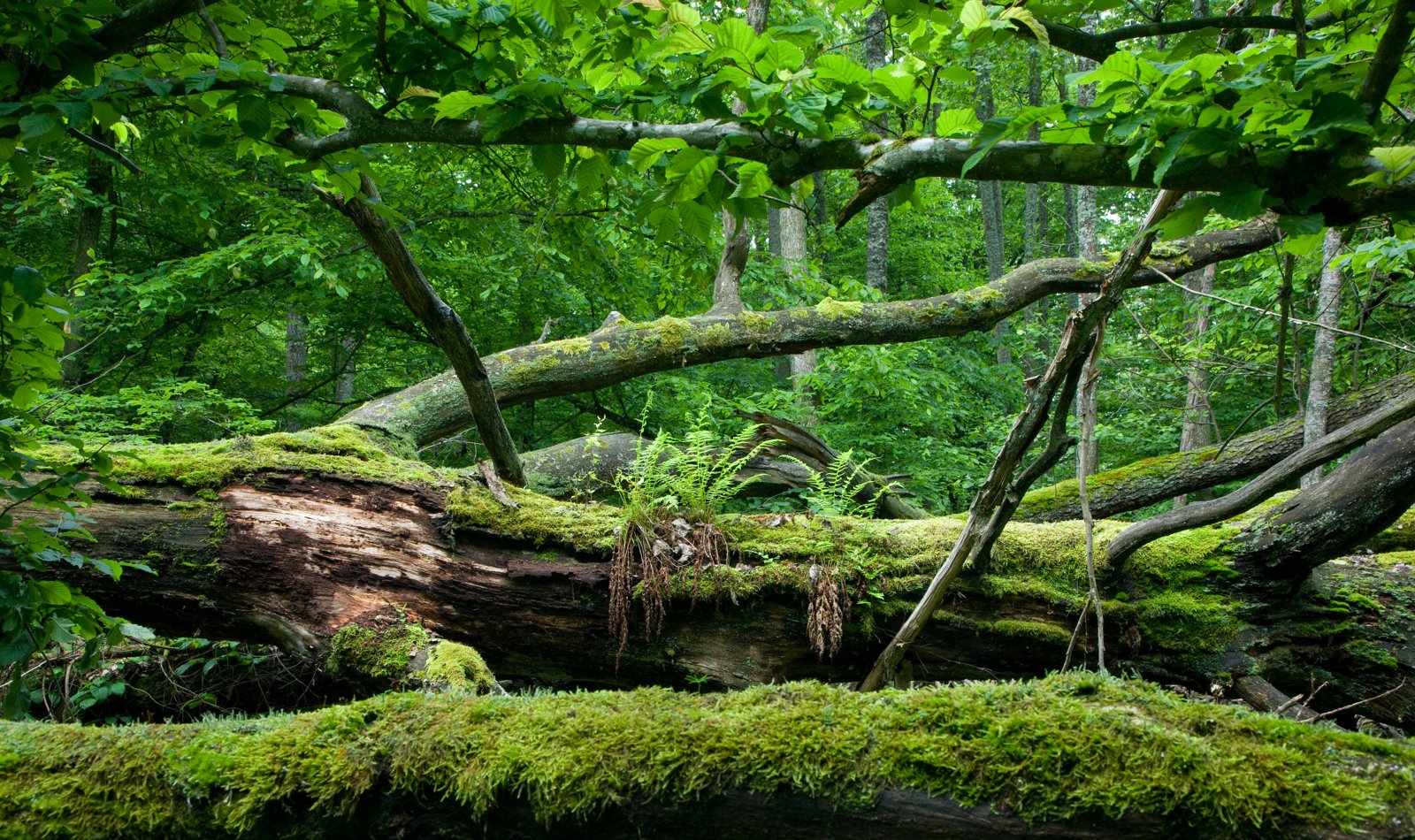
A ramp patch is a long project with a simple recipe. You copy a slice of hardwood forest floor, tuck in bulbs or seed, and then mostly leave it alone. This guide walks you through the job from bare ground to your first careful harvest. The site matters more than anything else. Ramps (Allium tricoccum) forgive slow gardeners, but they never forgive dry, sunny soil.
What you need
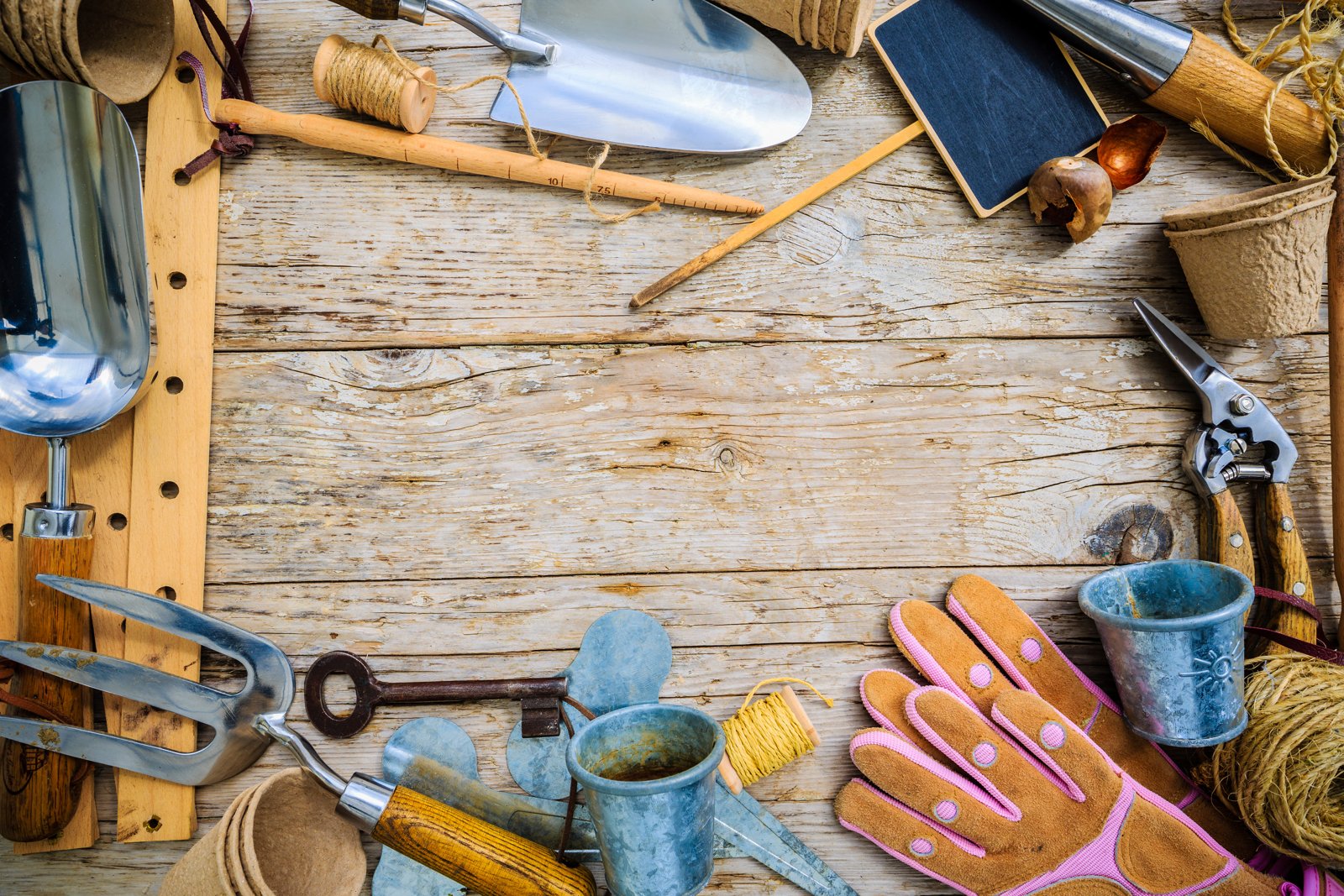
- A shady site under deciduous trees (trees that drop their leaves in autumn)
- Nursery-propagated ramp bulbs or transplants, fresh ramp seed, or both
- Leaf mold (fully rotted leaves) or well-rotted compost
- A garden fork and a hand trowel
- A rake for moving leaf litter
- Shredded hardwood leaves for mulch
- Durable plant markers or stakes
- A watering can or hose with a gentle rose
- A simple soil pH test kit, if you do not know your soil
When to start a ramp patch
Work with the plant's odd calendar. Ramps leaf out in early spring, die back as the tree canopy closes, and rest as bulbs through summer.
Plant bulbs in early spring, as soon as the soil thaws and can be worked. You can also plant them in autumn after the tops have died down. Plant leafy transplants in early spring only, while the weather is cool and damp.
Sow seed in late summer to early autumn, soon after it ripens. At that point the soil is still warm, and winter follows. The seed needs both, in that order.
Ramps grow best in USDA zones 3 to 7. In zone 7 and the warm end of their range, choose your coolest, dampest shade and plant in autumn. In zones 3 and 4, spring planting avoids frost heave, which is soil freezing and thawing until it pushes bulbs out.
Step 1: Choose a site that copies the forest floor
Walk your yard in early spring and again in summer. You want ground that gets sun through bare branches in spring and full shade once the trees leaf out. Maple, beech, birch, hickory, tulip poplar and basswood all make good cover. Skip ground under pines and other conifers. It tends to be dry, acidic and dark all year.
Check moisture next. Dig a small hole a day or two after rain. The soil should feel damp and crumbly, not dusty and not soupy. Low spots that hold puddles rot bulbs. A gentle north-facing or east-facing slope is ideal, because it stays cool and drains freely.
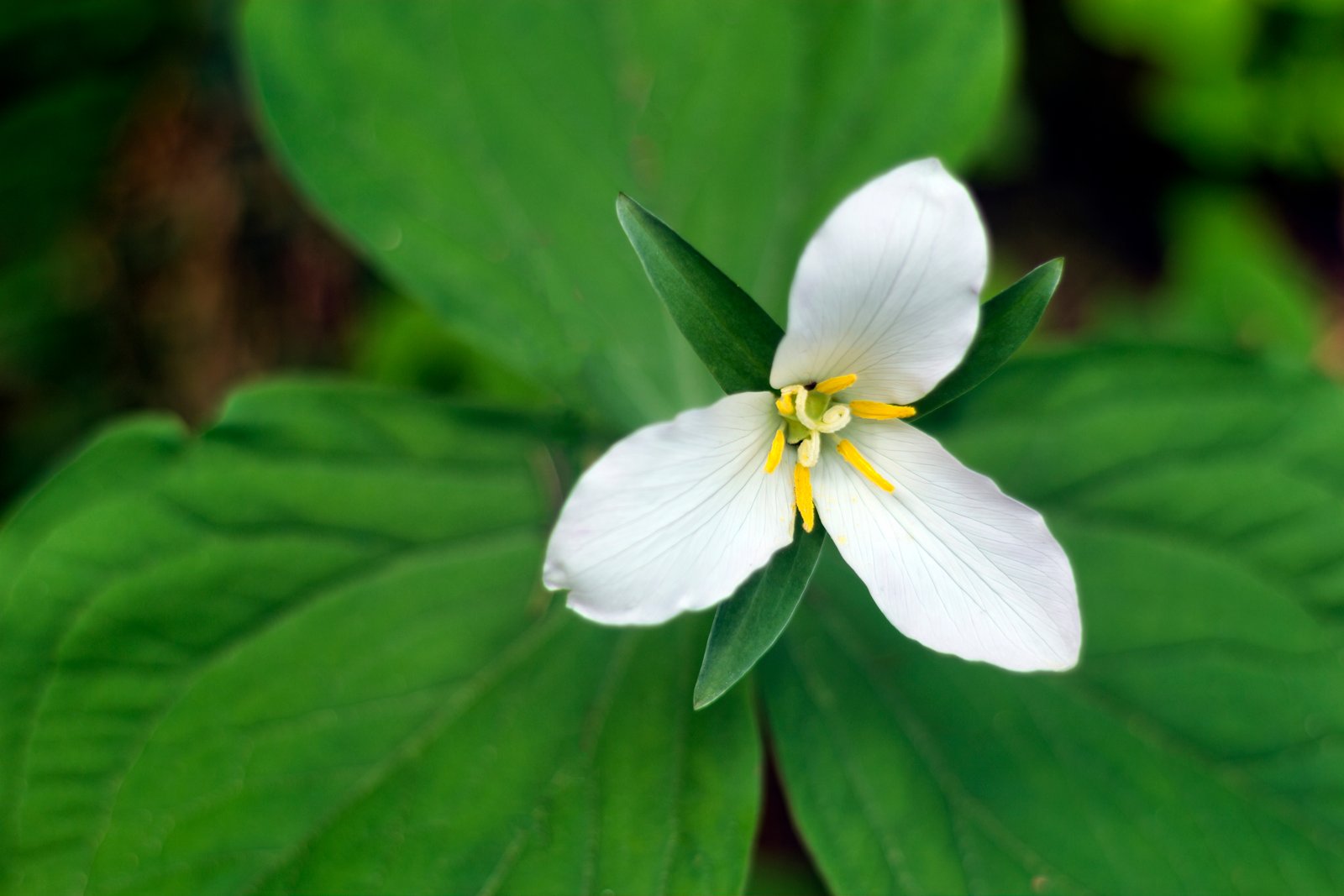
Look at what already grows there. Trillium, mayapple, Solomon's seal, wild ginger or ferns are good signs. Test the pH if you can. Ramps do well in slightly acidic to neutral soil, roughly pH 6 to 7.
Start small. A bed about 3 feet by 3 feet (1 m by 1 m) is enough for a first planting, and you can widen it later.
Step 2: Buy bulbs and seed from a grower
Decide how you want to start. Bulbs and transplants cost more but give you leaves to pick within a few years. Seed is cheap and lets you plant a large area, but it takes 5 to 7 years to reach harvest size.
Order from a nursery that states its stock is nursery-propagated or grown from cultivated seed. Ask the seller if the listing does not say. Bulbs should arrive firm and plump, with roots attached and no soft spots or mold. Seed should be from the most recent crop. Old, dried-out seed germinates poorly.
Never dig wild ramps to stock your patch. Wild populations are shrinking from overharvest, and digging is restricted or banned on many public lands. Buy nursery-propagated bulbs, transplants or seed, and check your state's rules before collecting anything from the wild.
Plan to plant within a day or two of delivery. If you must wait, keep bulbs in barely damp leaf mold somewhere cool. Do not let them dry out or sit in a sealed plastic bag.
Step 3: Prepare the bed without harming tree roots
Rake the existing leaf litter to one side and save it. You put it back at the end.
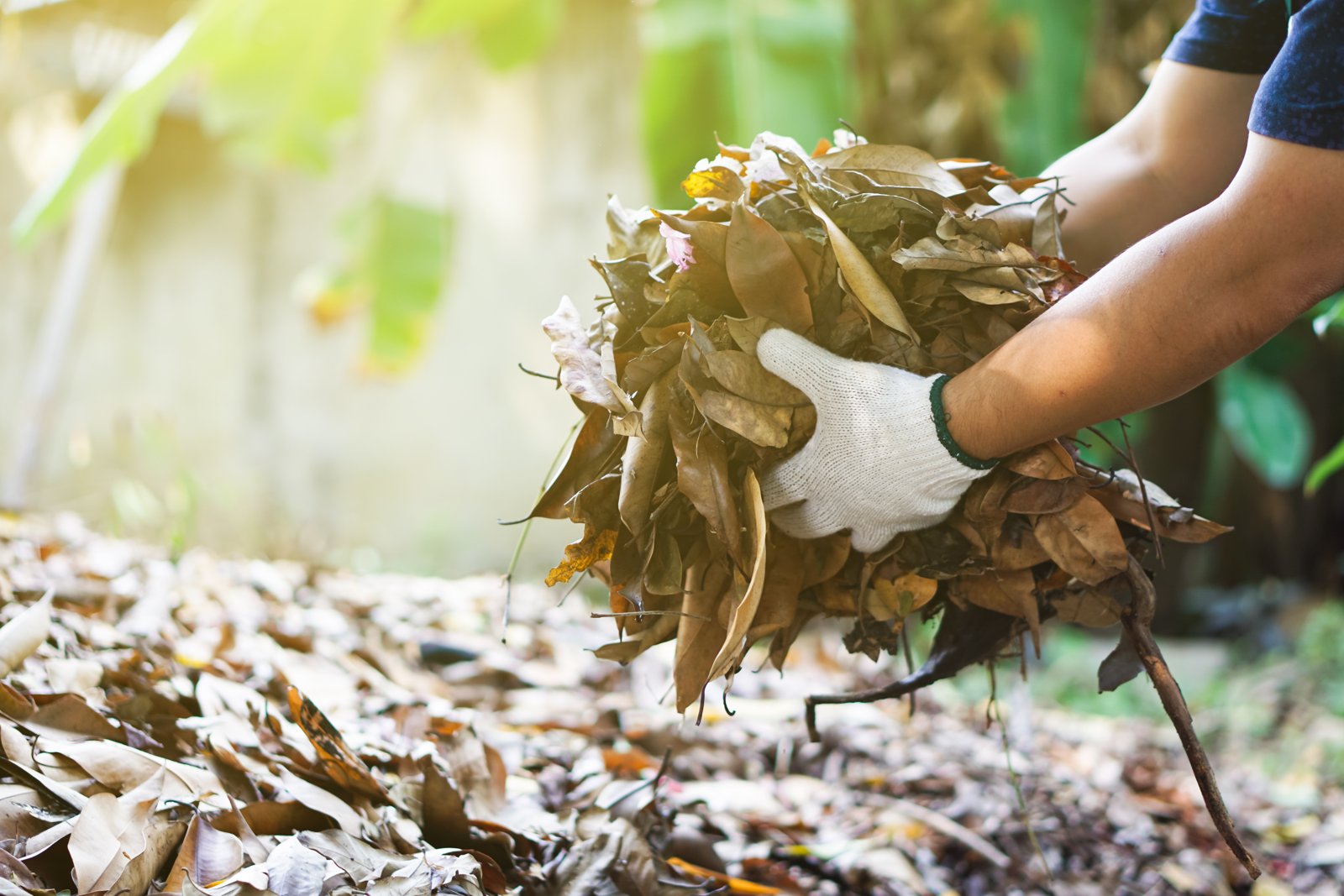
Pull out weeds, brambles and any ivy by hand. Then loosen the top 4 to 6 inches (10 to 15 cm) of soil with a garden fork. Work gently between tree roots rather than chopping through them. Do not use a rototiller. It tears up the feeder roots of your shade trees and wrecks the soil structure that ramps like.
Spread 2 to 3 inches (5 to 8 cm) of leaf mold or well-rotted compost over the surface. Fork it lightly into the loosened soil. Skip granular fertilizer. Woodland plants are adapted to the slow feed that rotting leaves supply.
If your soil is heavy clay, do not dig a deep pit and fill it with compost. That creates a sump that holds water. Instead, build the bed up a few inches above the clay with leaf mold and topsoil mixed together.
Step 4: Plant bulbs and transplants
Make holes with a trowel, 4 to 6 inches (10 to 15 cm) apart in each direction.
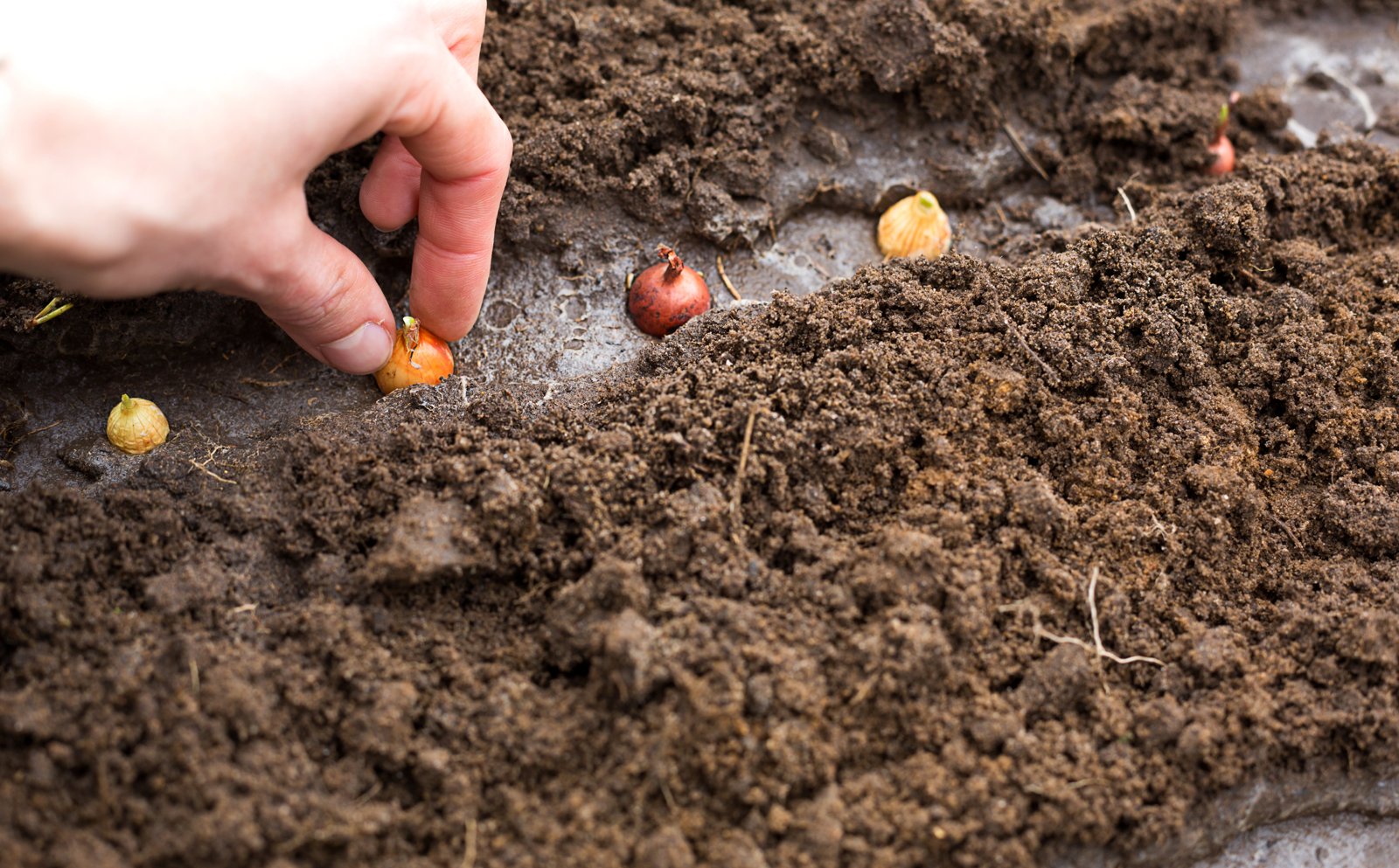
Set each bulb upright with the roots spread out below it. Plant it about 3 inches (8 cm) deep, so the pointed tip sits right at the soil surface. Planting much deeper than that slows emergence. Firm the soil around each bulb with your fingers to remove air pockets.
Handle leafy transplants with more care. Keep the roots covered and damp until the moment they go in the ground. Plant them at the same depth they grew before, which you can usually see as a color change on the stem. Expect the leaves to flop for a few days. They often yellow early in the first year, and that is normal. The bulb is settling in below ground.
Water the whole bed slowly until the soil is wet to the depth of the bulbs. Push a marker in at each corner of the planting.
Step 5: Sow seed for the long term
Ramp seed has double dormancy (two separate resting stages that must each be broken). First it needs a warm, moist period, during which the root starts to grow. Then it needs a cold period before it can send up a leaf. Seed sown in late summer often gets both in one cycle and sprouts the next spring. If the warm spell is too short, the seed waits for another full round. Germination can take anywhere from 6 to 18 months.
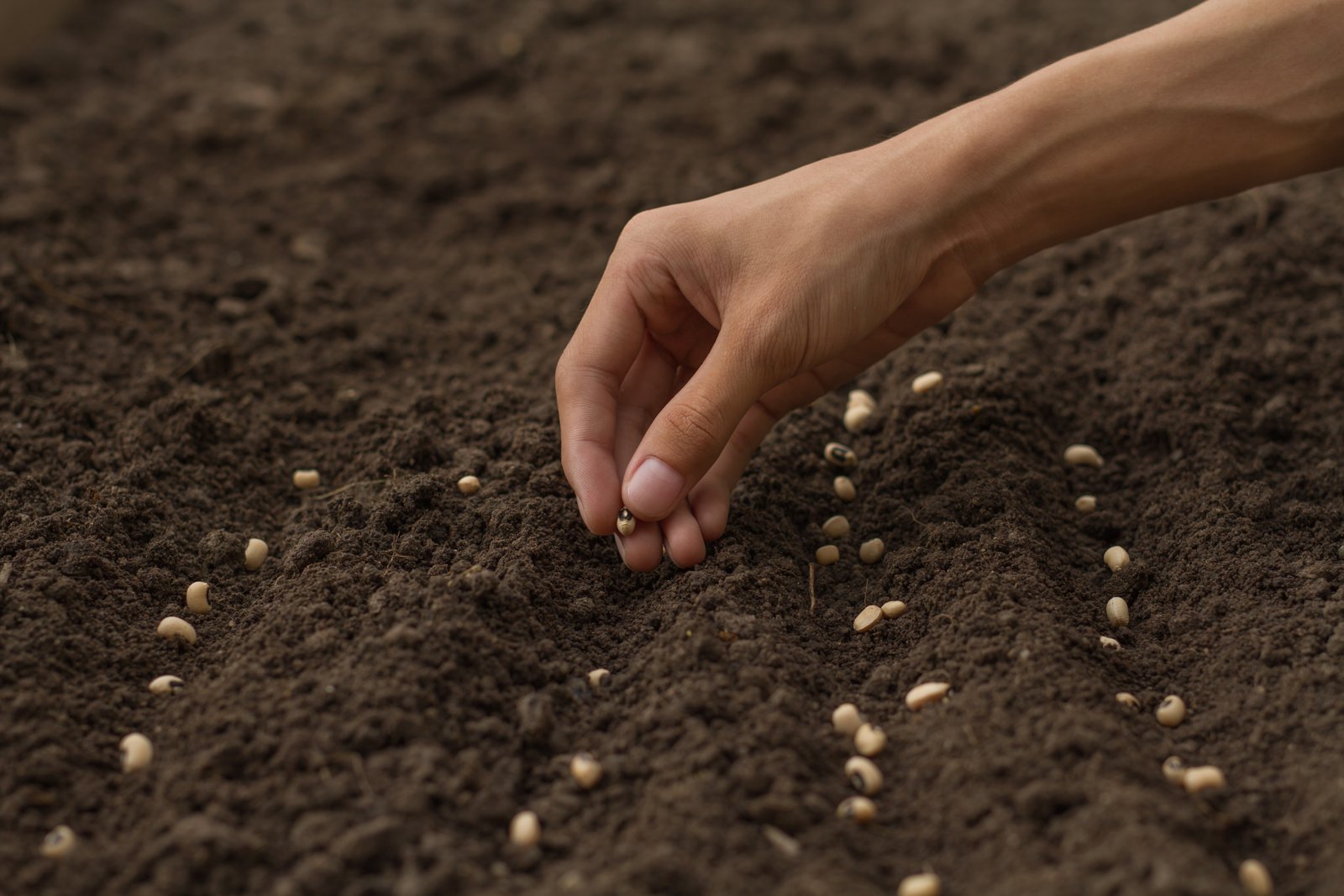
Rake the leaf litter aside so you can see bare soil. Scatter seed thinly, aiming for about 1 inch (2.5 cm) between seeds. Press each seed firmly into the surface with your palm or the back of a rake. Good contact with damp soil matters more than depth. Do not bury seed deeply.
Cover the area with 1 to 2 inches (2.5 to 5 cm) of shredded leaves. Water gently. Then mark the seeded area on all sides, because nothing visible happens for a long time. Keep the seedbed damp through the first autumn. Seed that dries out during its warm period may die or reset its clock.
First-year seedlings are single narrow blades, much like grass. Learn to spot them before you weed.
Step 6: Mulch and keep the bed damp
Pull the saved leaf litter back over the planted bed. Top it up with shredded hardwood leaves until the layer is 2 to 3 inches (5 to 8 cm) deep over bulbs. Keep it a little thinner over seed. Shredded leaves work better than whole ones. Whole leaves, especially oak, can pack into a wet mat that small shoots cannot pierce.
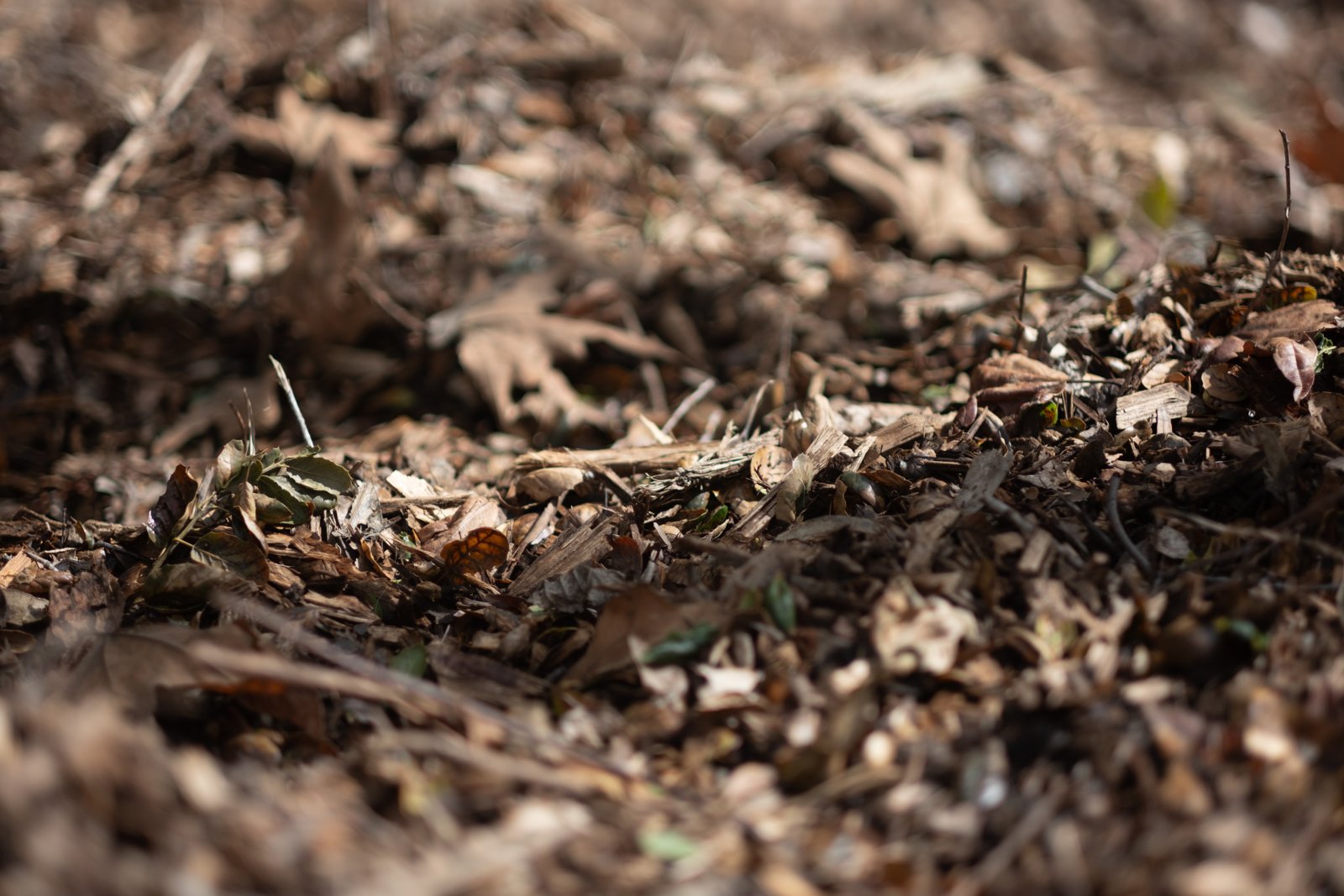
Leaf mulch does several jobs at once. It holds moisture, keeps the soil cool, feeds the bed as it rots and buffers bulbs against frost heave. Renew it every autumn.
Water during dry spells while the leaves are green in spring. After the plants go dormant, water only in a long drought. Pull weeds by hand when they are small. Never hoe, because the bulbs and seedlings sit close to the surface. Keep foot traffic off the bed.
Step 7: Harvest one leaf per plant
Give the patch time before you take anything. Planted bulbs usually need two or three springs to settle and thicken. Seed-grown plants need 5 to 7 years to reach full size. A plant is mature when it carries two or three broad leaves.
When the patch is ready, take one leaf from each mature plant and leave the bulb in the ground. Cut the leaf stem just above soil level with a sharp knife or scissors. Handle blades with care and cut away from your fingers. The remaining leaf keeps feeding the bulb, so the plant returns next spring at full strength.
Skip any plant with only one leaf. Skip the whole patch in a year when plants look small or stressed. Let flower stalks stand and drop their seed, which is how the patch spreads.
Ramps have a long history as a spring food in the southern Appalachians. Anthony Cavender's Folk Medicine in Southern Appalachia notes that mountain families ate them with other early greens as a seasonal tonic thought to cleanse the blood. That is folk history only. This article is not medical advice, and ramps here are a kitchen crop.
Common problems
Nothing comes up from seed the first spring
This is usually double dormancy at work, not failure. The seed may not have had a long enough warm, moist period before winter. Keep the bed mulched, damp and clearly marked. Wait through a second spring before you judge the sowing. If squirrels or birds have scratched the bed bare, re-cover it with leaves and lay wire mesh flat over the top.
Leaves turn yellow and vanish by late spring
Ramps are spring ephemerals, meaning plants that finish their growth before the canopy closes. Yellowing as the trees leaf out is normal. Leaves that scorch and brown in mid spring point to too much sun or dry soil. Water deeply, add mulch and consider moving the bulbs to deeper shade in autumn.
Bulbs rot or fail to return
Soft, foul-smelling bulbs mean the soil stays too wet. Standing water in winter is the usual cause. Lift any firm survivors while dormant and replant them on higher ground or in a built-up bed. Do not water a dormant bed unless the soil is truly dry.
Bulbs sit on the surface after winter
Frost heave has lifted them. Press each bulb gently back to its original depth as soon as the soil thaws. Then restore the mulch to a full 2 to 3 inches (5 to 8 cm). A steady leaf layer is the best prevention.
The patch stays thin and never spreads
Overpicking is the most common reason. Taking bulbs, or more than one leaf per plant, weakens the patch faster than it can regrow. Stop harvesting for two or three years. Let all seed fall, keep the leaf mulch deep and check that the bed still gets spring sun through bare branches.
What to do next
Once clumps are crowded, usually after four or five years, divide them to widen the patch. Lift a clump in early spring just as the leaves emerge. Tease the bulbs apart and replant them at once at the same depth. Collect some ripe black seed in late summer and sow it along the edges of the bed.