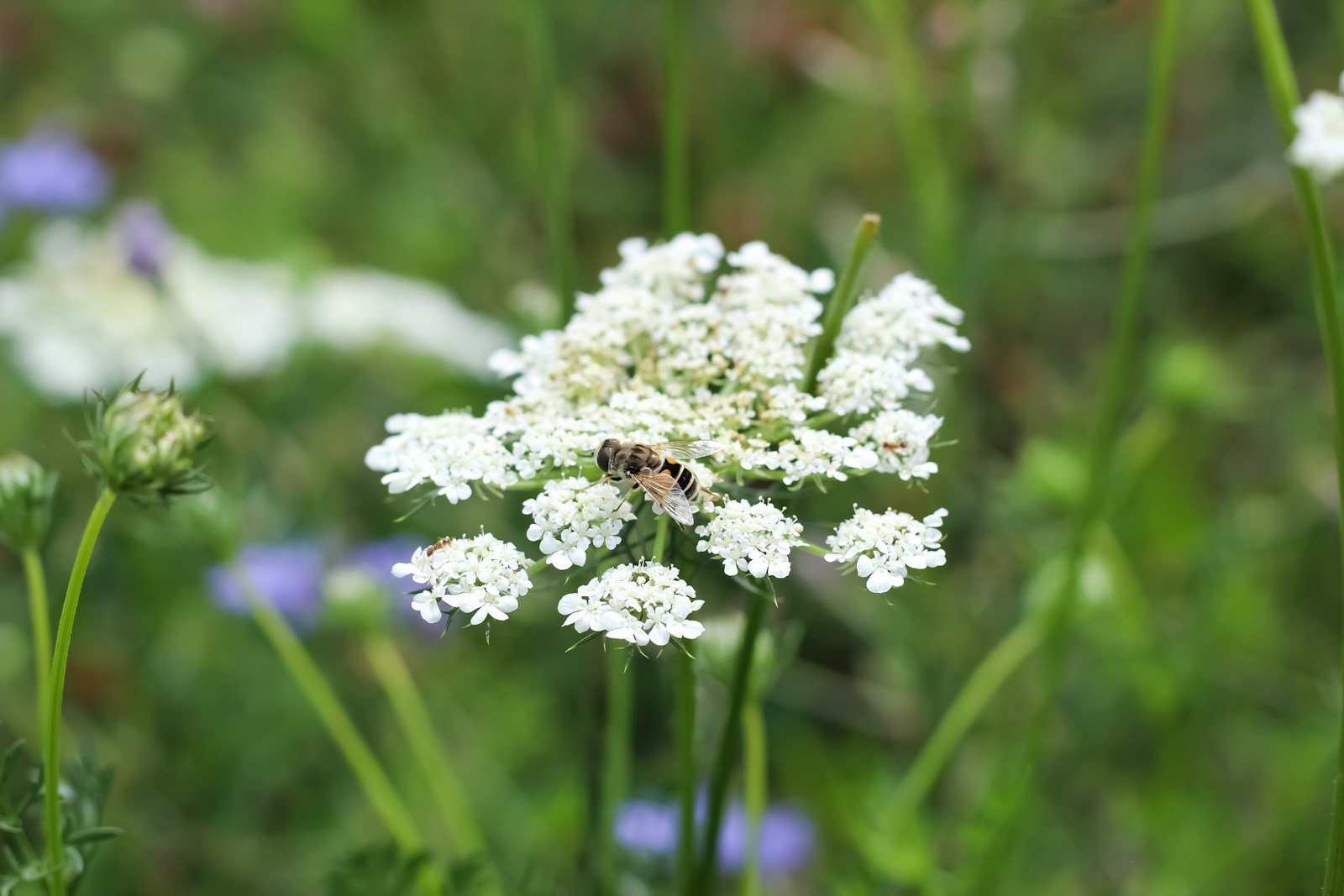
Several useful wild plants have poisonous twins that grow in the same places. You learn to check a set of features on every plant, one pair at a time. The rule that matters most: never trust a single clue. A plant is only safe when every feature matches and nothing looks wrong.
What you need
- Two regional field guides with clear photos and botanical names
- Waterproof gloves, long sleeves and long pants
- A hand lens (a small magnifier) for stem hairs and leaf veins
- Paper bags, one per plant type, so nothing gets mixed
- Soap, water and a towel for washing hands between plants
- A phone camera to photograph whole plants, stems, leaves and roots
- Your local extension office contact, for plants you cannot name
- The US Poison Help line saved in your phone: 1-800-222-1222
When to check plants
Start in early spring, before the tree canopy closes. Ramps and their look-alikes appear then, and first-year rosettes (flat circles of leaves at ground level) of hemlock, foxglove and mullein are easy to find. Chickweed grows best in cool weather, from autumn through spring in mild areas. Carrot-family plants and elderberry flower from late spring into summer, and elderberries ripen from late summer into autumn.
Timing shifts with your climate. In USDA zones 3 to 5 everything runs a few weeks later than in zones 7 to 9. Some plants are regional. Ramps are native to eastern North America, and death camas grows mainly in the West. Learn each plant through a full season, from rosette to seed, before you harvest it.
If you are not 100% sure what a plant is, do not eat it or touch it. Carrot-family look-alikes such as poison hemlock and water hemlock can kill.
Step 1: Separate wild carrot from poison hemlock
Wild carrot (Queen Anne's lace, Daucus carota) and poison hemlock (Conium maculatum) both carry flat white flower clusters on lacy leaves. Put gloves on before you touch either, because hemlock sap can irritate skin.
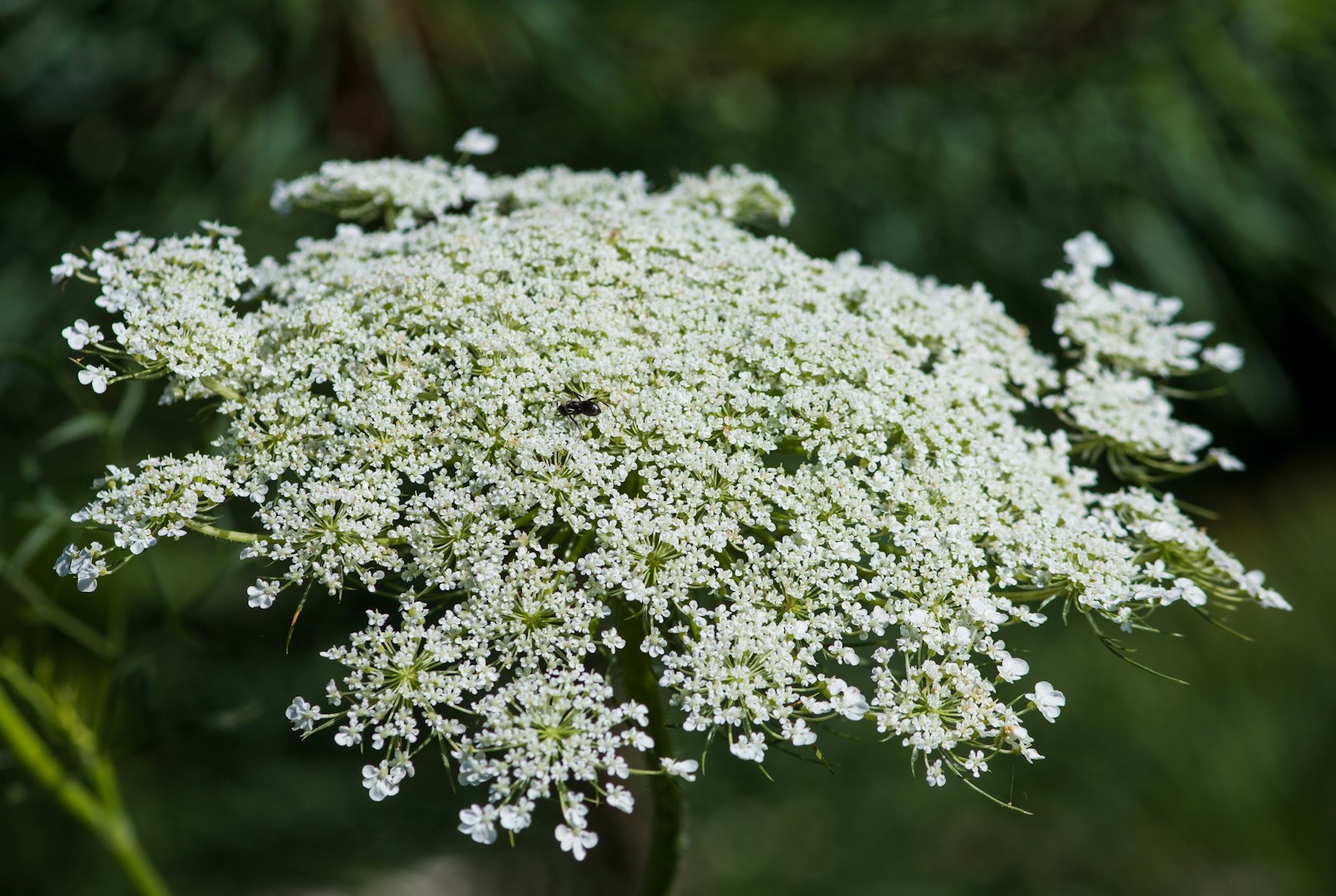
Check the stem first. Wild carrot has a green stem covered in fine hairs. Poison hemlock has a smooth, hairless, hollow stem, usually marked with purple streaks or blotches. On young hemlock these marks can be faint, so feel for hairs as well.
Then check size and leaves. Wild carrot usually stays under about 3 feet (90 cm). Hemlock often reaches 3 to 6 feet (90 to 180 cm) and has glossy, fern-like leaves. A crushed wild carrot smells of carrot, while hemlock is usually described as musty. Many wild carrot flower heads have one dark floret in the center, but not all do. Treat every one of these as a supporting clue, never proof on its own.
Step 2: Rule out water hemlock
Water hemlock (Cicuta species) is among the most toxic plants in North America. It grows in wet ground: ditches, stream banks, marshes and wet meadows. Treat any white-flowered carrot-family plant in a wet spot as suspect.
Look at the leaflets. They are toothed, and the side veins usually run to the notches between the teeth, not to the tips. The stem is hollow, often streaked with purple, and divided by cross-walls at the joints. At the base sit thick roots with chambers inside.
Never cut into the root to check those chambers. The roots are the most poisonous part, and the whole plant is toxic. If a carrot-family plant grows in wet ground and you cannot rule out water hemlock, leave it alone.
Step 3: Confirm elderberry, not pokeweed or hemlock
Elderberry (Sambucus species) also has flat, creamy-white flower clusters, so compare the whole plant. Elderberry is a woody shrub with bark-covered stems. Its leaves grow in opposite pairs, each split into several toothed leaflets, often seven. Water hemlock has no woody stems at all.
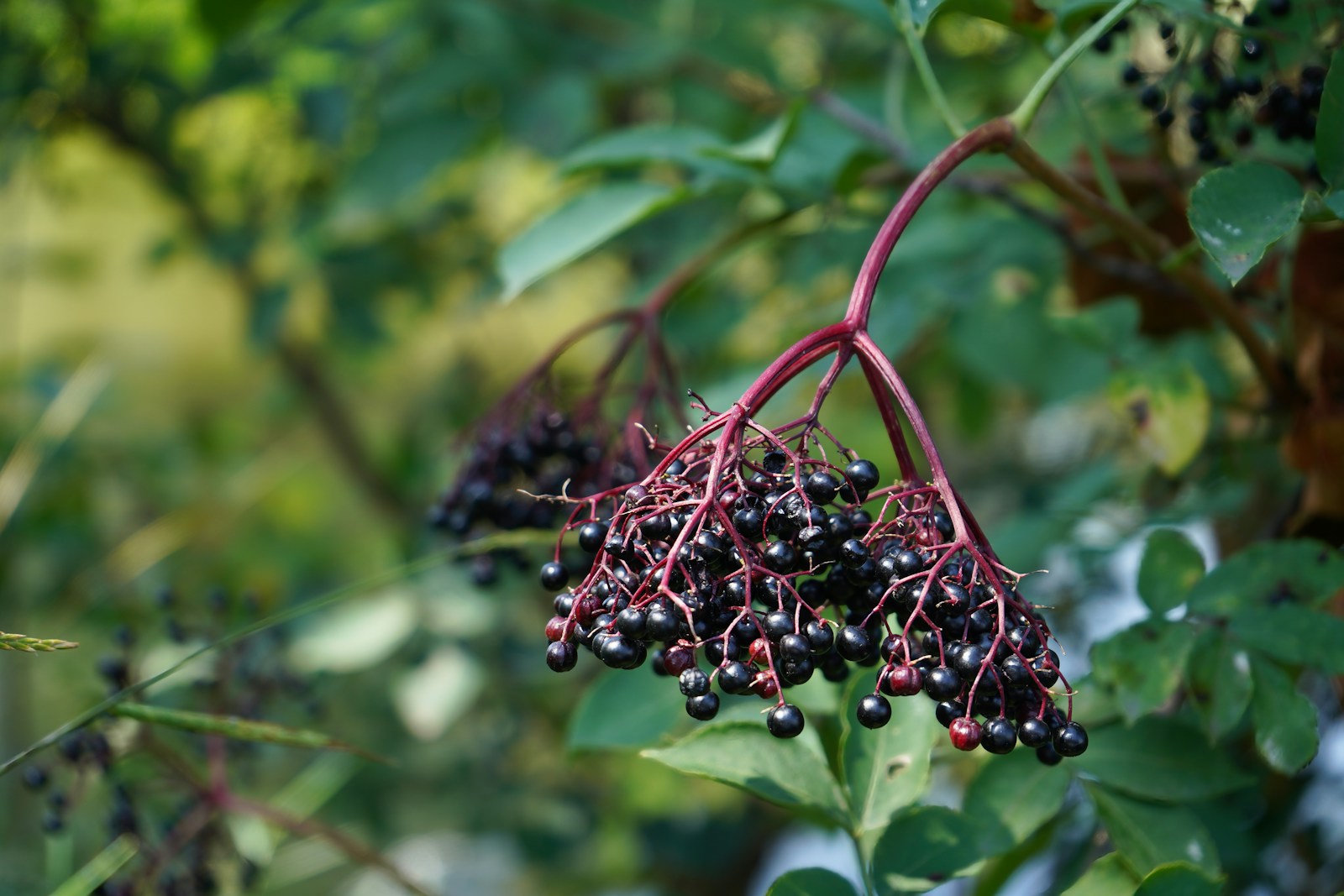
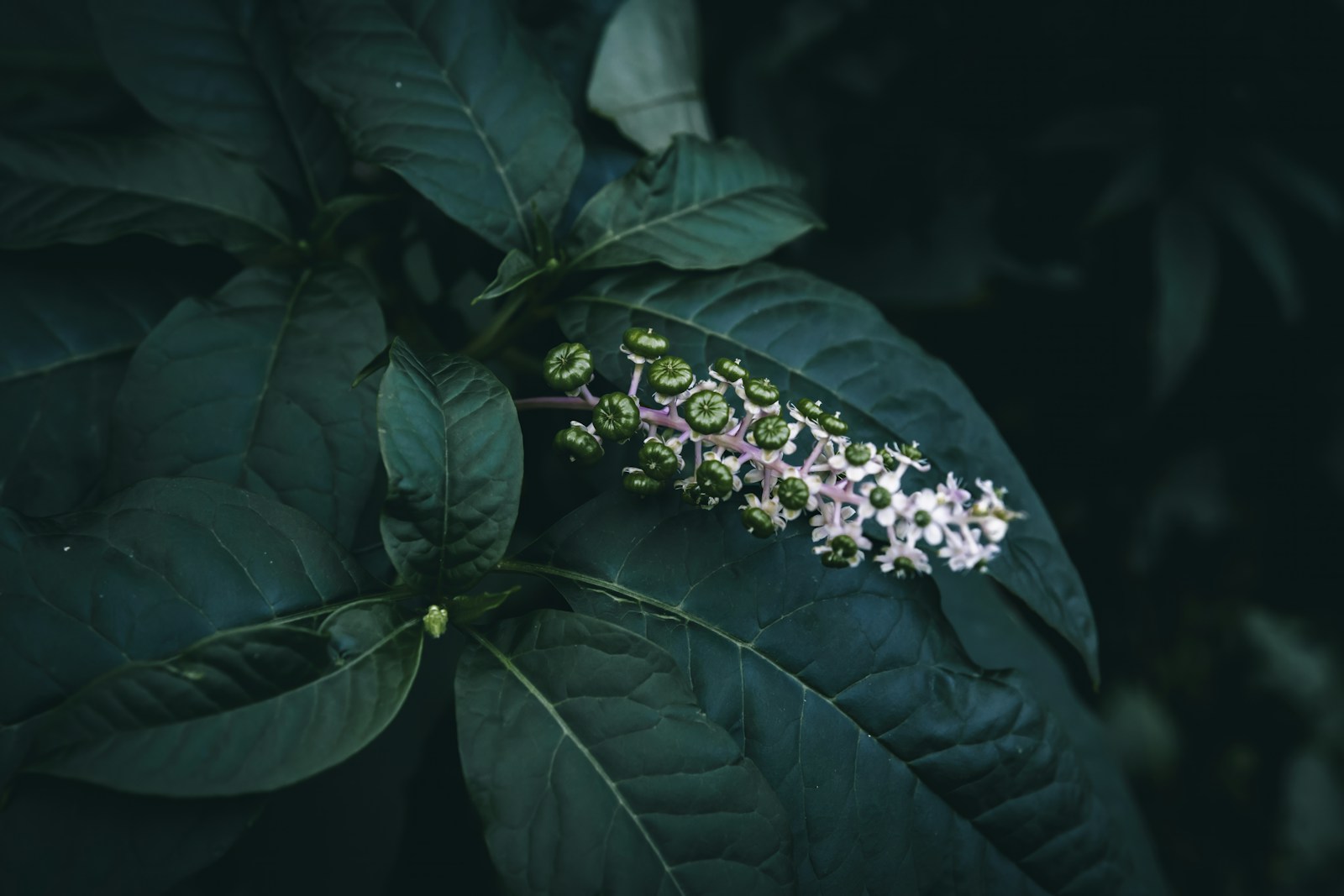
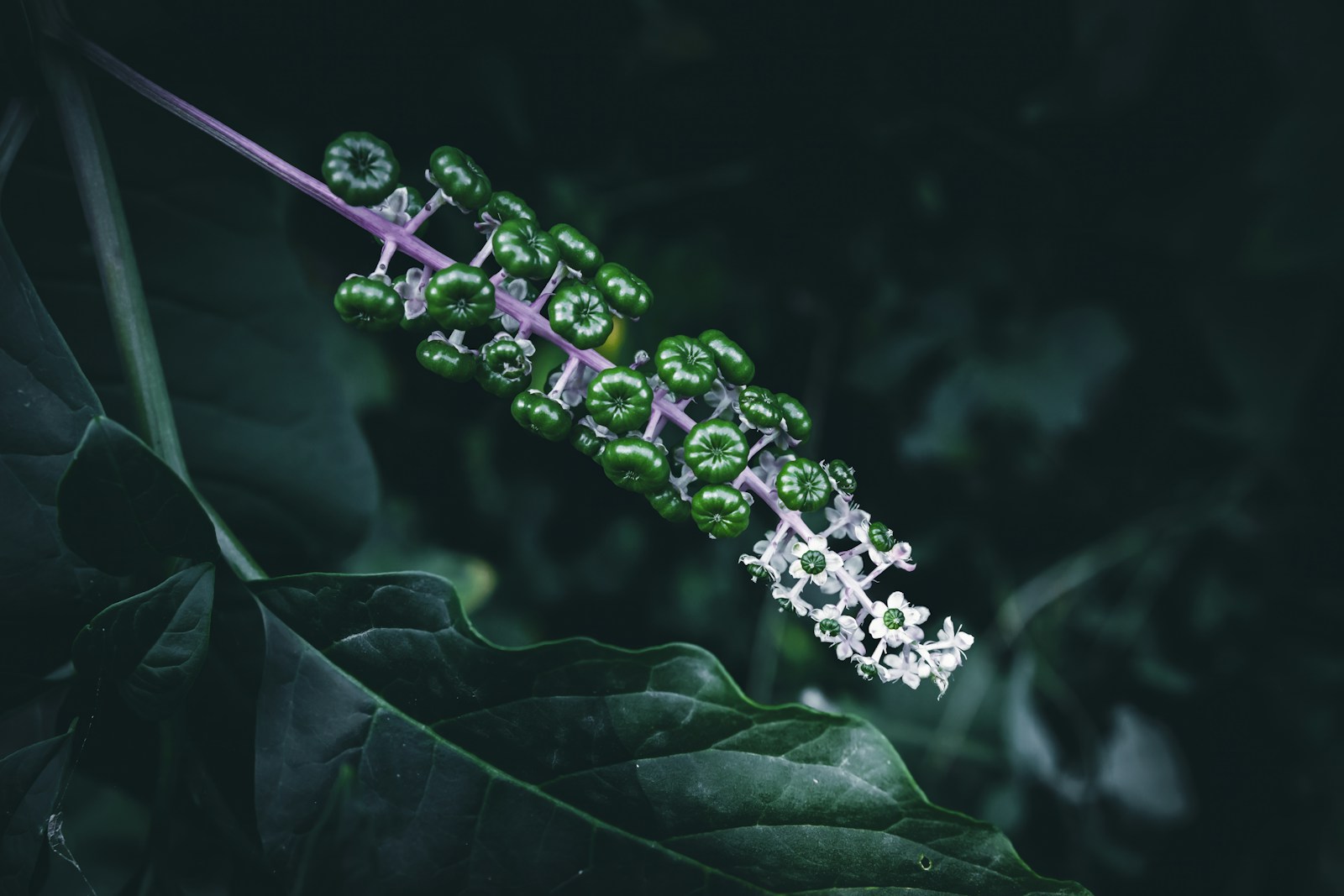
When berries form, watch for pokeweed (Phytolacca americana). Pokeweed is a non-woody plant with thick, smooth stems that turn magenta to purple. Its glossy dark berries hang in long, drooping, finger-like strings. Elderberries grow in broad, flat or domed clusters of small dark berries on branching stalks.
Every part of pokeweed is poisonous. Elderberry is not safe raw either. Stems, leaves and unripe berries are toxic, and ripe berries need thorough cooking. Wear gloves when handling pokeweed.
Step 4: Smell-test ramps and wild garlic the right way
Ramps (Allium tricoccum) and wild garlic, also called ramsons (Allium ursinum), have broad, smooth leaves. Each leaf rises on its own stalk from a small bulb. A crushed leaf smells strongly of onion or garlic.
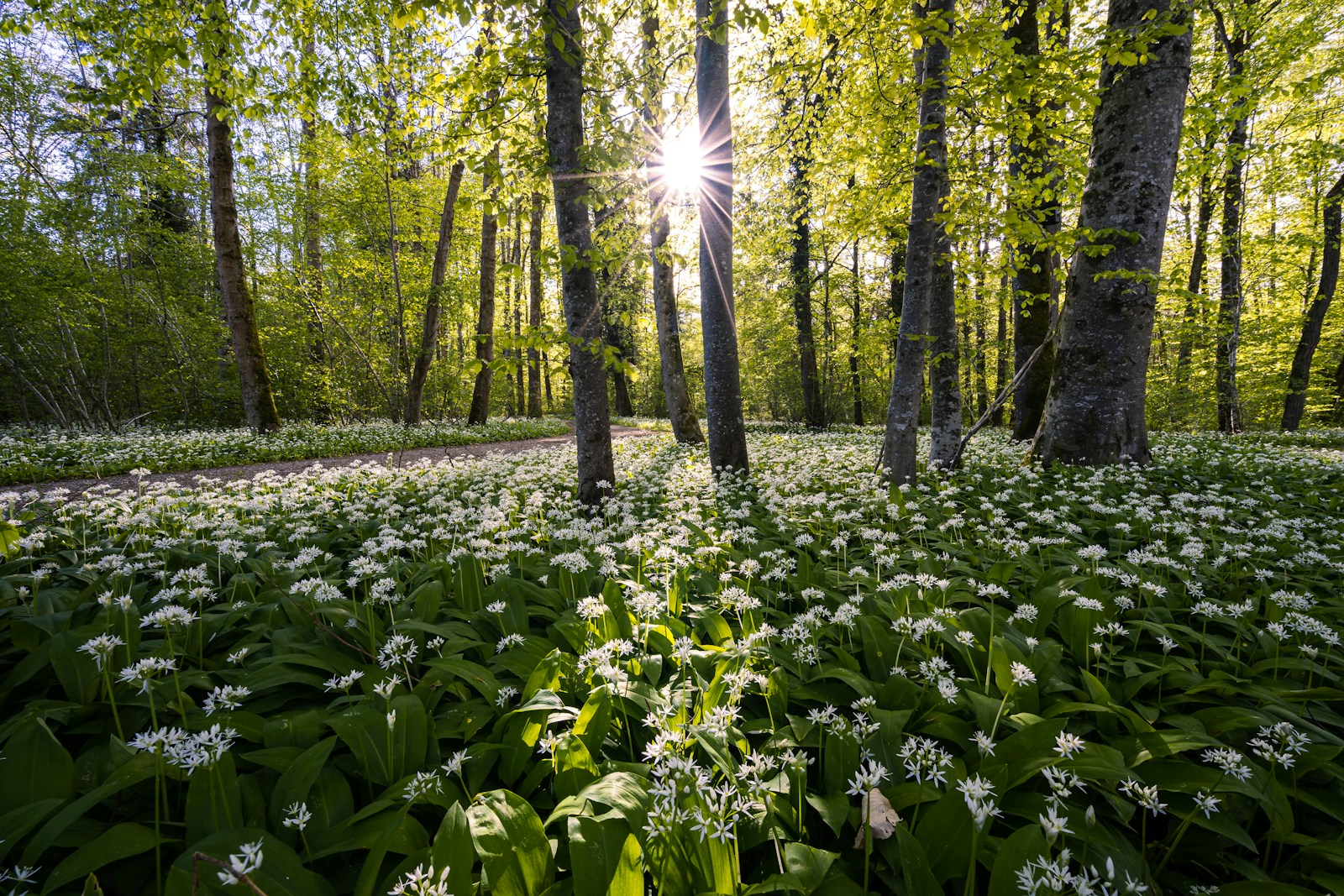
Three toxic look-alikes share their habitat. Lily of the valley has no onion smell, and its leaves usually come in pairs from one sheath. False hellebore has ribbed, pleated leaves spiraling up a stout stem, again with no onion smell. In the West, death camas has grass-like leaves, a bulb and no smell. It looks more like wild onion than ramps.
Smell is the key test, but it has a trap. Onion scent lingers on your hands. After a few leaves, everything seems to smell of onion. Crush each leaf on its own, then sniff it. Wash your hands often. Check leaf shape and stalks as well.
Step 5: Tell comfrey and mullein from foxglove
Comfrey, mullein and foxglove all start as rosettes of large, hairy leaves. Foxglove (Digitalis purpurea) is poisonous in every part, and it can affect the heart.
Mullein (Verbascum thapsus) leaves are thick, soft and felt-like, gray-green, and densely woolly on both sides. Comfrey (Symphytum officinale) leaves are broad and rough, with bristly hairs on both surfaces. Foxglove leaves are coarse and wrinkled, with a network of prominent veins and toothed, scalloped edges.
Leaf texture alone is not reliable at the rosette stage. Wait for flowers to confirm. Mullein sends up a tall spike of yellow flowers, and comfrey carries nodding bells. Foxglove carries tubular flowers, often purple or pink, along one side of a spike. Comfrey is best kept for compost and liquid plant feed. It is not considered safe to eat.
Step 6: Protect your skin from wild parsnip
Wild parsnip (Pastinaca sativa) is a carrot-family plant with flat clusters of yellow-green flowers. It stands about 4 to 5 feet (1.2 to 1.5 m) tall. The leaves divide into toothed leaflets.
The danger is the sap. When juice from a broken stem or leaf reaches your skin, sunlight triggers a reaction. Redness or painful blisters appear one to two days later. They can leave brown marks that last for months or longer. Giant hogweed and some related plants cause the same kind of burn.
Wear gloves, long sleeves and long pants near wild parsnip. Cover skin completely when you pull or mow it. Working in the evening lowers the risk. If sap touches you, wash the skin with soap and water promptly. Keep it out of sunlight, and see a doctor if blisters form.
Step 7: Check chickweed for milky sap and square stems
Common chickweed (Stellaria media) grows as a low, sprawling mat in cool weather. It has a round stem with a thin line of fine hairs along it. The small leaves sit in opposite pairs and are oval with a pointed tip. The white flowers have five petals, split so deeply that they look like ten.
Break a stem. Chickweed has clear sap. Spurges, such as spotted spurge, bleed milky white sap, and that sap irritates skin. Spurge also favors hot weather, and its leaves often carry a red spot.
Scarlet pimpernel (Anagallis arvensis) is the other trap. Its stems are square, not round, and its leaves have dark dots underneath. The small flowers are salmon-orange. It can be toxic, so leave any square-stemmed or milky plant alone.
Common problems
The features do not all match
One plant shows a hairy stem but has purple blotches, or smells faintly of onion but has pleated leaves. The cause is usually a look-alike, a hybrid or two plants growing tangled together. Any mismatch means no. Photograph the plant and ask your local extension office.
Everything smells of onion
Your hands carry the scent from earlier plants. Wash with soap and water, dry your hands and crush one fresh leaf on its own. If you still cannot tell, leave that patch.
Plants got mixed in the basket
A toxic leaf in a bundle of safe ones is dangerous. Discard the whole batch. Next time, use one bag per plant and check each piece as you pick it.
Someone has eaten an unknown plant
Call Poison Help at 1-800-222-1222 in the US right away, even if the person seems fine. Keep a sample of the plant and a photo to describe it. If they collapse, have a seizure or struggle to breathe, call 911.
Red streaks or blisters appear on your skin
Sap from wild parsnip or a related plant, plus sunlight, is the likely cause. Keep the area covered and out of sun. See a doctor for blisters.
What to do next
Pick one safe plant and its look-alikes, and study them through a full season. Photograph them at the rosette, flowering and seed stages. Learn one new pair each year, and ask a local expert to check your identification before you harvest anything to eat.