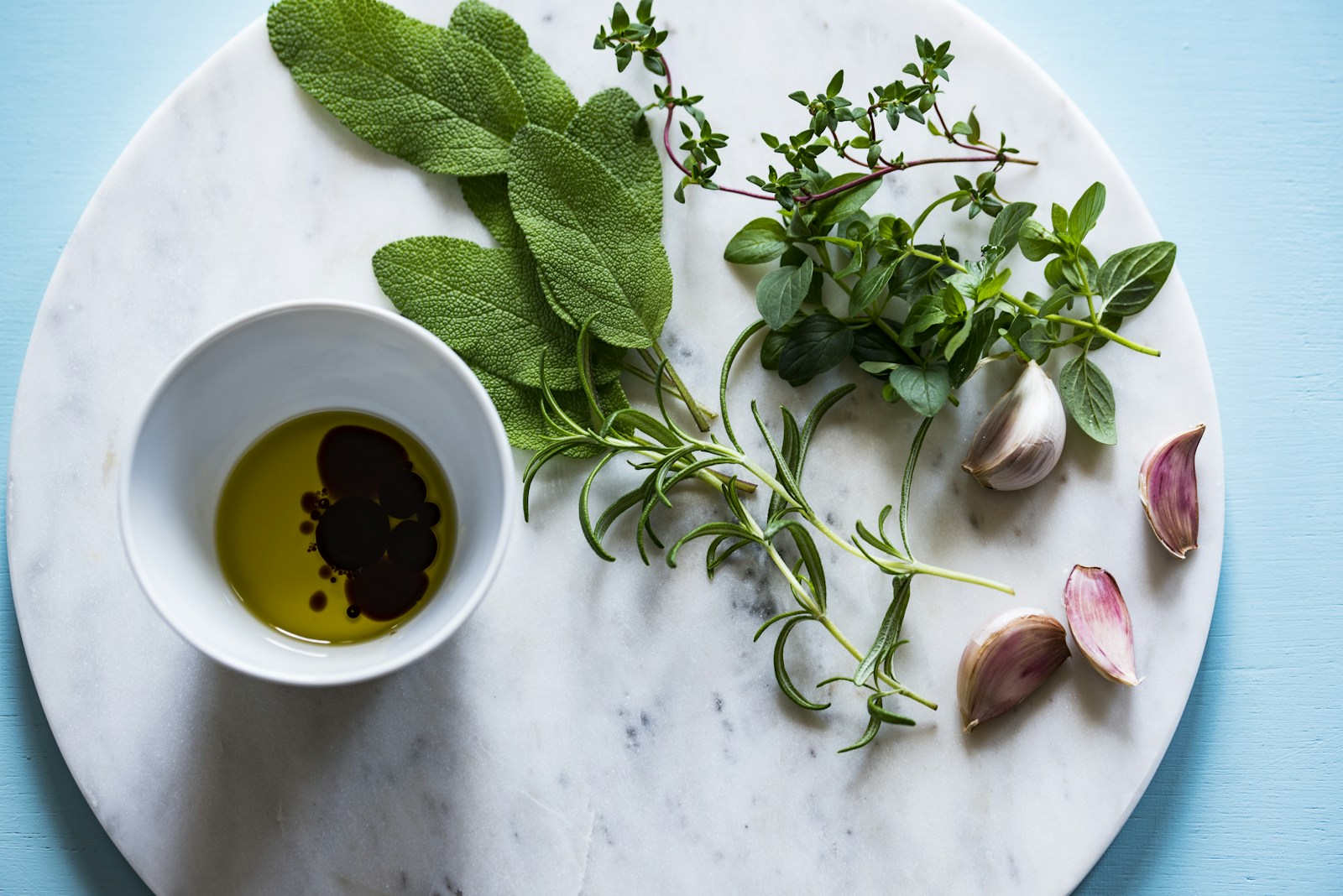
A few sprigs of tarragon or basil turn plain vinegar into something you reach for every time you make a salad. The method is simple: clean herbs, clean jars, warm vinegar and patience. What matters most is cleanliness. Herbs carry soil and microbes, so careful washing and sterilized jars keep your vinegar safe and clear.
What you need
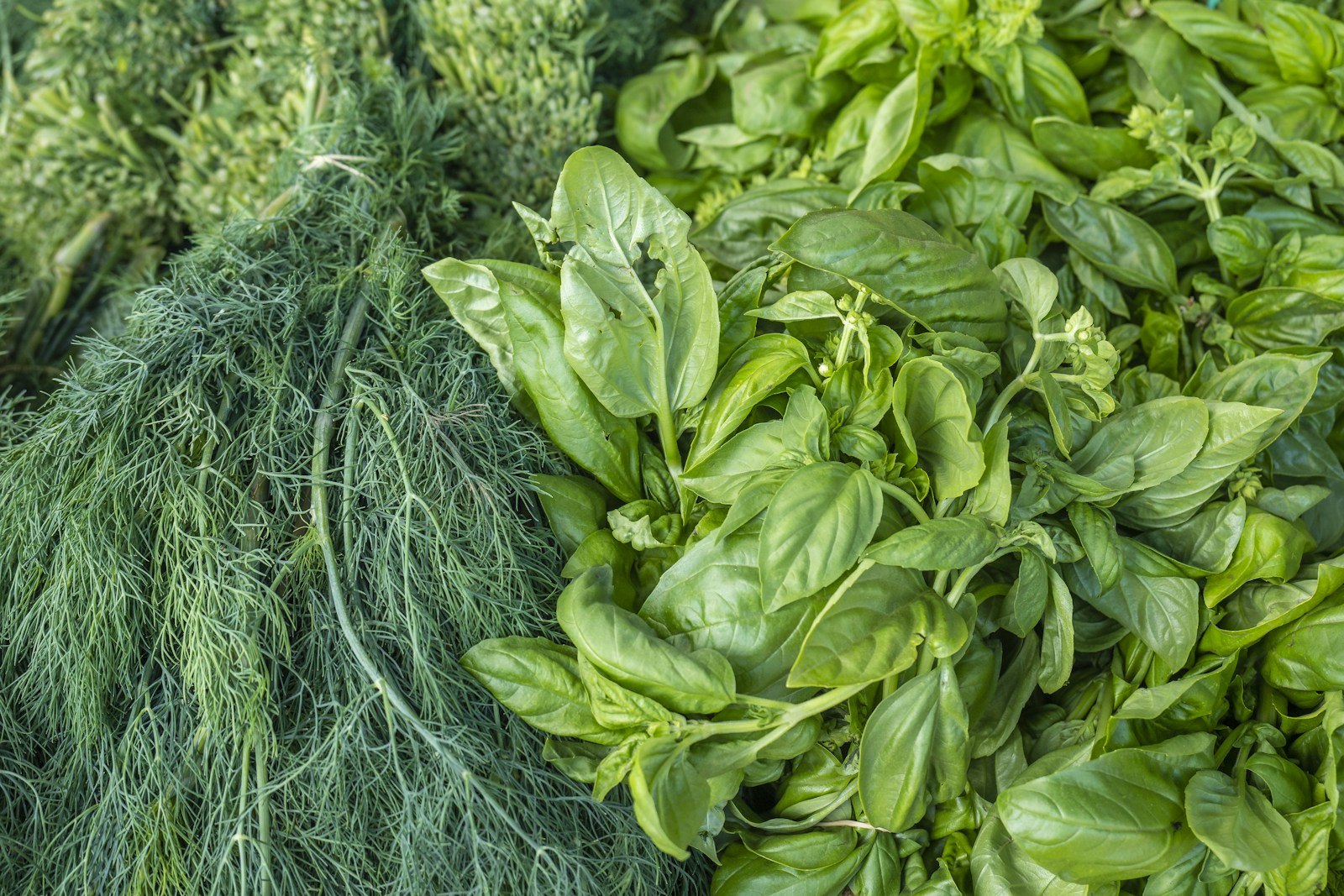
- Vinegar of at least 5% acidity (check the label): white wine, cider, rice or distilled white
- Fresh herbs from your garden, or dried herbs
- Glass jars or bottles, with non-metal or plastic-lined lids, or new corks
- A large pot for sterilizing, plus tongs
- A stainless steel or enamel saucepan for heating vinegar
- A funnel, a fine strainer and cheesecloth or coffee filters
- Unscented household chlorine bleach, for sanitizing herbs
- Labels and a pen
When to make herb vinegar
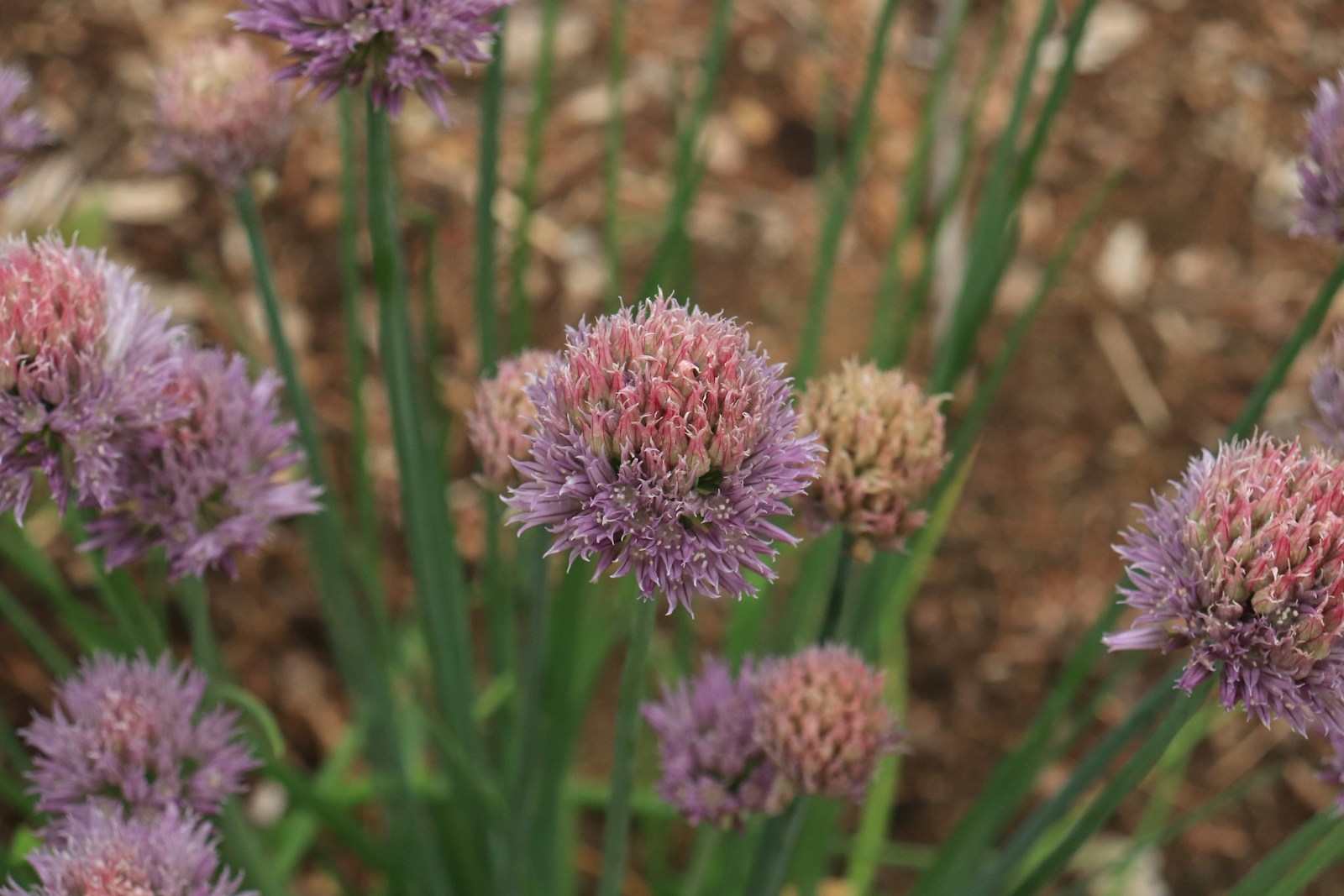
Make it when your herbs are at their most aromatic. For most leafy herbs that is late spring through summer, just before the plants flower. Leaves lose some flavor once flowering starts. Chive blossoms are the exception: pick them when the flowers have just opened.
Timing follows your climate, not the calendar. In warm areas such as USDA zones 8 to 10, herbs like basil and tarragon often peak weeks earlier than in zones 4 to 6. In cool areas, basil often peaks only in the warmest part of summer. Before your first autumn frost, make a last batch from tender herbs like basil, which frost kills outright.
Harvest in the morning, once the dew has dried but before the day gets hot. The aromatic oils are strongest then.
Step 1: Choose your vinegar
Buy commercial vinegar labelled at least 5% acidity. That level of acid is what keeps the finished vinegar from spoiling, so avoid homemade vinegar or anything without an acidity on the label.
Match the vinegar to the herb:
- Distilled white vinegar is clear and sharp. It lets delicate flavors and the color of chive blossoms show, but its harsh edge suits bold herbs less well.
- White wine vinegar is mellow and pairs well with tarragon, thyme and dill.
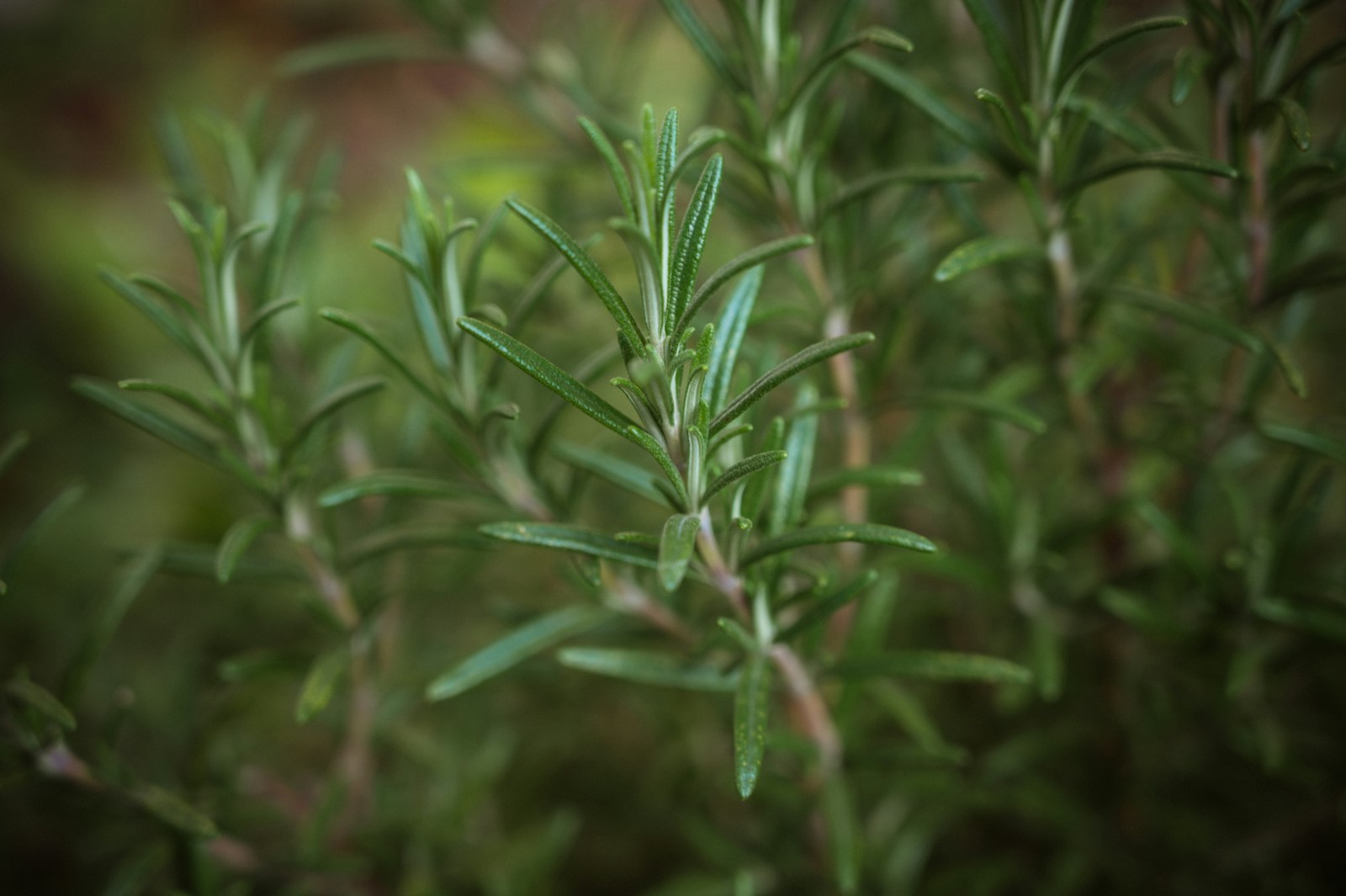
- Cider vinegar is mild and amber. It works with rosemary, mint and robust herbs, but its color hides pale ones.
- Rice vinegar is gentle and slightly sweet. Use only commercial rice vinegar.
Wine and rice vinegars contain some protein, which bacteria can use. Treat vinegars made with them as fridge items and use them sooner.
Step 2: Pick and clean your herbs
Pick healthy, unblemished stems. Good choices include tarragon, dill, basil, thyme, rosemary, mint and chive blossoms. Skip any leaves with spots, insect damage or wilting.
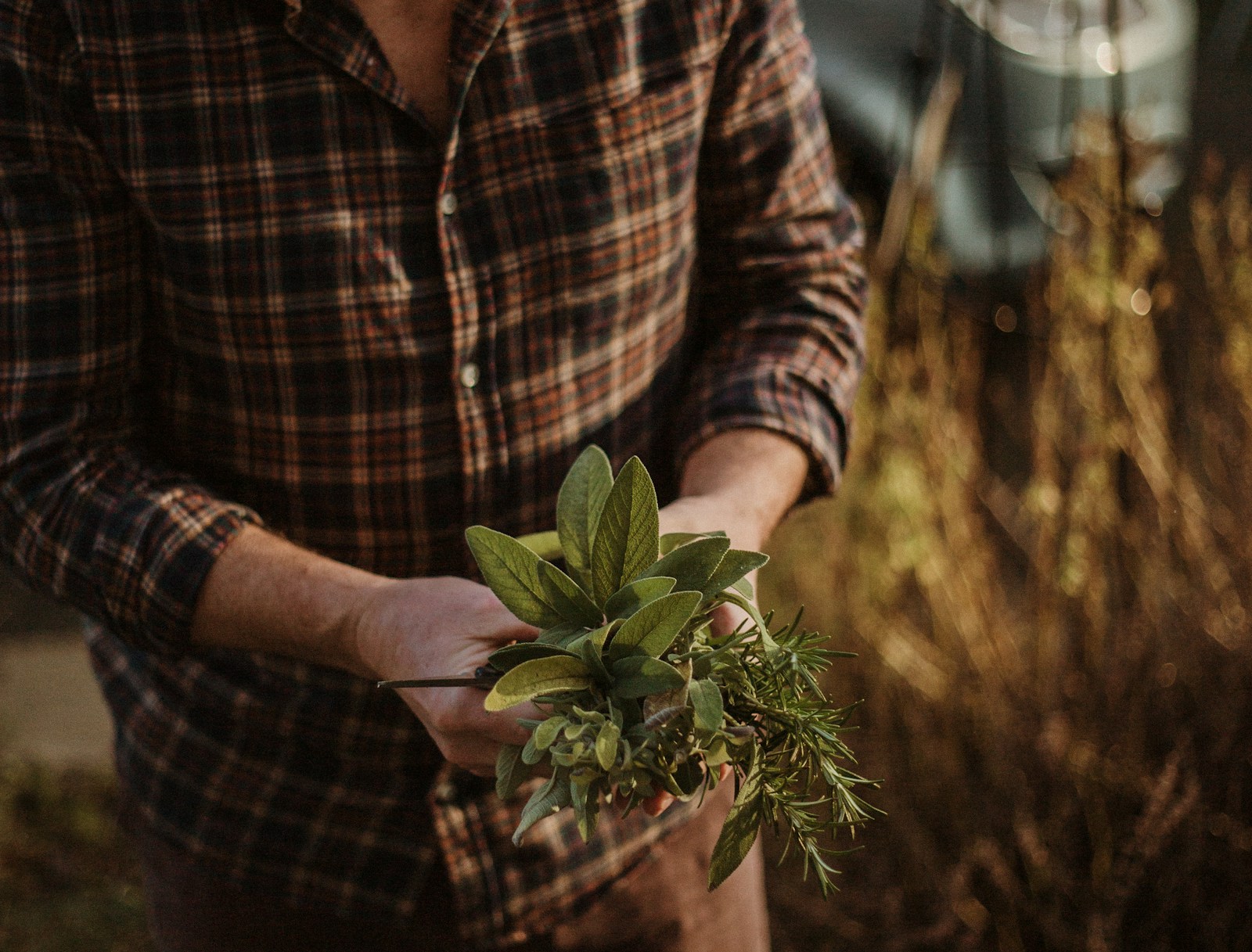
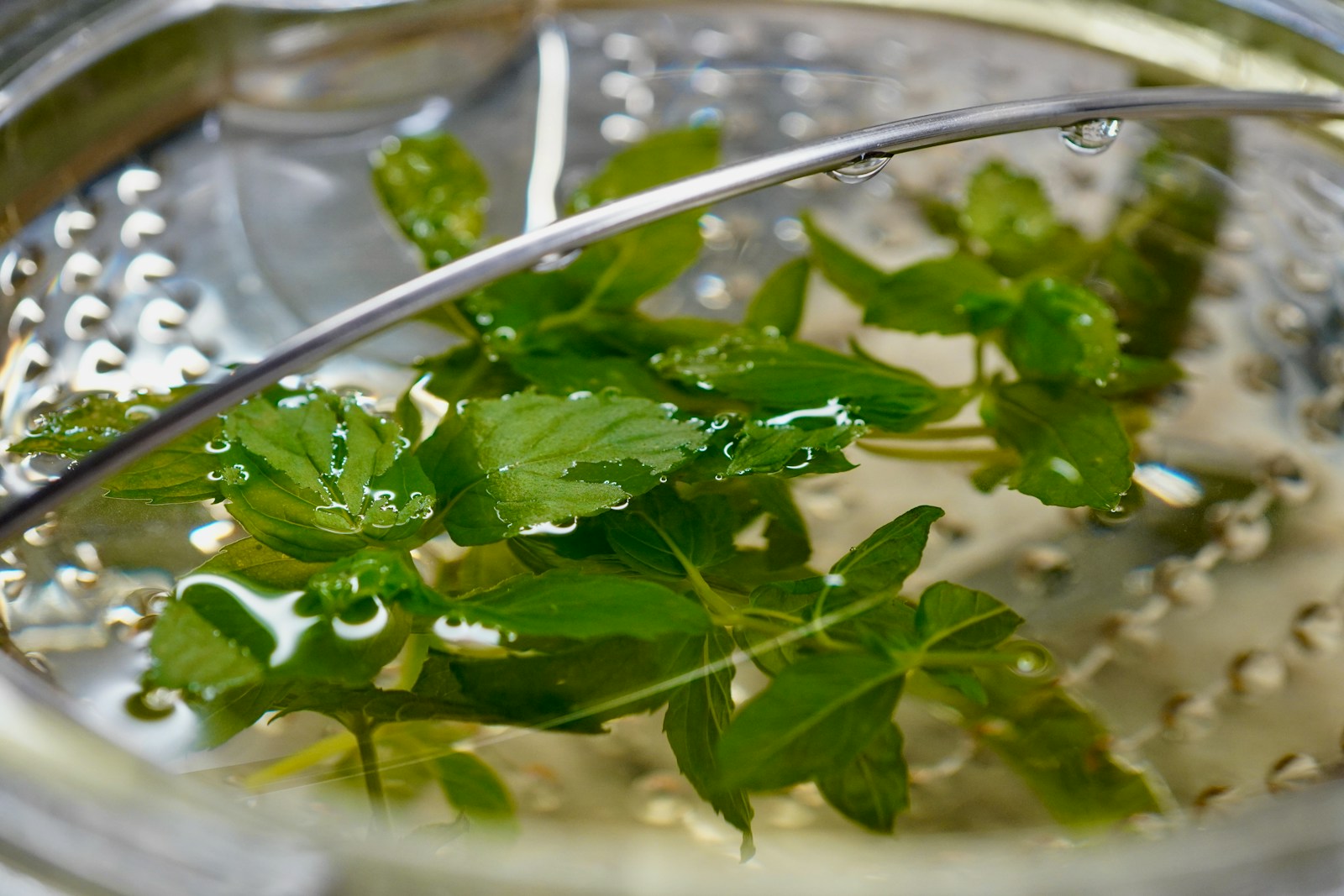
Rinse the herbs gently but thoroughly in cool running water to remove soil. Extension services also advise sanitizing fresh herbs before steeping them. Dip them briefly in a solution of 1 teaspoon (5 ml) unscented household chlorine bleach in 6 cups (1.4 litres) of cool water. Then rinse them well in clean water. Wear gloves, work in a ventilated room, and never mix bleach with vinegar or ammonia, because the combination releases toxic gas. Rinse your sink before you start on the vinegar.
Pat the herbs dry with clean paper towels. Lightly bruise or crush the leaves between your fingers to help release their oils.
Step 3: Sterilize jars and lids
Choose glass jars or bottles free of chips and cracks. Wash them in hot, soapy water and rinse well.
To sterilize, stand the jars upright in a large pot and cover them fully with water. Bring the water to a boil and boil for 10 minutes. Lift them out with tongs and fill them while still warm. Boiling water and hot glass scald easily, so use tongs and oven gloves, keep pot handles turned inward and keep children away from the stove. Never put cold glass straight into boiling water, as it can crack.
Lids matter too. Vinegar corrodes bare metal, which spoils the flavor and can leave the lid rusty. Use plastic lids, plastic-lined metal caps or new corks. Wash screw caps and scald them in hot water. Dip corks briefly in boiling water a few times.
Step 4: Add herbs and hot vinegar
Place the herbs in the warm jars. Common extension quantities are:
- Fresh herbs: 3 to 4 sprigs per pint (about 500 ml), which is 6 to 8 sprigs per quart (about 1 litre)
- Fresh basil: about ½ cup (120 ml) of coarsely chopped leaves per pint
- Dried herbs: about 3 tablespoons (45 ml) per pint
Start at the low end and add more next time if you want a stronger flavor.
Heat the vinegar in a stainless steel or enamel pan, never aluminium or copper. Bring it to just below boiling, about 190 to 195°F (88 to 91°C). Do not let it boil. Pour the hot vinegar over the herbs through a funnel, leaving about ¼ inch (6 mm) of space at the top. Hot vinegar splashes and gives off sharp fumes, so pour slowly, keep your face back and open a window. Let the jars cool, wipe the rims and cap them tightly.
Step 5: Steep in a cool, dark place
Store the jars somewhere cool and dark, out of direct sun. A cupboard away from the stove works well. Sun on a windowsill fades color and flavor.
Most flavors need at least 10 days to develop. Three to four weeks is typical. Start tasting after about 10 days with a clean spoon each time. When the flavor is as strong as you like, move on to straining. Leaving herbs in too long can make some vinegars bitter.
Step 6: Strain, rebottle and label
Line a fine strainer with cheesecloth or a coffee filter. Strain the vinegar into a clean jug until it runs clear. Then pour it through a funnel into freshly sterilized bottles.
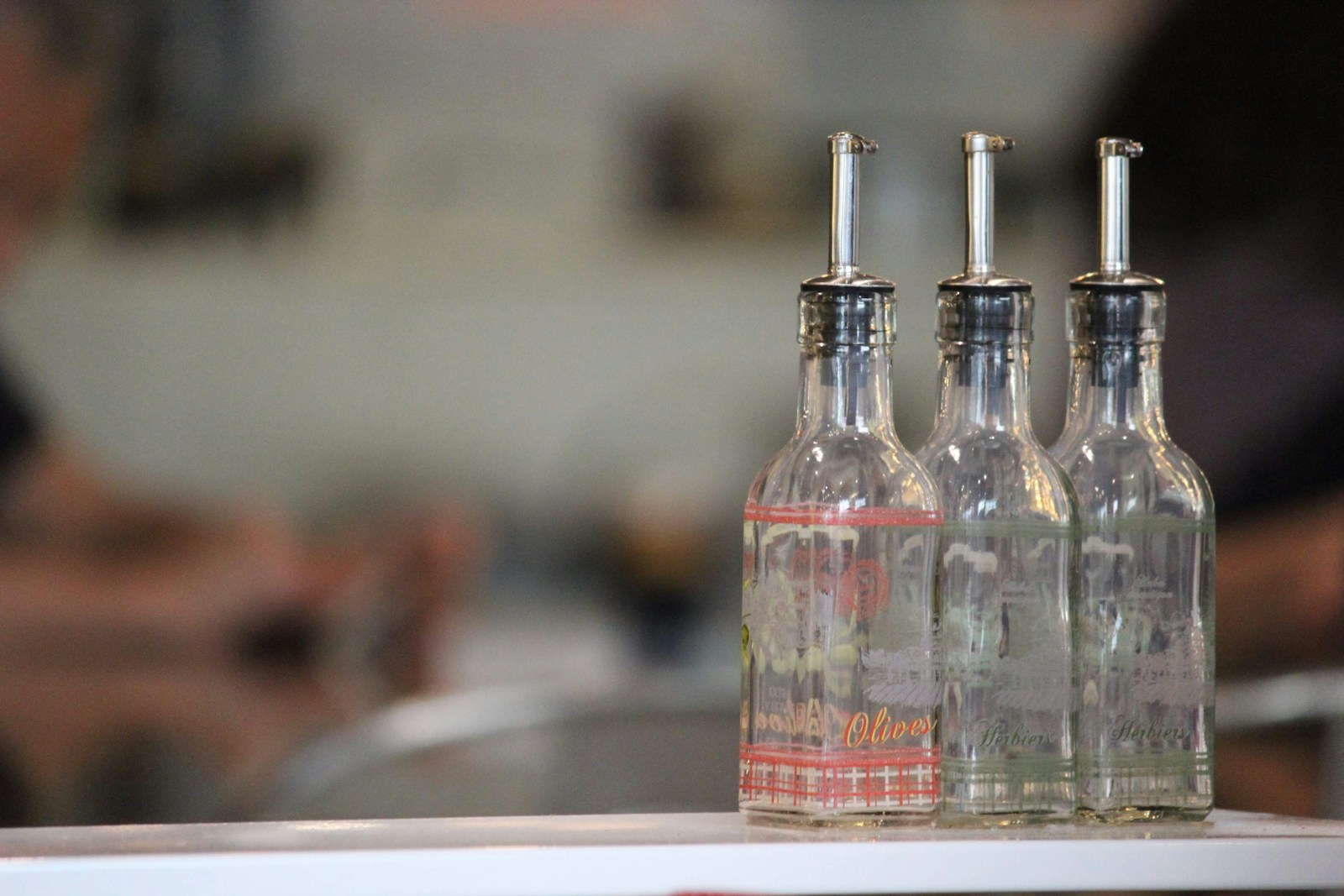
You can add one fresh, sanitized sprig to each bottle for looks. Remove it if it starts to look tired or discolored.
Cap the bottles and label each one with the herb, the vinegar used and the date you bottled it.
Step 7: Store and use your vinegar
Refrigerate your herb vinegar for the best flavor and freshness. Extension guidance suggests about three months in a cool, dark cupboard, or six to eight months in the fridge. Taste it after six months and discard any that has lost its flavor. Keep caps tight between uses.
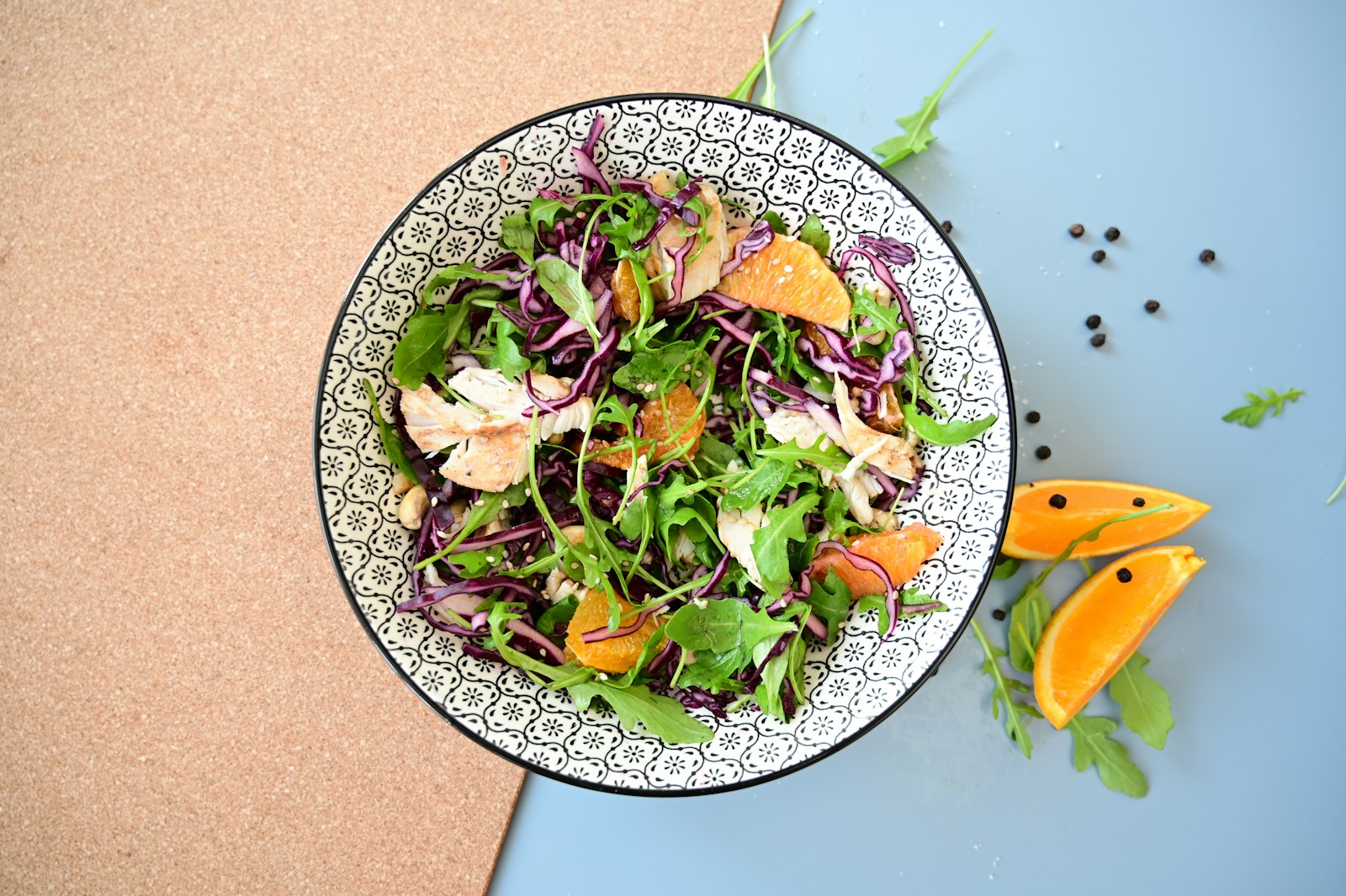
Use your vinegar in the kitchen:
- Whisk tarragon or thyme vinegar into a simple vinaigrette.
- Add rosemary or basil vinegar to marinades for chicken, pork or vegetables.
- Splash dill vinegar over potato salad or cucumbers.
- Stir mint vinegar into a sauce for lamb.
Herb vinegar is a table vinegar. Tested canning and pickling recipes depend on plain vinegar of a known 5% acidity. Adding herbs changes the vinegar and its acidity is no longer known, so always use plain commercial vinegar for canning.
Common problems
Mold, cloudiness, slime or bubbles
These are signs of spoilage from microbes that got in on the herbs or jars. Do not taste the vinegar or try to rescue it.
Throw away any herb vinegar that shows mold on or in it, cloudiness, sliminess or bubbling. Do not taste it first. Wash and sterilize the bottle before you reuse it.
Next time, sanitize the herbs, sterilize every jar and keep the vinegar in the fridge.
Weak or flat flavor
The herbs were probably too few, too old or picked after flowering. Dried herbs that sat in the cupboard too long also give little flavor. Use more fresh herbs, bruise them lightly and let the jar steep longer. Tasting every few days helps you judge when to stop.
Bitter or harsh taste
Herbs left in too long, especially woody ones like rosemary and thyme, can turn bitter. Distilled white vinegar can also taste sharp with some herbs. Strain sooner, or switch to white wine or cider vinegar next time.
Brown herbs or faded color
Heat and light break down the green color in herbs. Basil in particular darkens quickly. Store the jars in the dark and pour vinegar that is hot but not boiling. Brown herbs are not a safety problem in themselves, but remove them once you strain.
Rusty or corroded lid
Acid has eaten through the metal. Discard the vinegar, as it can taste metallic, and use plastic, plastic-lined or cork closures from now on.
What to do next
Keep a note of which herbs, quantities and vinegars you used, so you can repeat your favorites. Before your first autumn frost, gather a final batch of tender herbs such as basil. Once your herb vinegar is in the fridge, try drying or freezing the rest of the harvest so you have herbs for cooking through the winter.