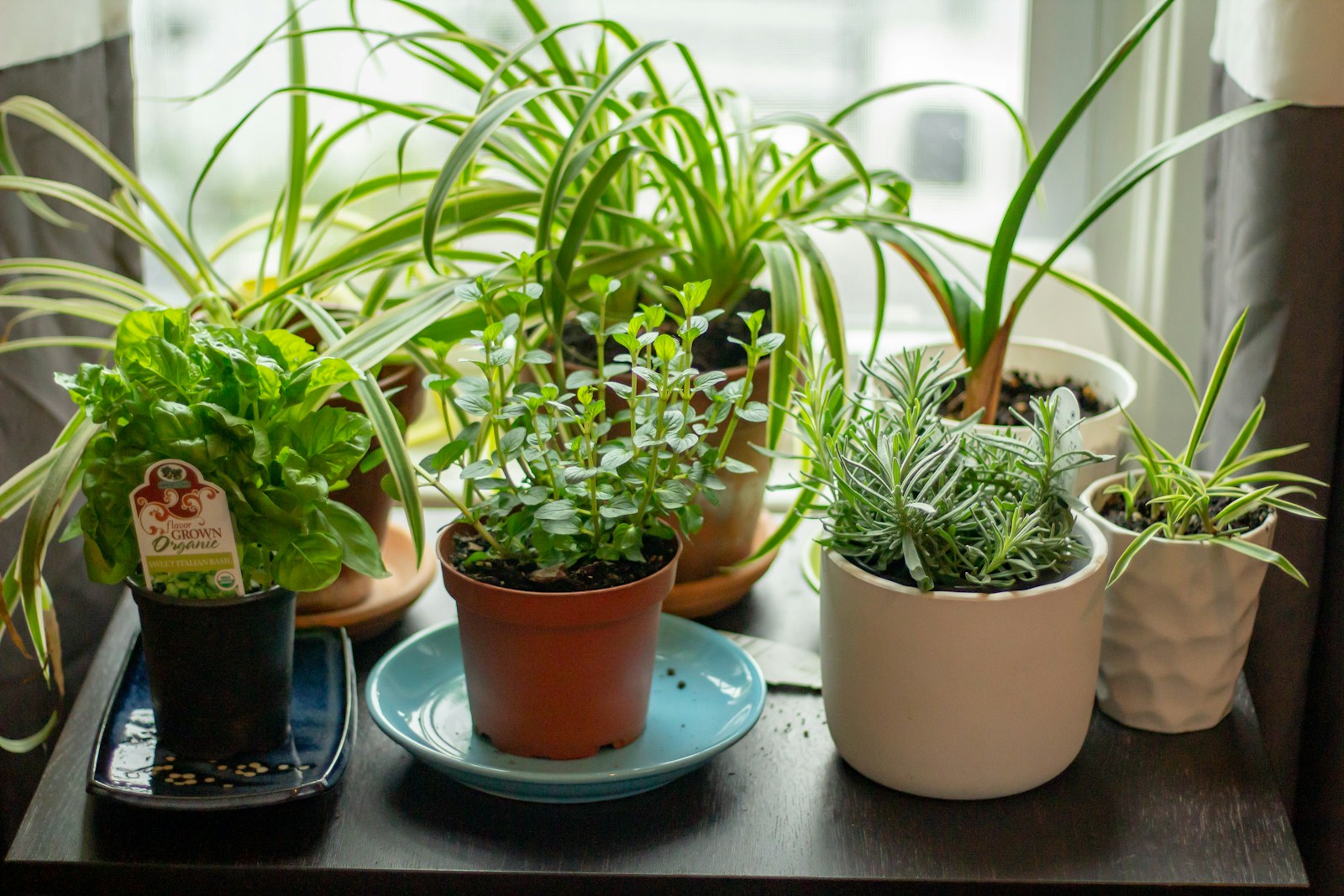
A few hours of fall work gives you stronger herbs next spring and a head start on seed. You gather the last leaves, save seed, bring tender plants indoors and settle the rest under mulch. The thing that matters most is drainage: herbs rarely die of cold alone, but they often rot in cold, wet soil.
What you need
- Clean, sharp pruners or scissors, and a pair of gloves
- Paper bags, envelopes and a pen for labels
- Pots with drainage holes, and fresh potting mix
- Straw or shredded leaves for mulch
- A hose with a spray nozzle
- A stiff brush, a file or sharpening stone, and light machine oil
- Your garden journal or a notebook
When to prepare the herb garden
Start when nights turn cool and your first expected frost is two to three weeks away. Basil is the first casualty. It blackens once nights fall below about 50°F (10°C), well before any frost. Pot up tender perennials at the same stage, while nights are still mild, so they adjust indoors gradually.
Hardy herbs such as sage, thyme, oregano, chives and parsley shrug off light frost. You can keep picking them until a hard frost, usually around 28°F (-2°C), stops growth. Mulch comes last, after the top inch or two of soil has frozen.
In USDA zones 9 and warmer, many herbs grow on through winter. There, the jobs are mostly tidying, seed saving and guarding against winter rain.
Step 1: Harvest before the hard frost
Pick basil first, as soon as cool nights arrive. Cut whole stems just above a pair of leaves, or pull the plants entirely. Basil keeps poorly in the fridge, so turn a big harvest into pesto or freeze chopped leaves in a little oil.
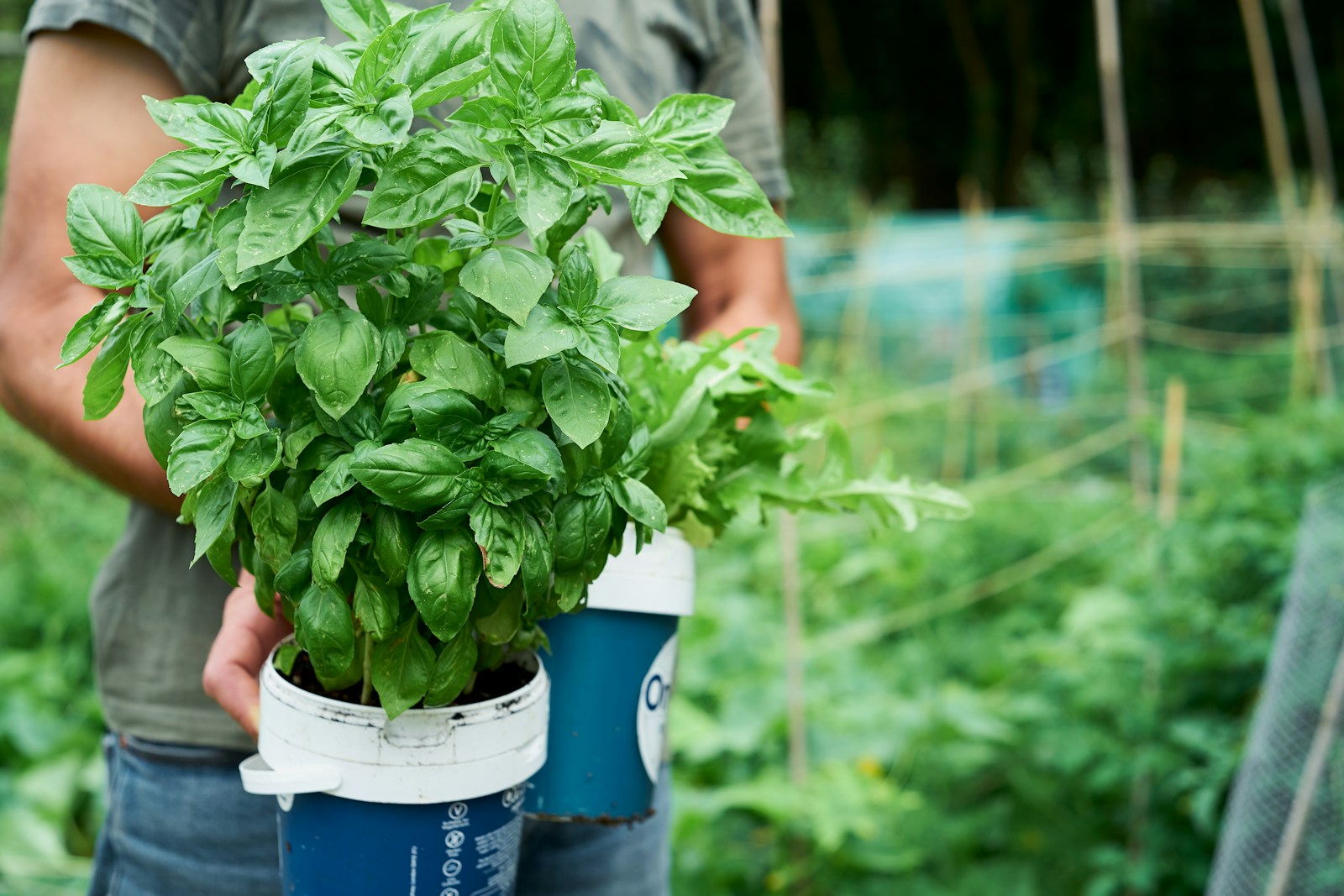
Move on to the tender leaves of parsley, cilantro and chives next. Leave the woody herbs until last. Sage, thyme and oregano hold their flavor into cold weather, so take what you need a few days before the forecast hard frost.
Pick in the morning once dew has dried. Dry small bundles hung upside down in a warm, airy room out of direct sun. Store the dried leaves in labeled jars away from light and heat.
Step 2: Save seed from dill, coriander, calendula and fennel
Let a few of your best plants finish flowering and ripen their seed. Seed is ready when the heads turn brown and dry and the seeds come away easily. Green seed rarely stores well.
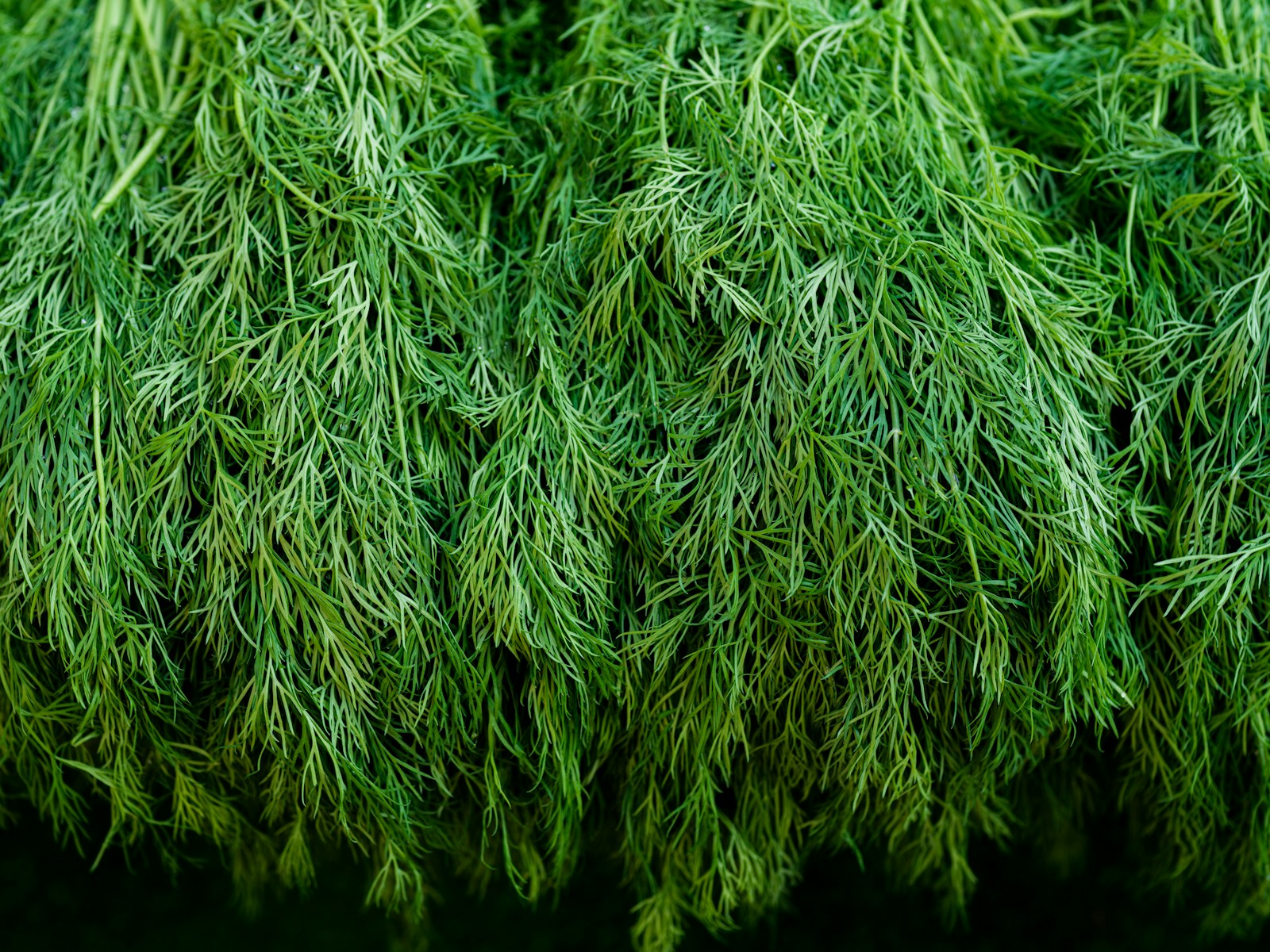
- Dill forms flat umbrella-shaped heads (umbels). Cut them when most seeds are tan.
- Coriander is the seed of cilantro. Harvest the round seeds once they turn from green to beige.
- Calendula makes curled, ridged seeds in a ring. Pick the dry, brown flower heads.
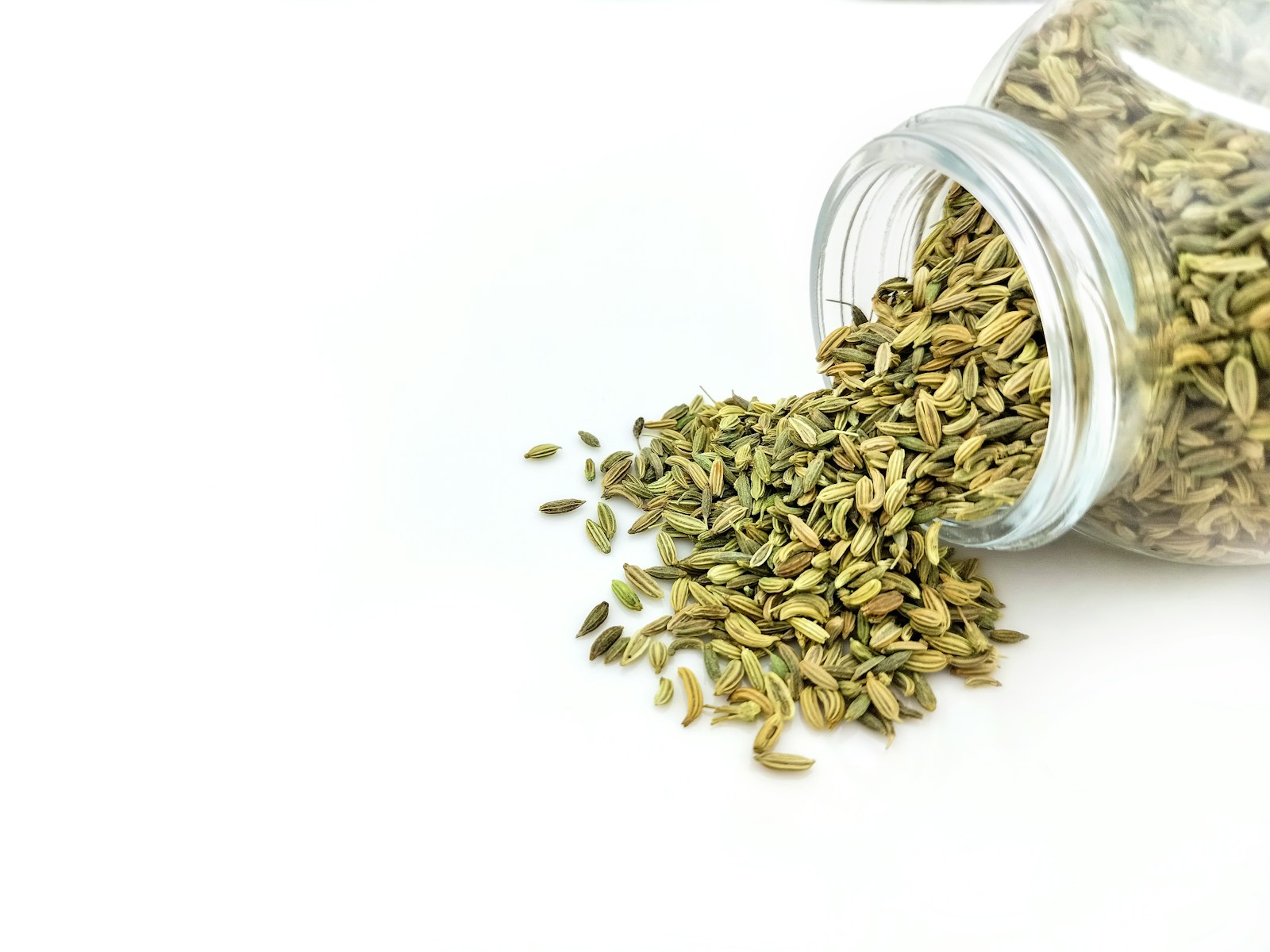
- Fennel seeds ripen from green to gray-brown. Fennel self-sows freely, so cut heads before they shatter (split open and drop seed).
Snip each head into a paper bag, label it, and hang it somewhere dry for a week or two. Rub out the seed, discard the chaff, and store it in paper envelopes in a cool, dry place.
Step 3: Tidy diseased foliage and leave healthy stems standing
Remove anything that looks sick. Cut out leaves with mildew, rust spots or rot and bag them for the trash. Do not compost them, because many garden compost heaps do not get hot enough to kill disease.
Leave healthy perennial stems standing. Hollow stems and seed heads of fennel, echinacea and similar plants feed seed-eating birds. They also shelter overwintering beneficial insects, and they mark where each plant sits.
Do not prune woody herbs hard in fall. Lavender, sage, thyme and rosemary regrow slowly from old wood, and fresh cuts invite cold damage. Take off only broken stems and spent flower spikes. Save any shaping for spring, once new growth appears.
Step 4: Pot up tender perennials and check them for pests
Lift herbs that will not survive your winter. Rosemary is usually reliable outdoors only in about USDA zones 7 or 8 and warmer, depending on the variety. Bay laurel is hardy in roughly zones 8 and warmer, and lemongrass only in the warmest zones. Dig each plant with a generous root ball. Pot it in fresh, free-draining mix in a pot with drainage holes. Cut lemongrass back to about 8 inches (20 cm) to make it manageable.
Before you bring any pot indoors, check it closely. Look under leaves and along stems for aphids, spider mites (fine webbing and speckled leaves), whitefly, mealybugs and scale. Rinse the foliage with a firm spray from the hose. Keep new arrivals apart from your houseplants for a week or two in case anything was missed.
Indoors, give them a bright, cool spot such as an unheated room or a porch that stays above freezing. Around 40–60°F (4–16°C) suits them well. Water only when the top inch of mix is dry, but never let rosemary's root ball dry out completely.
Step 5: Protect outdoor pots from freeze-thaw
Guard pots that stay outside. Repeated freezing and thawing cracks terracotta and some ceramics. It also heaves roots out of the mix and stresses plants far more than steady cold.
Move containers of hardy herbs against a sheltered wall, out of wind and winter rain. Group them together so they insulate each other. Raise them on pot feet so water drains away freely. In colder zones, wrap pots in burlap or bubble wrap, or move them into an unheated garage or shed.
Empty unused terracotta pots, brush them out, and store them dry and upside down.
Step 6: Mulch after the ground freezes
Wait until the top of the soil has frozen before you mulch. Mulch applied too early keeps the ground warm, and it gives mice a cozy home. Once frozen, a mulch layer keeps the soil cold and steady, so plants are not heaved by thaws.
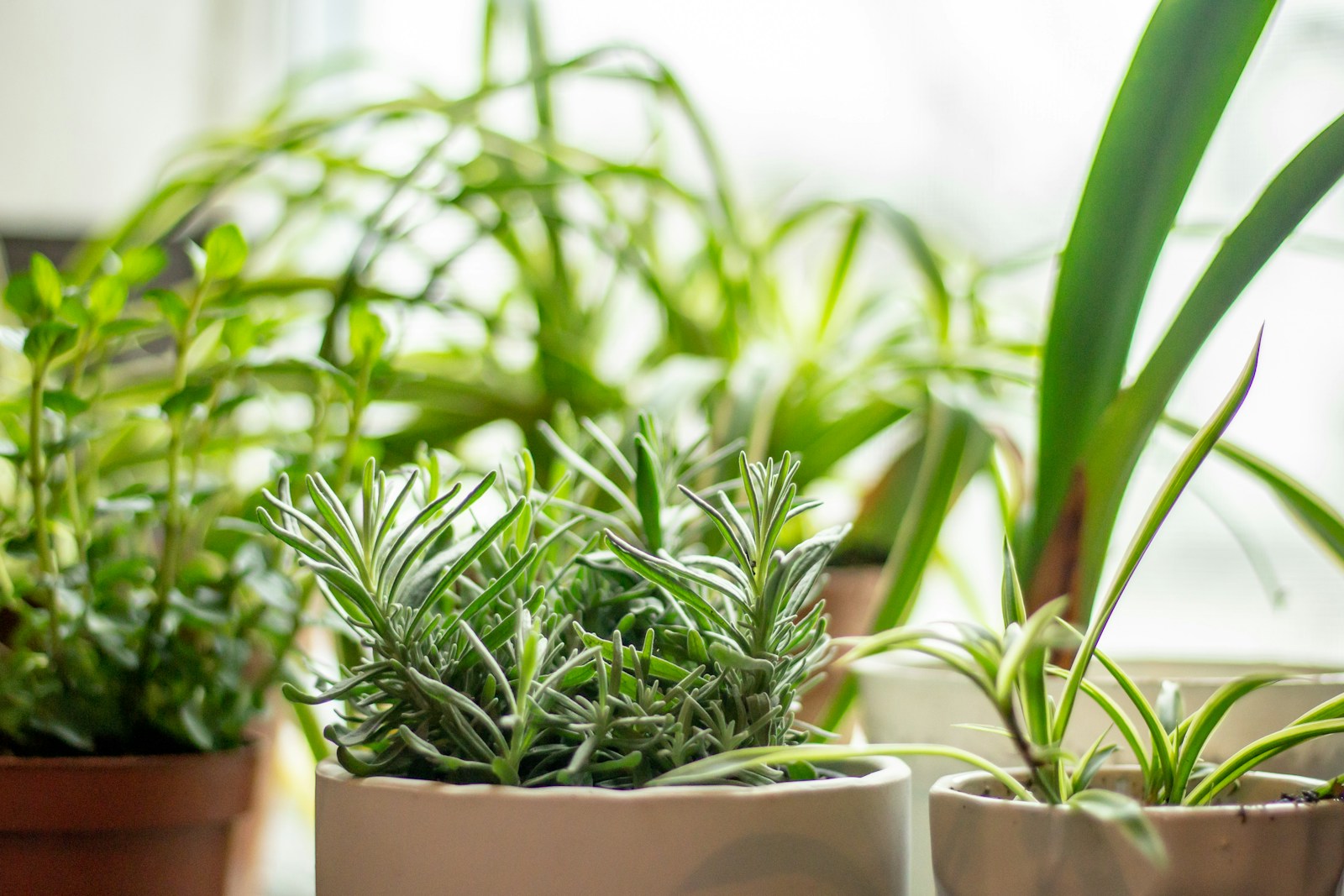
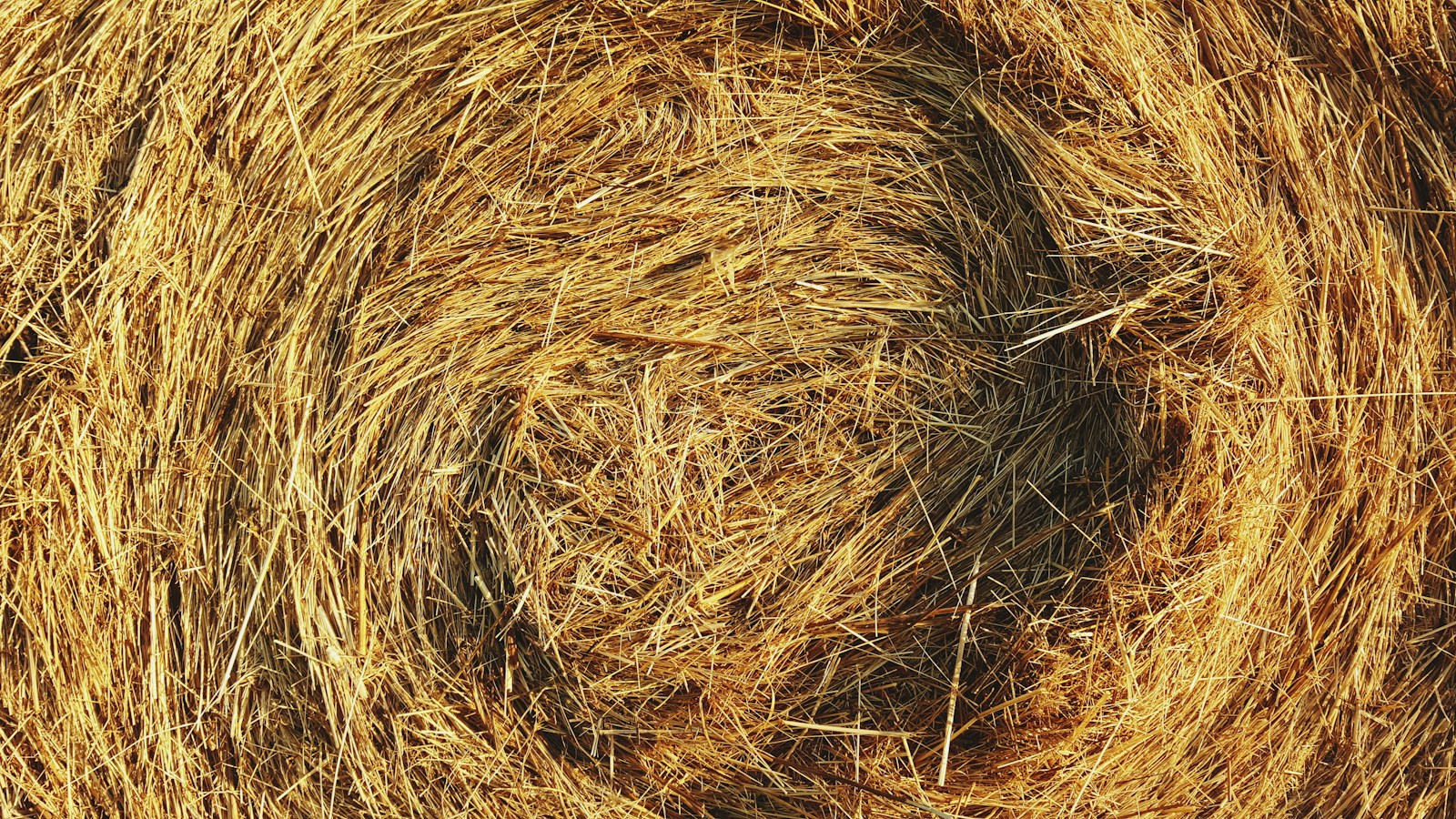
Spread 2–4 inches (5–10 cm) of loose straw or shredded leaves over herbs such as chives, oregano, mint and tarragon. Keep mulch well away from the crowns of lavender, thyme, sage and rosemary. These plants hate wet around their base. Leave a clear ring of a few inches, or use a thin layer of gravel instead.
Most herbs die in winter from wet, not cold. Keep drainage sharp, never water outdoor herbs in cold weather unless the soil is truly dry, and never pile wet mulch against the crowns of lavender, thyme or other woody herbs.
Step 7: Clean, sharpen and oil your tools
Scrub soil and sap off pruners, trowels and spades with a stiff brush and water. Dry them fully. Wipe blades with rubbing alcohol to remove plant residue. Alcohol is flammable, so use it in a ventilated space away from flames.
Sharpen with a file or stone, stroking along the original bevel and away from your body. Wear sturdy gloves and clamp or brace the tool so it cannot slip. Finish with a thin coat of light machine oil on blades and pivots. If you treat wooden handles with linseed oil, lay the rags flat outdoors to dry. Oily rags left bunched up can catch fire on their own.
Common problems
Rosemary drops needles or dies indoors
The usual causes are a dry root ball, a warm room or low light. Rosemary rarely recovers once its roots dry out completely. Check the mix often and keep the plant in your coolest bright spot. White powder on the leaves is powdery mildew; improve airflow and avoid wetting the foliage.
Lavender or thyme is gray and mushy at the base in spring
This is crown rot from cold, wet soil, often under heavy mulch. Remove dead plants. Replant in raised beds or grittier soil with better drainage, and keep mulch off the crowns next winter.
Tiny insects multiply on overwintering herbs
Pests missed at potting up breed fast in warm, dry indoor air. Rinse the plant in the sink or shower, repeat weekly, and wipe off scale by hand. Isolate the pot from your other plants.
Saved seed fails to sprout
The seed was harvested green or stored damp. Collect only dry, brown seed heads, and store the seed in paper, not plastic, somewhere cool.
What to do next
Update your garden journal now, while details are fresh. Note what thrived, what struggled and what went where. Sketch next year's layout and rotate annual herbs such as dill and cilantro to fresh ground. In spring, pull the mulch back once hard frosts end, then prune the woody herbs lightly when new growth shows.