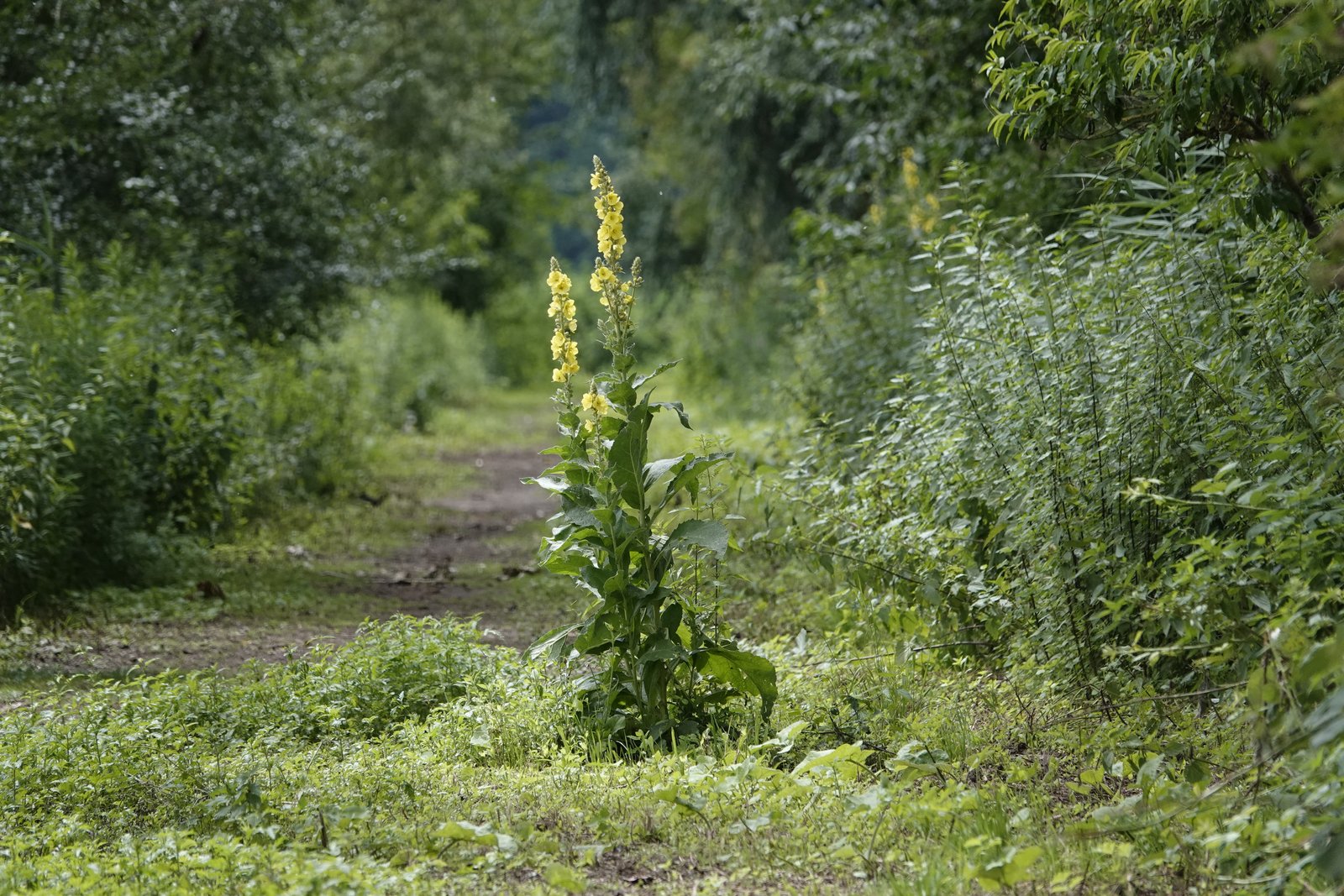
Common mullein (Verbascum thapsus) gives you a wide rosette of soft, silver leaves in its first year. In its second year it sends up a tall yellow flower spike. It is one of the easiest herbs to raise from seed. The one thing that matters most is light: the seed must sit on the soil surface, never under it.
What you need

- Common mullein seed, which is as fine as dust
- A spot in full sun, meaning at least six hours of direct sun a day
- Poor to average soil that drains fast; sandy or gravelly ground is ideal
- A rake and a flat board or the back of a spade for firming
- A watering can with a fine rose (the sprinkler head that breaks water into a gentle shower)
- Small, deep pots and seed compost, only if you start indoors
- Gloves and pruners for the second year
When to sow mullein
You have two good windows. The first is late fall, after a few frosts. Seed sown then lies cold and damp all winter and sprouts when the soil warms. The second is early spring, from a couple of weeks before your last expected frost onward. Spring sowings sprout once the soil reaches about 60 to 70°F (16 to 21°C).
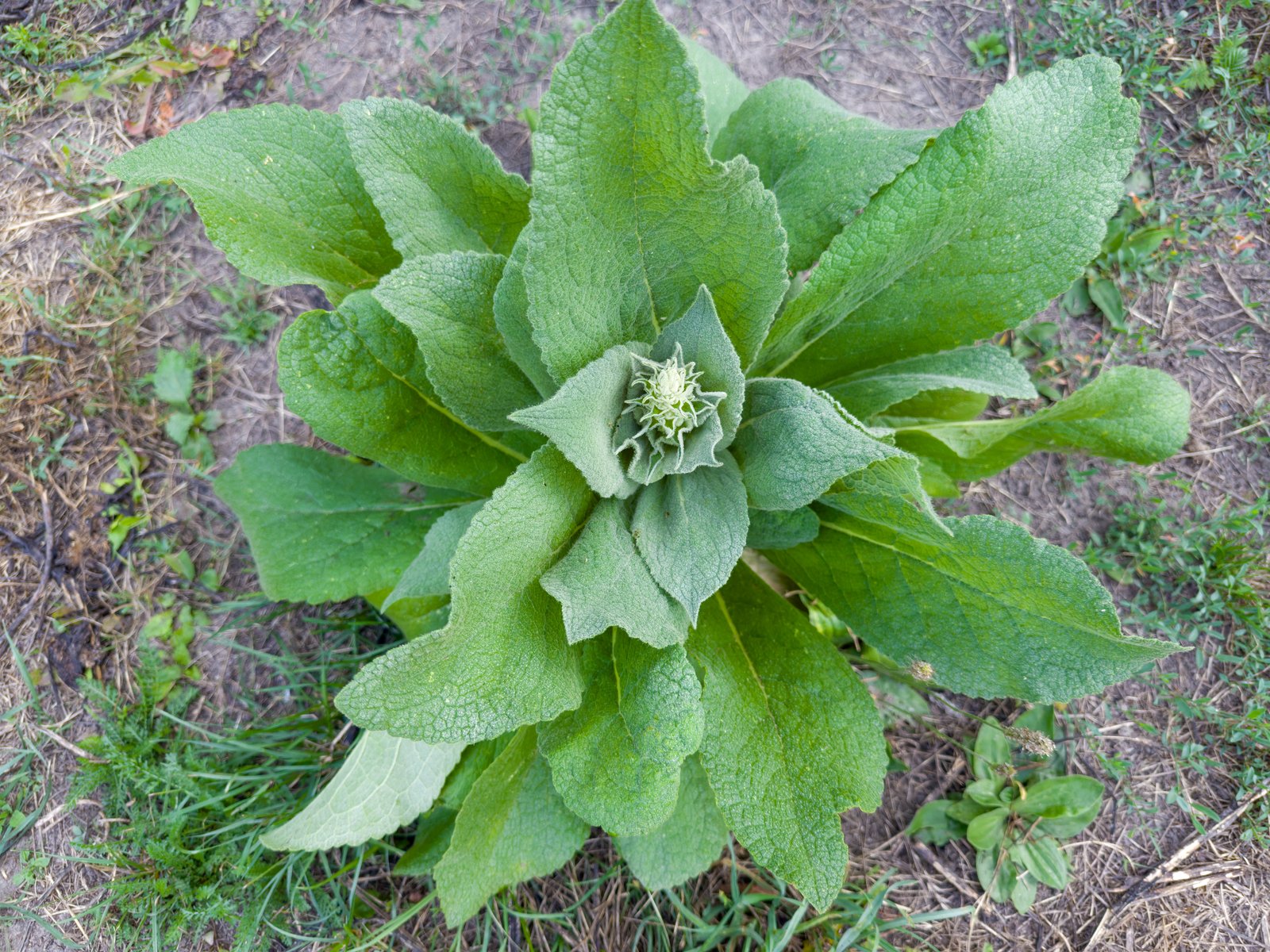
Mullein is a biennial. That means it lives for two growing seasons: leaves in the first, flowers and seed in the second, and then it dies. It is hardy in USDA zones 3 to 9, so the rosette sits through winter outdoors without protection. In the hottest zones, sow in fall so seedlings establish before summer heat. A sowing made after midsummer usually stays small and often waits an extra year to flower.
Common mullein is not native to North America, and some US states list it as a noxious weed. Check your state and county rules before you sow it. Wherever you grow it, never let it seed into pastures, roadsides or wild land.
Step 1: Choose a sunny, lean spot
Pick the place where the plant will live for both years. Mullein grows a taproot, a single thick root that drives straight down. Plants moved after the seedling stage usually sulk or die, so sowing in place is the safest method.
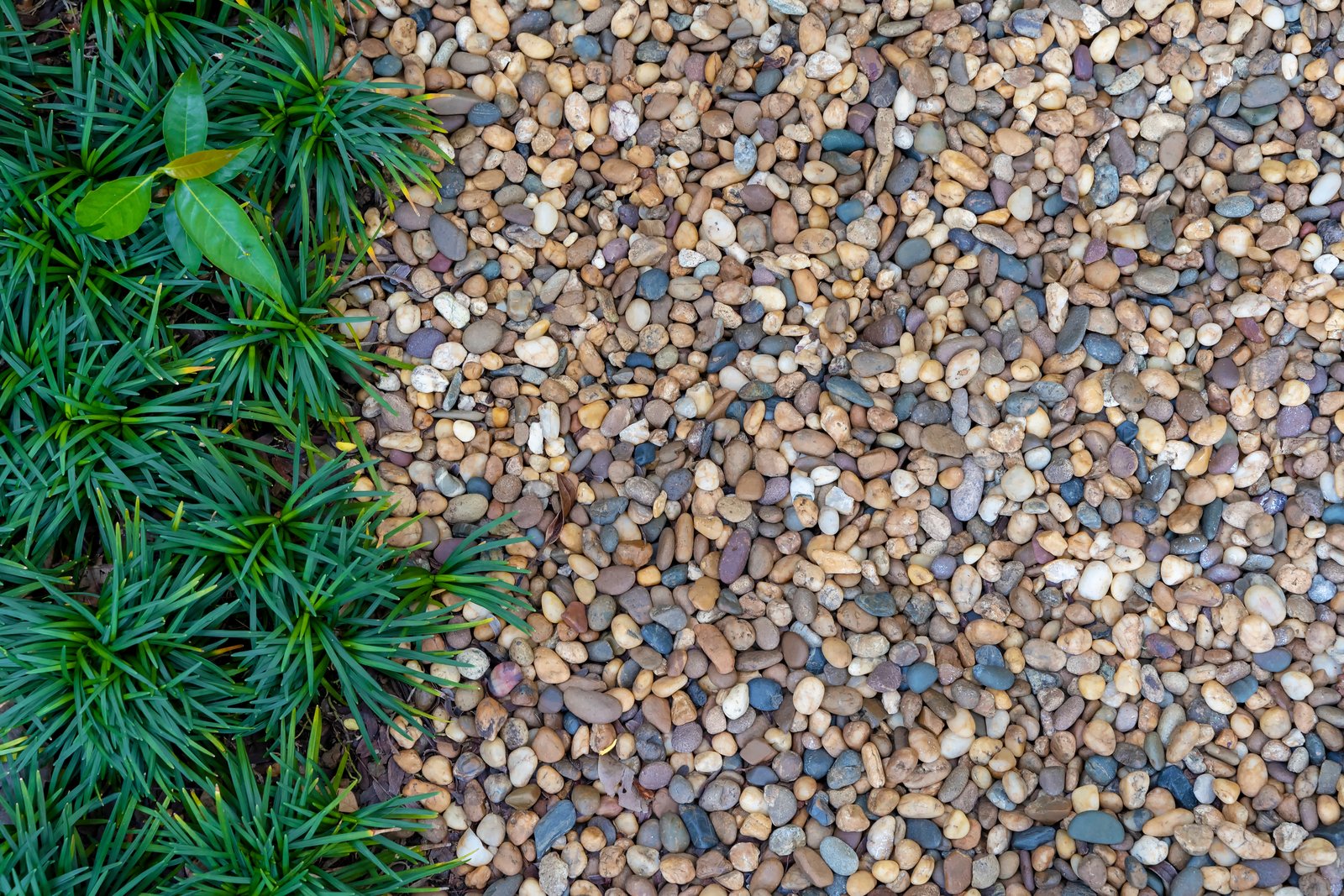
Look for full sun and sharp drainage. Dry banks, gravel edges and the poor strip beside a path all suit it. Avoid rich vegetable beds and any ground that stays wet in winter. Rich soil makes soft, floppy growth, and wet soil rots the crown.
Allow for the final size. A rosette spreads about 2 feet (60 cm) wide. The second-year spike often reaches 4 to 6 feet (1.2 to 1.8 m), so place it at the back of a bed where it shades nothing important.
Step 2: Clear and rake the soil
Remove every weed and any mulch from the patch. Mullein seedlings are tiny and slow at first, and they lose quickly to grass and vigorous weeds. Bare ground is what the plant looks for in the wild, where it colonizes disturbed soil.
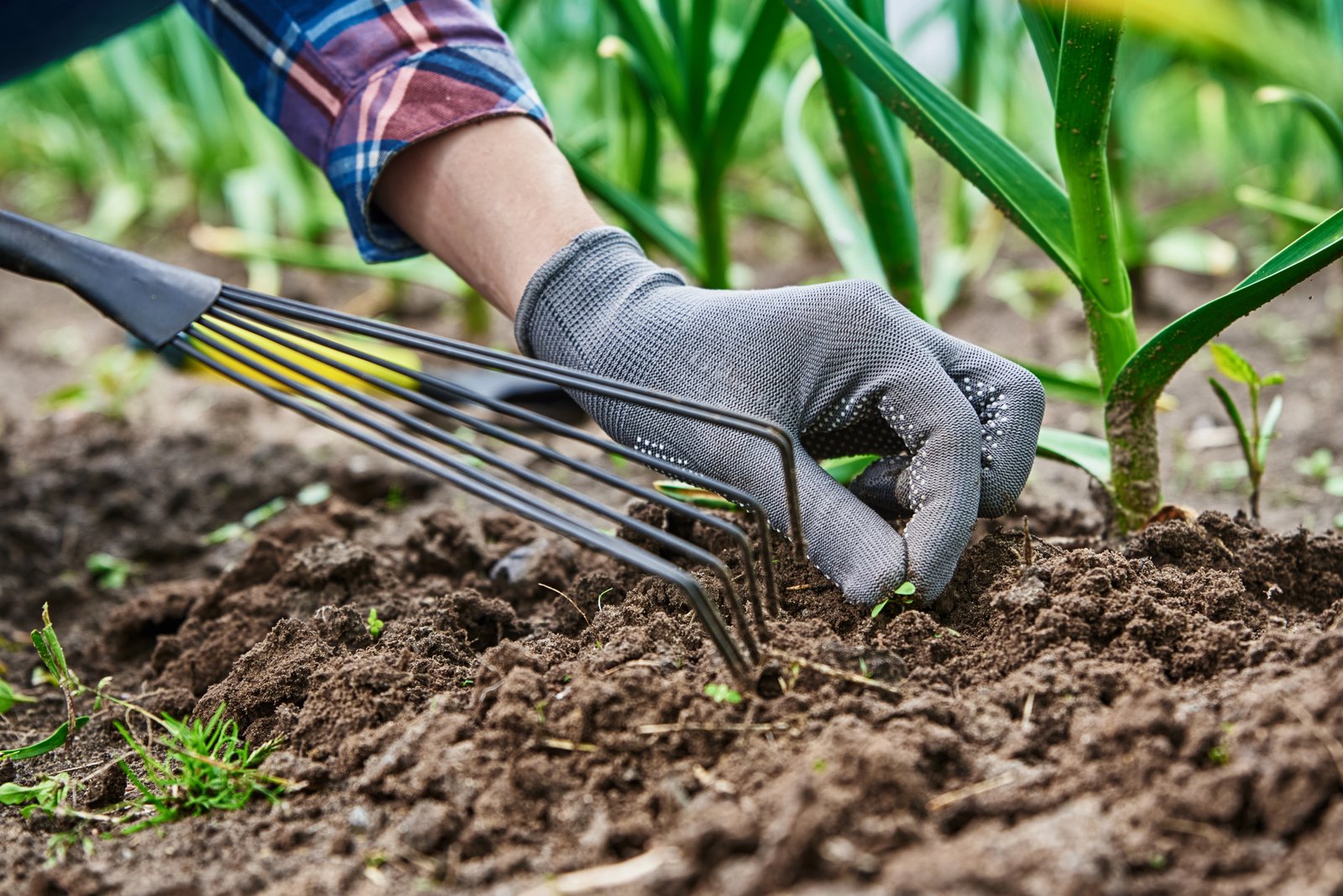
Rake the top inch (2.5 cm) into a fine, level surface. Break up clods and pick out stones larger than a marble. Add no compost, manure or fertilizer. If your soil is heavy clay, work in coarse sand or fine gravel to open it up, or sow on a raised mound so water runs away from the crown.
Water the patch lightly before sowing if the soil is dust dry. It is easier to dampen soil first than to water over loose seed afterward.
Step 3: Sow the seed on the surface
Shake a small pinch of seed into your palm. Mix it with a spoonful of dry sand, which helps you spread it thinly and shows where you have sown. Scatter the mix across the raked soil.
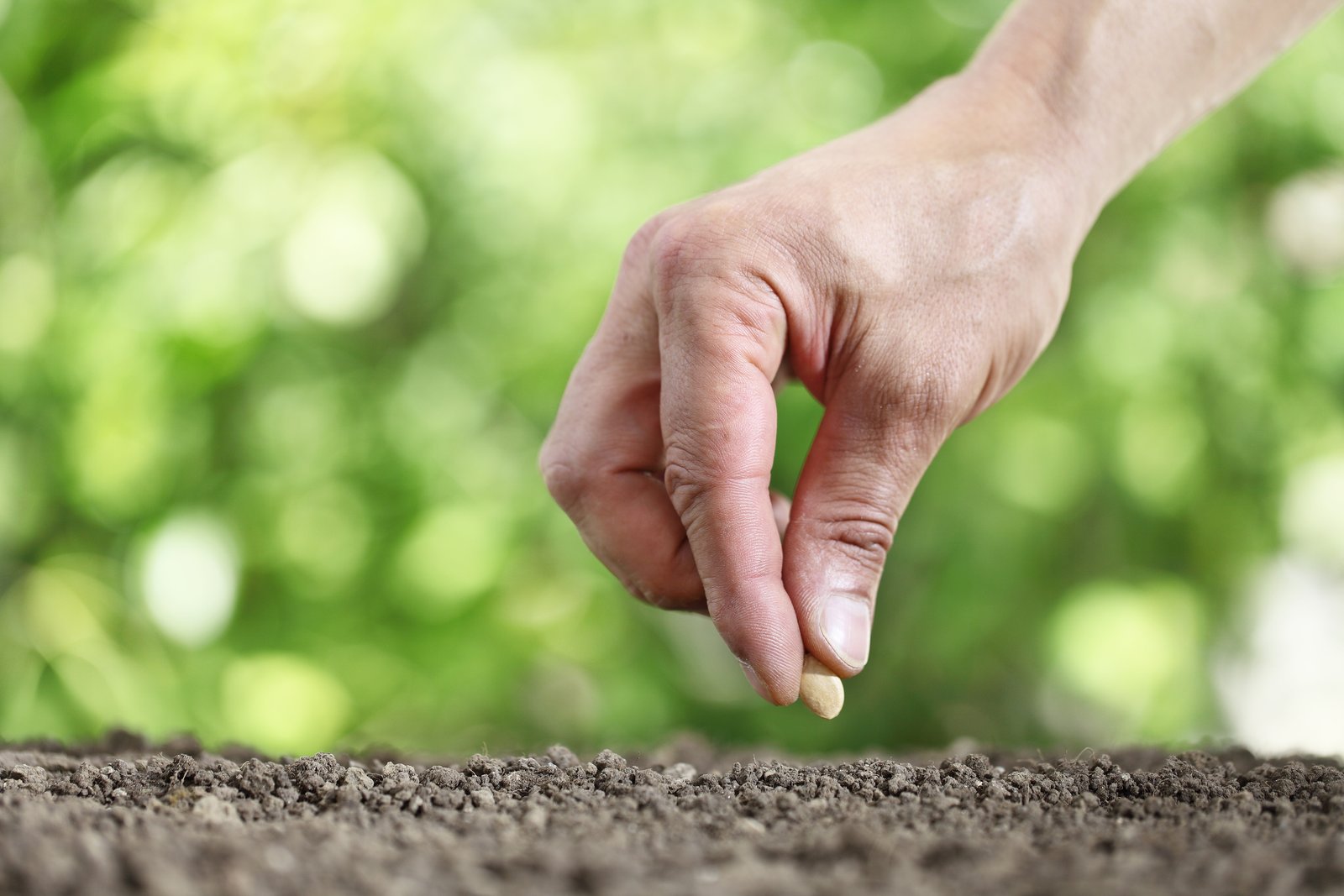
Do not cover the seed. Mullein seed needs light to germinate, and even a thin layer of soil stops most of it sprouting. Instead, press the surface flat with a board or the back of a spade. Firm contact with damp soil is all the seed needs.
To start indoors instead, use small, deep pots and sow about six to eight weeks before your last frost. Press two or three seeds onto the surface of damp seed compost in each pot. Keep the pots in bright light at about 65°F (18°C). Thin to the strongest seedling with scissors. Plant out while the seedlings are still small, with four to six leaves, and slide the root ball out without breaking it.
Step 4: Keep the surface damp until seedlings show
Mist or water with a fine rose so the seed is not washed into clumps or buried. The surface should stay slightly damp, never soggy, until you see growth. In warm spring soil, seedlings usually appear in two to three weeks. Fall sowings wait until the following spring.

The first leaves are small, pale and already fuzzy, which makes them easy to tell from weeds. Pull any weeds while they are tiny so you do not disturb the mullein roots.
Once seedlings have four or five leaves, start to water less. After the first couple of months, an established rosette rarely needs watering at all except in a long drought.
Step 5: Thin the rosettes
When seedlings are about 2 inches (5 cm) wide, thin them to 18 to 24 inches (45 to 60 cm) apart. Snip the extras at soil level, or pull them gently when the soil is damp. Crowded plants stay small and flower poorly.
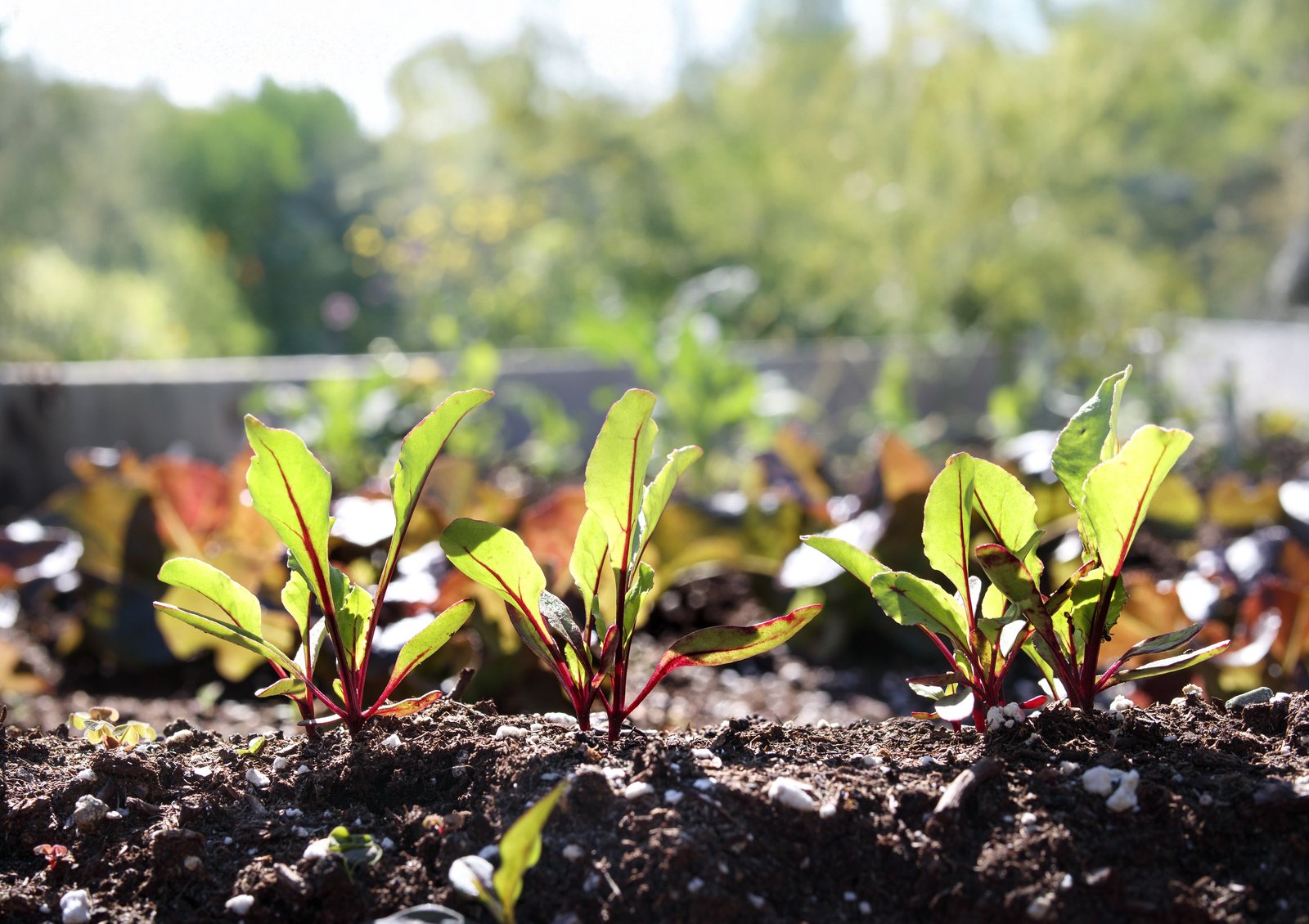
You can try moving a few thinnings at this size. Lift each one with a trowel-deep plug of soil so the young taproot stays whole. Water it in and shade it for a few days. Larger plants are not worth moving.
Then leave the rosettes alone. Do not feed them and do not mulch over the crown, since damp mulch against the woolly leaves invites rot. The rosette stays green or gray through winter and needs no cover.
Step 6: Harvest leaves and cut the spike
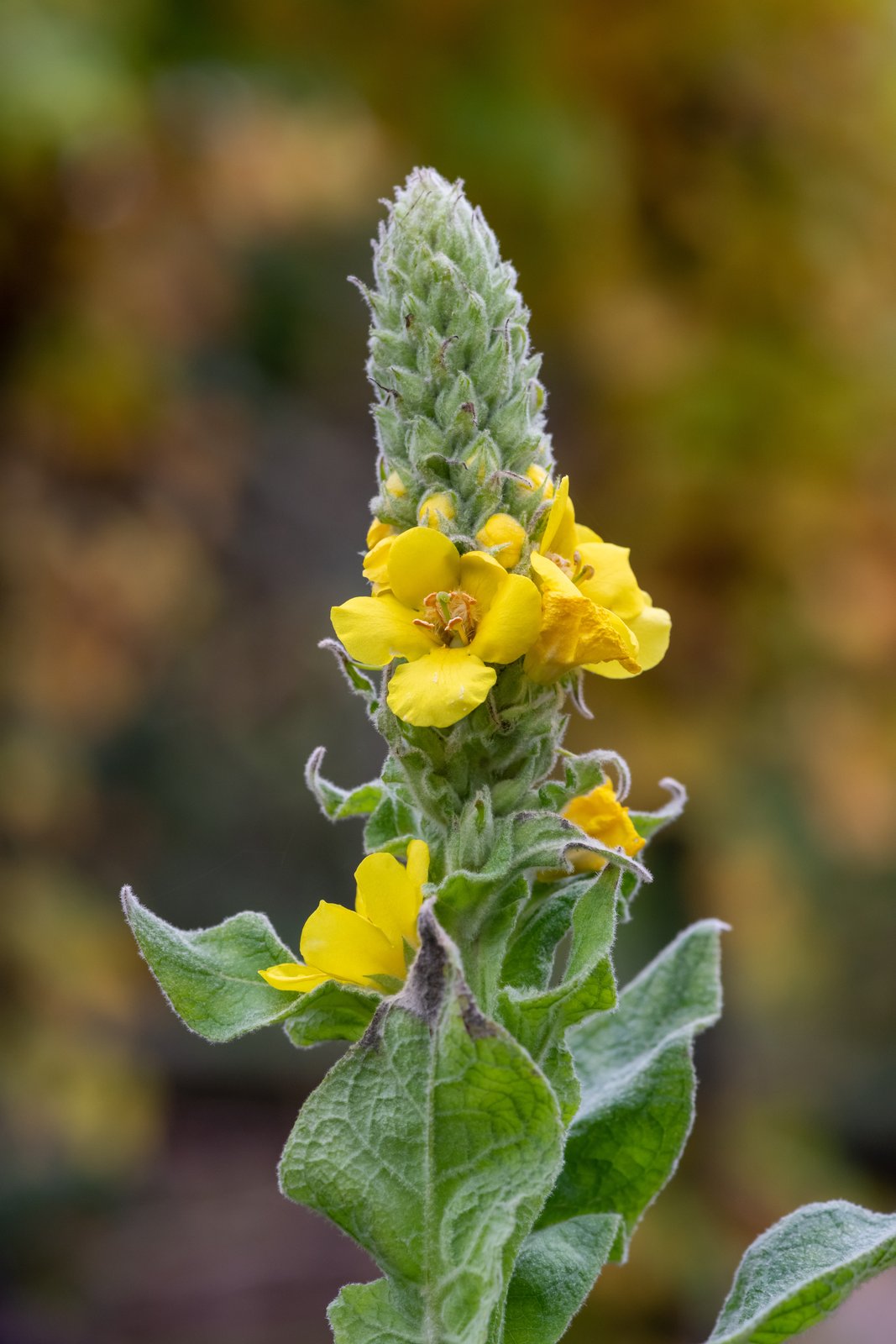
In the second spring, the center of the rosette rises into a single thick stalk. Small yellow flowers open a few at a time along the spike through summer. Bees visit them freely.
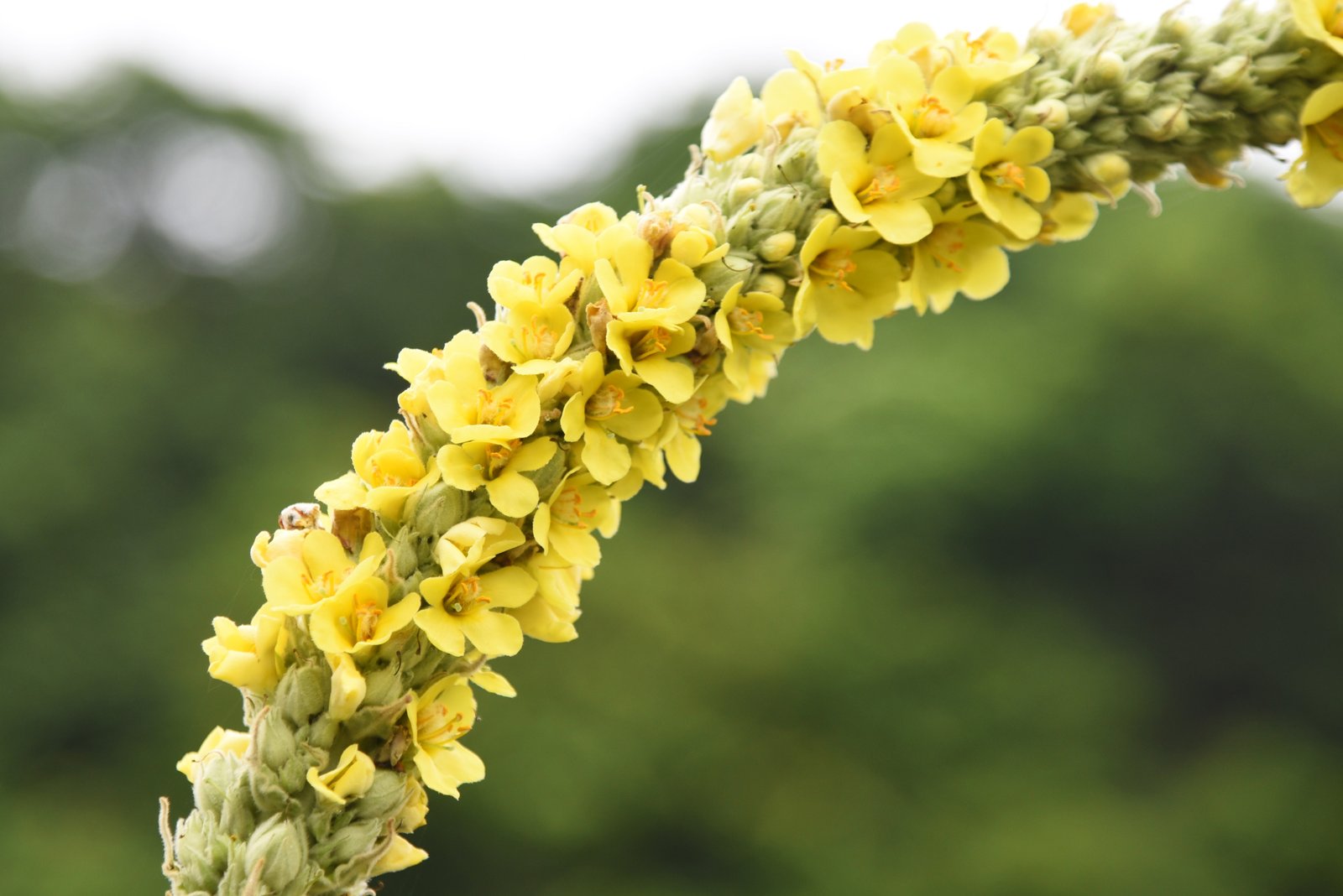
Pick leaves on a dry morning, taking clean, undamaged ones from the rosette. Wear gloves, because the fine leaf hairs irritate some people's skin. Dry the leaves in a single layer somewhere warm and airy. They are thick, so drying often takes a week or more.
Mullein has a long history in the southern Appalachians. Anthony Cavender's Folk Medicine in Southern Appalachia records that mountain families brewed the leaves into teas and syrups for coughs and colds. That is history, not medical advice, and this guide makes no health claims for the plant.
One spike can ripen a huge quantity of seed, and that seed stays alive in soil for many years. Cut the spike at the base as soon as the last flowers at the tip fade and before the lower capsules turn brown. Bag it and put it in the trash, not the compost.
Common problems
No seedlings appear
The seed was probably buried, washed away or allowed to dry out. Sow again on a firmed surface, leave it uncovered and mist it daily. Also check the soil temperature. Seed sits idle in cold soil and sprouts only once it warms.
The rosette turns brown and mushy at the center
This is crown rot from wet soil, usually in winter. There is no cure for an affected plant. Sow the next batch in a drier spot, on a slope or mound, and keep mulch away from the crown.
The plant is tall, soft and falls over
The soil is too rich or the site too shady. Stake the spike for this season with a single cane. Next time, choose leaner ground in full sun and add no fertilizer.
No flower spike in the second year
Rosettes that stayed small in year one, from a late sowing, crowding or shade, often wait another year. Thin the plants, clear competing weeds and be patient. The spike usually follows the next summer.
Seedlings come up everywhere
An earlier spike shed its seed. Hoe the seedlings off while they are small, which is easy before the taproot thickens. Keep doing this each spring, because buried seed keeps sprouting for years whenever soil is disturbed.
What to do next
After you cut the spent spike, the plant dies, so pull it and clear the spot. If you want mullein every year, sow a fresh pinch of seed each spring so you always have one batch of rosettes and one batch in flower. Store dried leaves in a lidded jar out of the light, and label the jar with the harvest year.