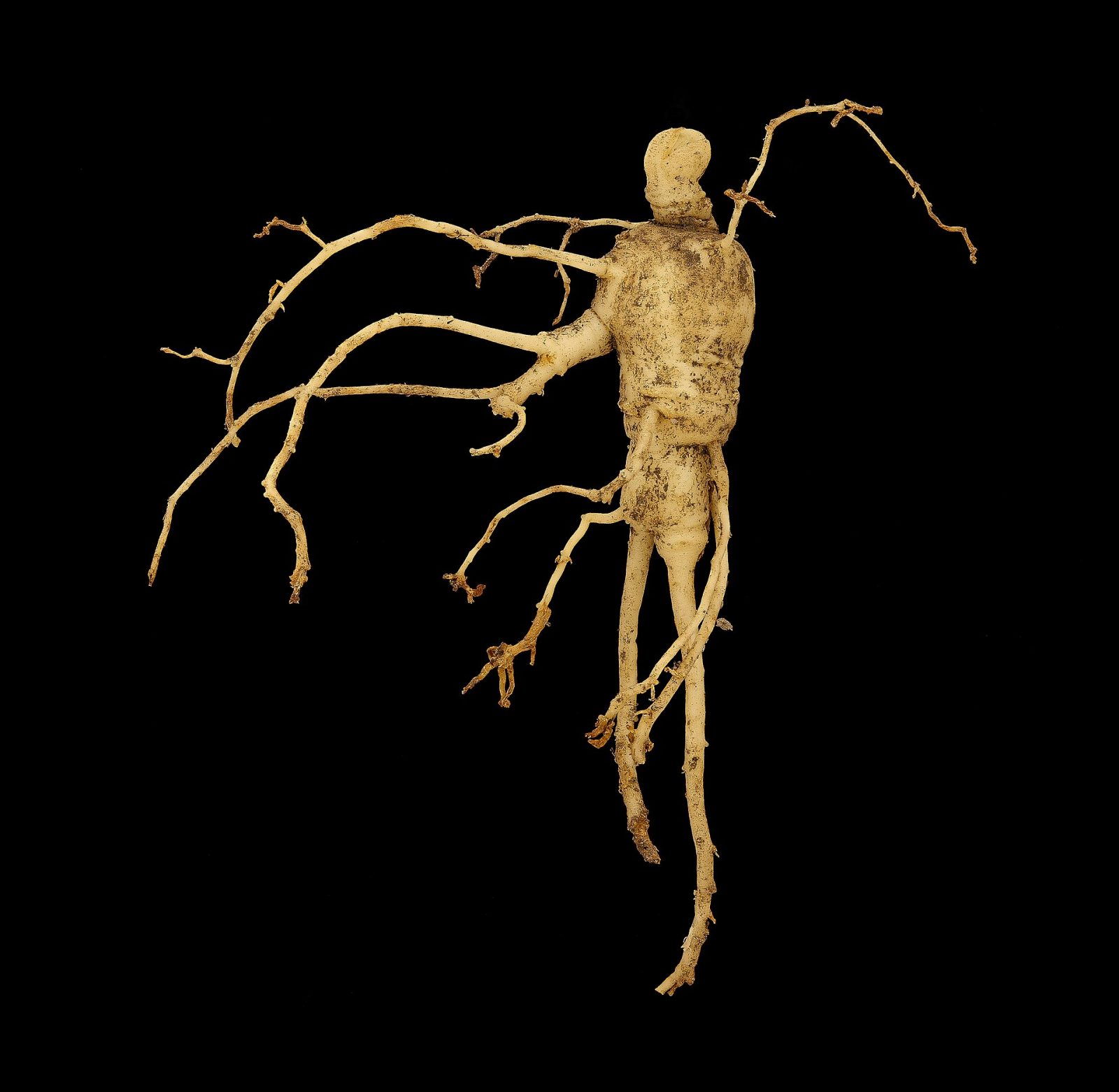
American ginseng (Panax quinquefolius) is a slow woodland native, and a patch grown from seed is a project measured in years. This method is called wild-simulated growing. You sow seed into an existing woodland floor and then mostly leave it alone. The site matters more than anything you do afterwards. Get the shade, soil and slope right and the plants look after themselves.
What you need
- Stratified ginseng seed from a reputable grower, never wild-dug plants
- A patch of mature hardwood woodland with 70 to 80 percent shade
- Moist, well-drained loam that is rich in leaf mould
- A north- or east-facing slope, if you have one
- A leaf rake and a hoe or narrow trowel
- A bucket of water for testing seed
- Plain markers, or a private map of the patch
- Patience: a harvestable root commonly takes 5 to 10 years
When to sow ginseng seed
Sow in autumn, after the trees start to drop their leaves and before the ground freezes. The seed then sits through winter under fresh leaf litter and sprouts in spring. This is how the plant seeds itself in the wild.
Ginseng seed has a deep dormancy. It needs a long warm, moist period followed by a long cold one before it can sprout. Fresh seed from a ripe berry usually waits about 18 months in the ground. This is why you buy stratified seed, which is seed the grower has already held in moist sand for a year. Stratified seed sown in autumn usually comes up the following spring.
Ginseng grows in roughly USDA zones 3 to 8. It needs a real winter. In the warm end of that range, choose the coolest, shadiest slope you have. Order seed early, because growers ship it in autumn and often sell out.
Step 1: Choose the right patch of woods
Walk your woodland in summer, when the canopy is full. You want deep, even shade of about 70 to 80 percent. Tall hardwoods such as sugar maple, tulip poplar, beech, basswood and oak give the right kind of shade. Pine and other conifer stands are usually too dry and too acidic.
A north- or east-facing slope stays cooler and moister than one that faces south or west. A gentle slope also sheds water, which matters a great deal. Ginseng roots rot in ground that stays wet.
Look at what already grows there. Jack-in-the-pulpit, trillium, Solomon's seal, maidenhair fern and wild ginger like the same conditions. A floor covered in these plants is a good sign. A floor of bare, packed soil or dense grass is a poor one.
Dig a small test hole. The soil should be dark, loose and crumbly under the leaves. It should feel moist but never soggy.
Step 2: Check the seed before you sow
Open the seed as soon as it arrives. Stratified seed must never dry out, because dry seed dies. It should look plump and feel damp. Many of the seeds show a split along the seam, which is normal and a good sign.
Tip the seed into a bucket of water. Sound seed sinks within a few minutes. Seed that keeps floating is usually empty, so skim it off and discard it. Drain the rest.
Sow within a few days if you can. If you have to wait, keep the seed damp and cool. A bag of moist sand in the refrigerator works well. Do not freeze it, and do not seal it airtight. Check it every few days and discard any seed that turns soft or mouldy.
Step 3: Rake back the leaf litter
Work in small beds rather than one large block. Strips about 5 feet (1.5 m) wide running up and down the slope are easy to manage. Leave undisturbed woodland between them. Separate small beds slow the spread of disease and are harder for a thief to spot.
Rake the leaves to one side of the strip to expose the soil. Keep the pile close, because you need it again shortly. Pull out small stones and fallen branches. Leave tree roots and the other woodland plants where they are.
Do not dig the bed over, and do not add fertiliser or compost. Wild-simulated ginseng grows in undisturbed soil. Rich, worked ground produces fast, soft growth that is more prone to disease.
Step 4: Sow the seed 3/4 inch deep
Scratch shallow furrows across the slope with the corner of a hoe. Make them about 3/4 inch (2 cm) deep and roughly 12 inches (30 cm) apart. Drop one seed every 3 to 6 inches (8 to 15 cm) along each furrow.
Push the soil back over the seed and firm it with your foot or the back of the rake. Good contact with the soil keeps the seed moist through winter. Seed left on the surface dries out or gets eaten.
Do not sow thickly to make up for losses. Crowded ginseng stays damp after rain, and damp leaves invite blight. Thin, well-spaced plantings are the healthiest ones over the long run.
Step 5: Cover the bed with leaves again
Rake the leaf litter back over the bed straight away. Aim for a loose layer 1 to 2 inches (2.5 to 5 cm) deep. The leaves hold moisture and protect the seed from hard frost. They also hide your work. The autumn leaf fall then adds to the layer for you.
Avoid thick mats of whole oak leaves, which can smother small seedlings. If the layer looks heavy, break it up with the rake.
Record where each bed is. A sketch map kept at home is safer than bright stakes in the woods. If you mark the beds at all, use something that means nothing to a passer-by.
Step 6: Watch the patch and leave it alone
Seedlings appear in spring. A first-year plant is tiny, with one short stem and three small leaflets. It looks a little like a wild strawberry. Each year the plant adds size. In time it grows several leaf stalks, called prongs, each with five leaflets. Small greenish flowers and red berries usually start after the third or fourth year.
Expect losses. Some seed never sprouts, and some seedlings vanish in the first two summers. This is normal for a wild-simulated patch.
Your work is light. Pull fallen branches off the beds. Thin out heavy weed or brush growth that crowds the plants. Do not water, feed or mulch beyond the natural leaf fall. When the berries ripen red in late summer, press them into the soil near the parent plant. This thickens the stand over time.
Wild American ginseng is an at-risk native, and states regulate its harvest and sale. Never dig wild plants to start a patch; buy stratified seed or nursery-grown roots. Check your state's rules before you harvest or sell a single root, including roots you grew yourself.
Common problems
Seedlings are chewed off or have ragged holes
Slugs are the usual cause, especially in wet springs. Look for slime trails in the morning. Pull back any very thick, soggy litter around the plants to reduce hiding places. Hand-pick slugs after dark. If you use slug bait, choose an iron phosphate type and follow the label directions exactly.
Seed or roots disappear underground
Mice and voles eat seed and gnaw roots, and they travel in tunnels under the litter. Sow at the full 3/4 inch (2 cm) depth and firm the soil well. Keep brush piles and tall grass away from the beds, because both shelter rodents. Deer and wild turkeys also browse tops and scratch up seed. Scattered small beds spread that risk.
Leaves show brown spots with yellow halos in summer
This is usually Alternaria blight, a fungal leaf disease that spreads in warm, wet weather. Spots grow, leaves collapse, and the top dies early. The root often survives and resprouts the next spring. Crowded plants and still air make it worse. Thin dense stands, remove badly infected tops, and keep beds small and well separated.
Seedlings topple over at soil level
This is damping off, a fungal rot of young stems. It strikes in wet, poorly drained soil and in thick sowings. You cannot cure affected seedlings. Prevent it instead by choosing a well-drained slope and sowing thinly. Do not resow the same wet spot.
Plants vanish overnight, with fresh holes left behind
This is theft, and it is the hardest problem to solve. Tell as few people as possible about the patch. Plant out of sight of roads and trails. Post your land where the law allows, and report losses to local law enforcement. Mature plants with red berries are the easiest to spot, so visit often in late summer.
What to do next
Let the patch grow for at least five years, and longer if you can. Older roots are the ones worth lifting. Before then, check your state's rules on harvest seasons, plant age and selling. Mountain families dug and sold "sang" for cash for generations, a history Anthony Cavender describes in Folk Medicine in Southern Appalachia. That is history only. Nothing in this guide is medical advice.