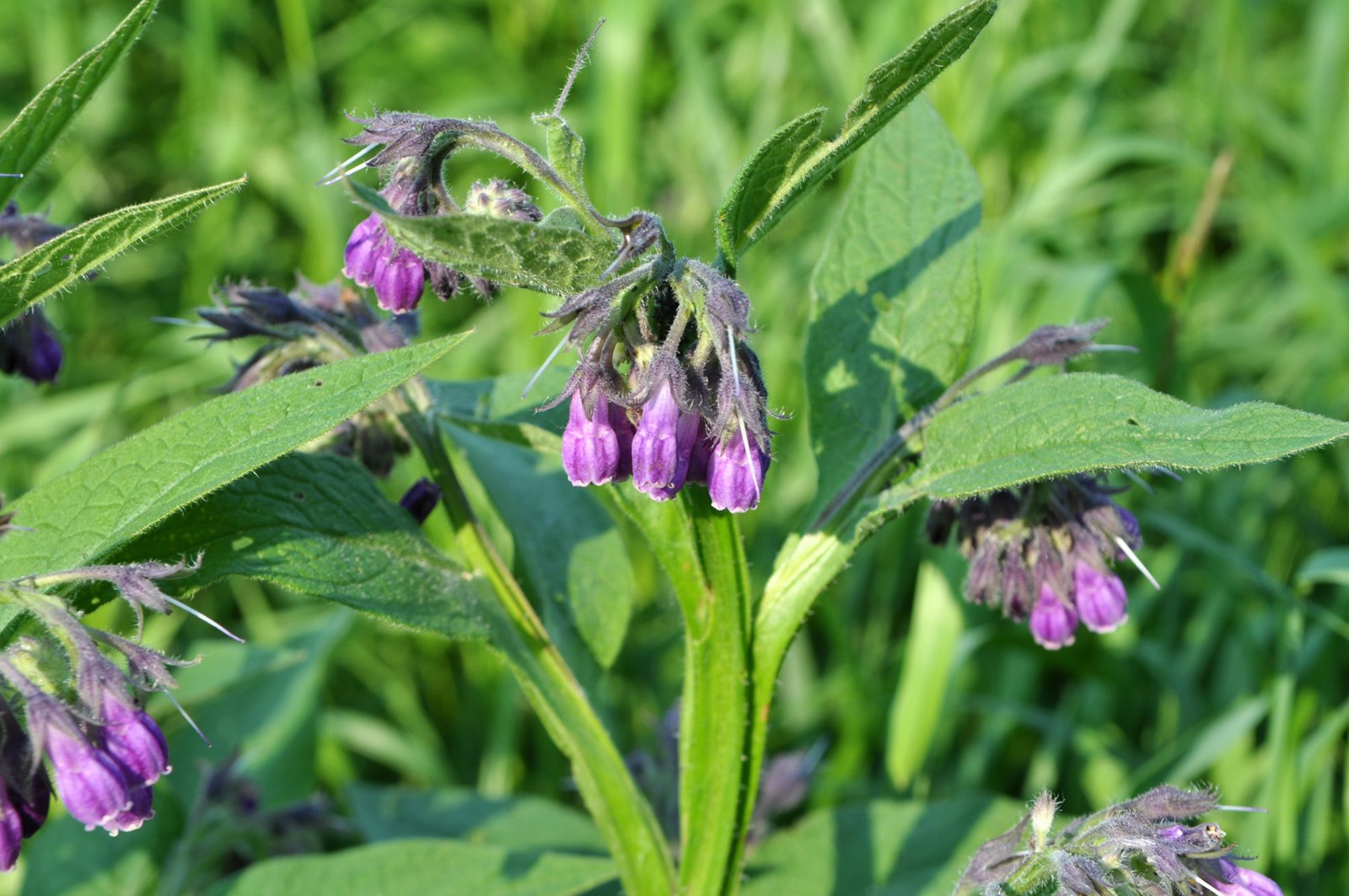
A few comfrey plants give you armfuls of soft, nutrient-rich leaves every few weeks, for years, from one planting. You use those leaves as mulch, compost material and liquid plant food. The decision that matters most comes first: where you put it. Comfrey regrows from any scrap of root left in the ground, so choose a site you never plan to dig again.
What you need
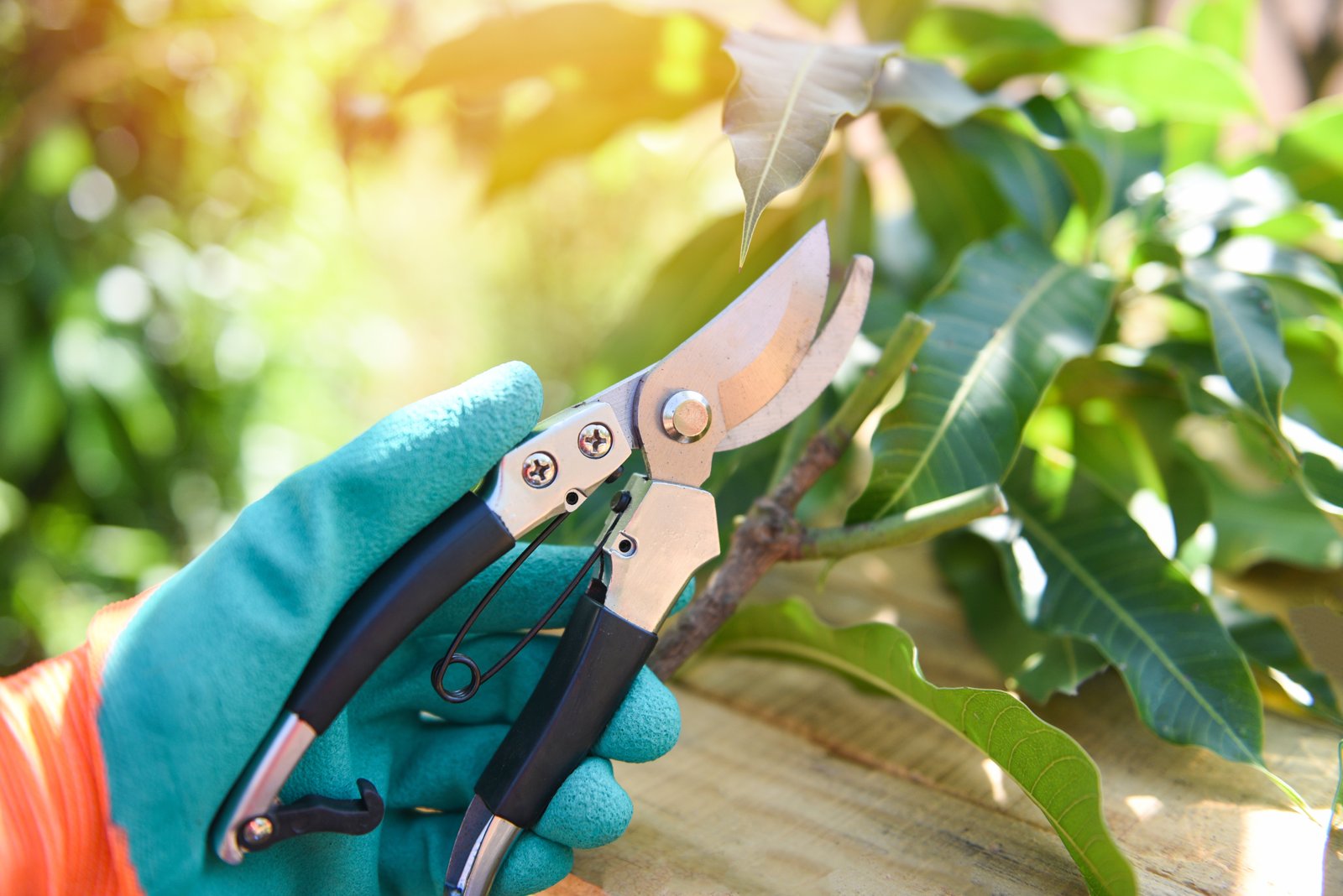
- Root cuttings or crown divisions of 'Bocking 14' comfrey
- A permanent spot in sun or part shade
- Reasonably deep, moisture-holding soil
- Compost or well-rotted manure
- A spade or trowel
- Shears, a sickle or a sharp knife for cutting
- Gloves and long sleeves
- A bucket or barrel with a tight lid, if you want liquid feed
When to plant comfrey
Plant in spring once the soil can be worked, or in early autumn at least six weeks before your ground freezes. Both seasons give cool, moist soil, which helps roots settle in. Root pieces are tough and tolerate light frost.
You can plant potted comfrey through summer too, as long as you water it during dry spells. Bare root cuttings planted in summer heat often dry out before they sprout.
Comfrey (Symphytum) is a hardy perennial, meaning it lives for many years. It grows in roughly USDA zones 4 to 9. It dies back to the ground after hard frost and returns early in spring. In hot-summer areas, give it afternoon shade and extra water. It sulks in dry heat.
Step 1: Choose a sterile variety
Buy the cultivar 'Bocking 14'. It is a selection of Russian comfrey (Symphytum × uplandicum) developed in England for garden use. Its seed is sterile, so it cannot self-seed around your garden. It spreads only if you cut or move its roots.
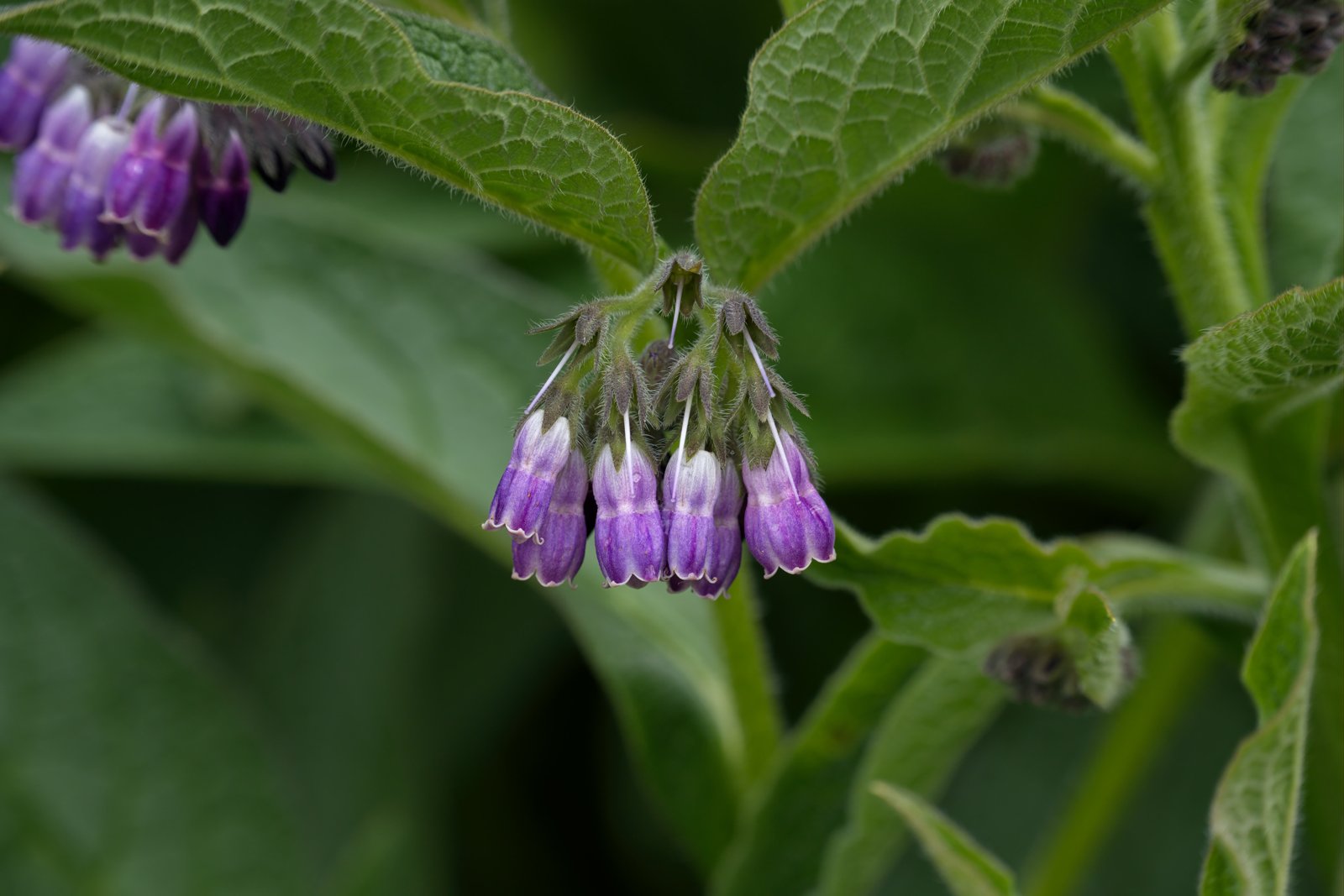
Common comfrey (Symphytum officinale) is a different matter. It sets fertile seed and pops up in beds and paths. Seedlings are hard to remove once their roots go down. If a seller offers comfrey seed, it is not 'Bocking 14'.
Because it makes no seed, 'Bocking 14' is sold as living pieces:
- Root cuttings are short lengths of root, usually 2 to 6 inches (5 to 15 cm) long. They are the cheapest option and take a little longer to establish.
- Crown divisions include a growing bud at the top of the root. They sprout faster and can give a light cut in their first year.
- Potted plants cost the most and establish fastest.
For an average vegetable garden, four to six plants supply plenty of leaves.
Step 2: Pick a permanent site
Treat this choice as final. Comfrey's thick roots run several feet (a metre or more) deep. Digging a plant out always leaves fragments, and each fragment grows a new plant. Tilling through comfrey spreads it across the whole bed.
Good places include:
- Beside the compost bins, where you use the leaves most
- Along a fence or the edge of the garden
- Around fruit trees, a little way out from the trunk
- A damp corner where little else thrives
Keep it out of vegetable beds you dig or till, and away from narrow paths. A mature plant reaches 3 to 4 feet (90 to 120 cm) tall and nearly as wide.
Comfrey grows in full sun to part shade. It tolerates most soils, including heavy clay, and prefers ground that holds moisture. Growth is strongest in fertile soil, since the plant is a heavy feeder on nitrogen. It dislikes thin, dry soil over rock.
Step 3: Plant the cuttings or crowns
Clear perennial weeds from the site first. You cannot fork them out later without chopping comfrey roots. Loosen the soil and mix a spadeful of compost into each planting spot.
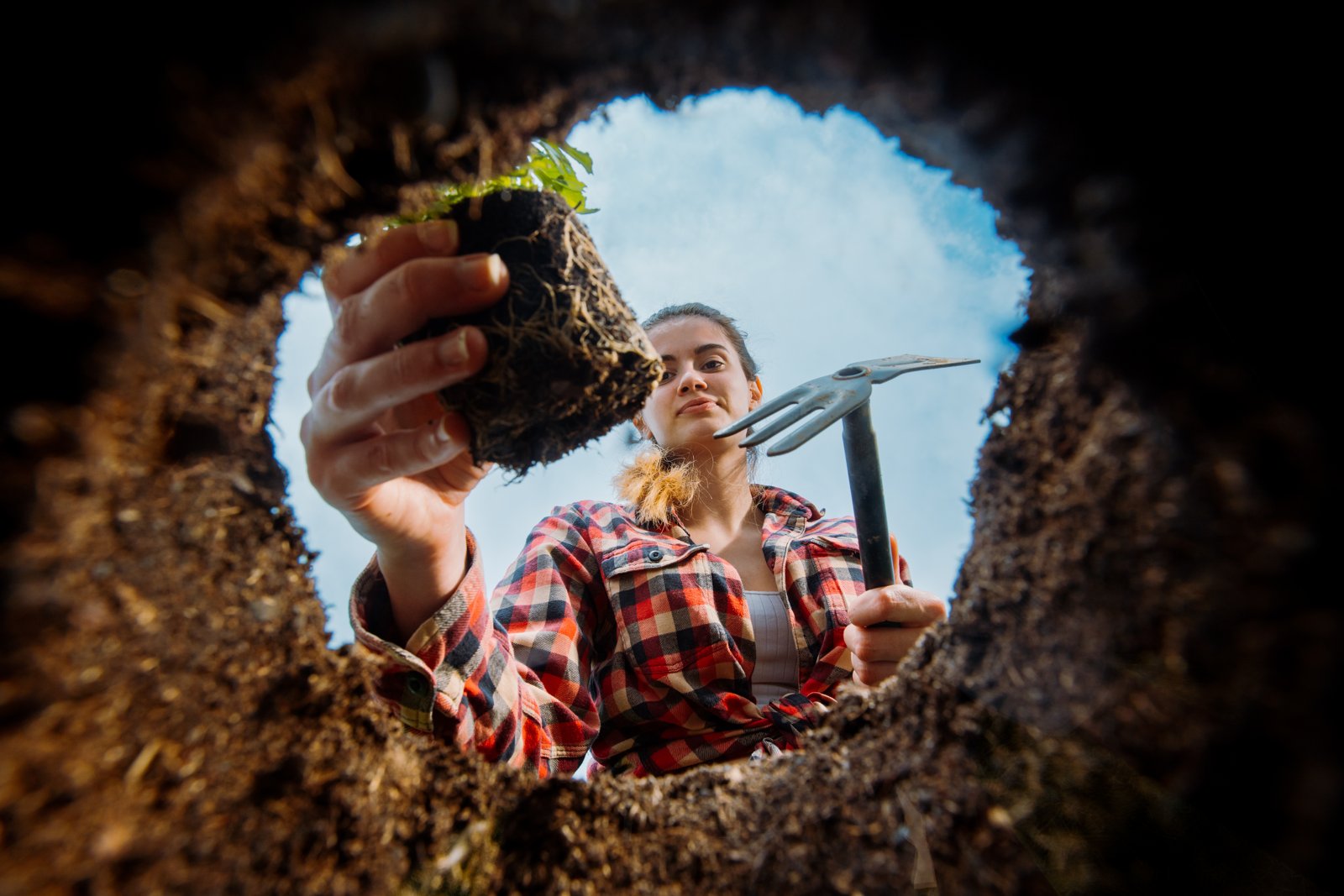
Space plants 2 to 3 feet (60 to 90 cm) apart. Then plant according to what you bought:
- Lay root cuttings flat, 2 to 3 inches (5 to 8 cm) deep, and cover with soil.
- Set crown divisions upright with the bud just below the surface.
- Plant potted comfrey at the same depth it sat in the pot.
Firm the soil and water well. Keep the area moist until shoots appear. That takes anything from two to several weeks, depending on soil warmth. Mulch around each spot and mark it with a stick, because young shoots are easy to weed out by mistake.
Step 4: Let the plants establish
Go gently in the first year. The plant needs its leaves to build the deep root system that powers later harvests. Take no leaves from root cuttings in year one. From crowns or potted plants, take one light cut late in the season at most.
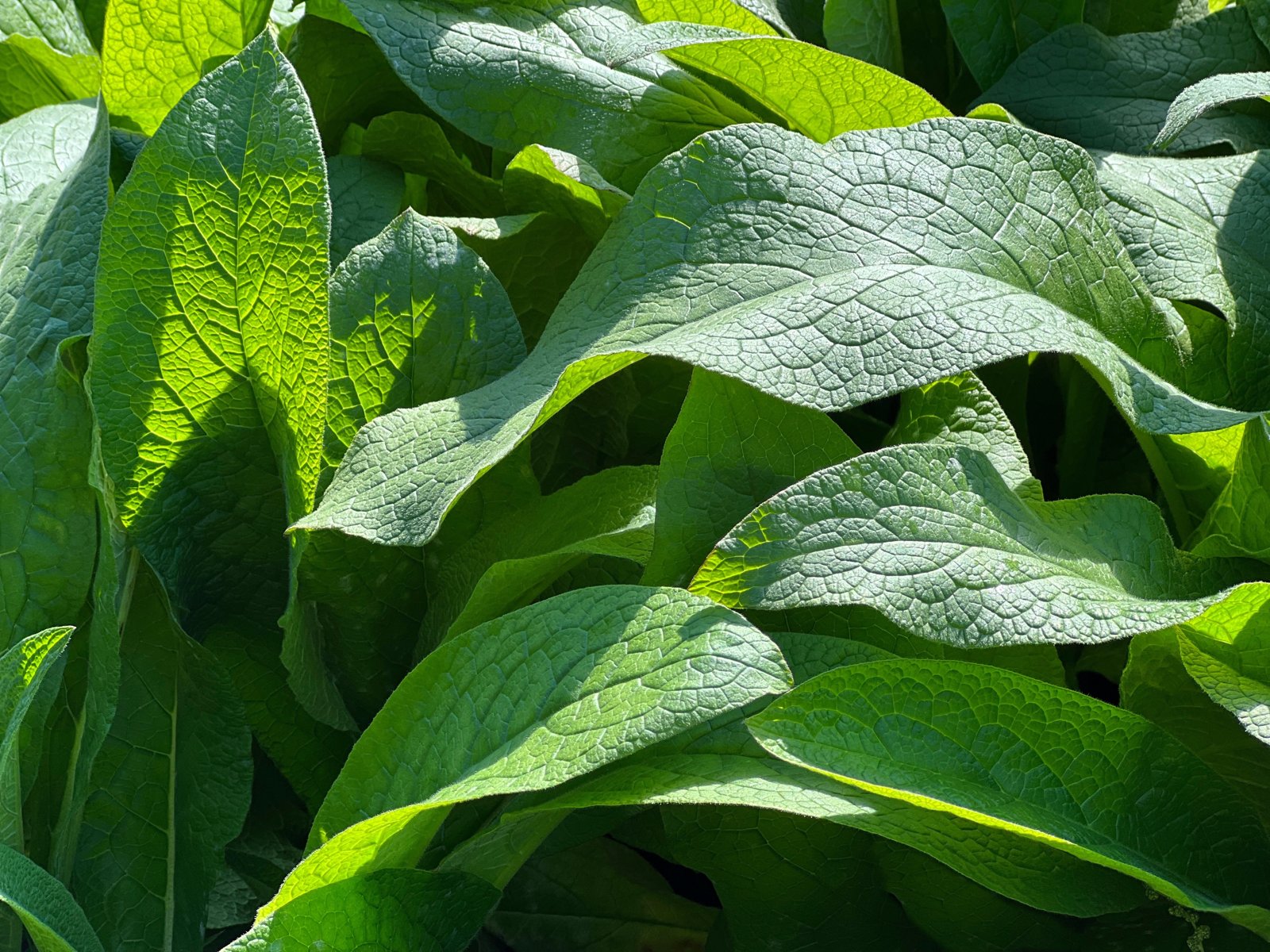
Water during dry weather in the first summer. Established plants handle short droughts, though leaf growth slows.
Cut off flower stalks as they form in the first year. This sends energy into roots and leaves. In later years you can leave some flowers, since bees love the purple bells.
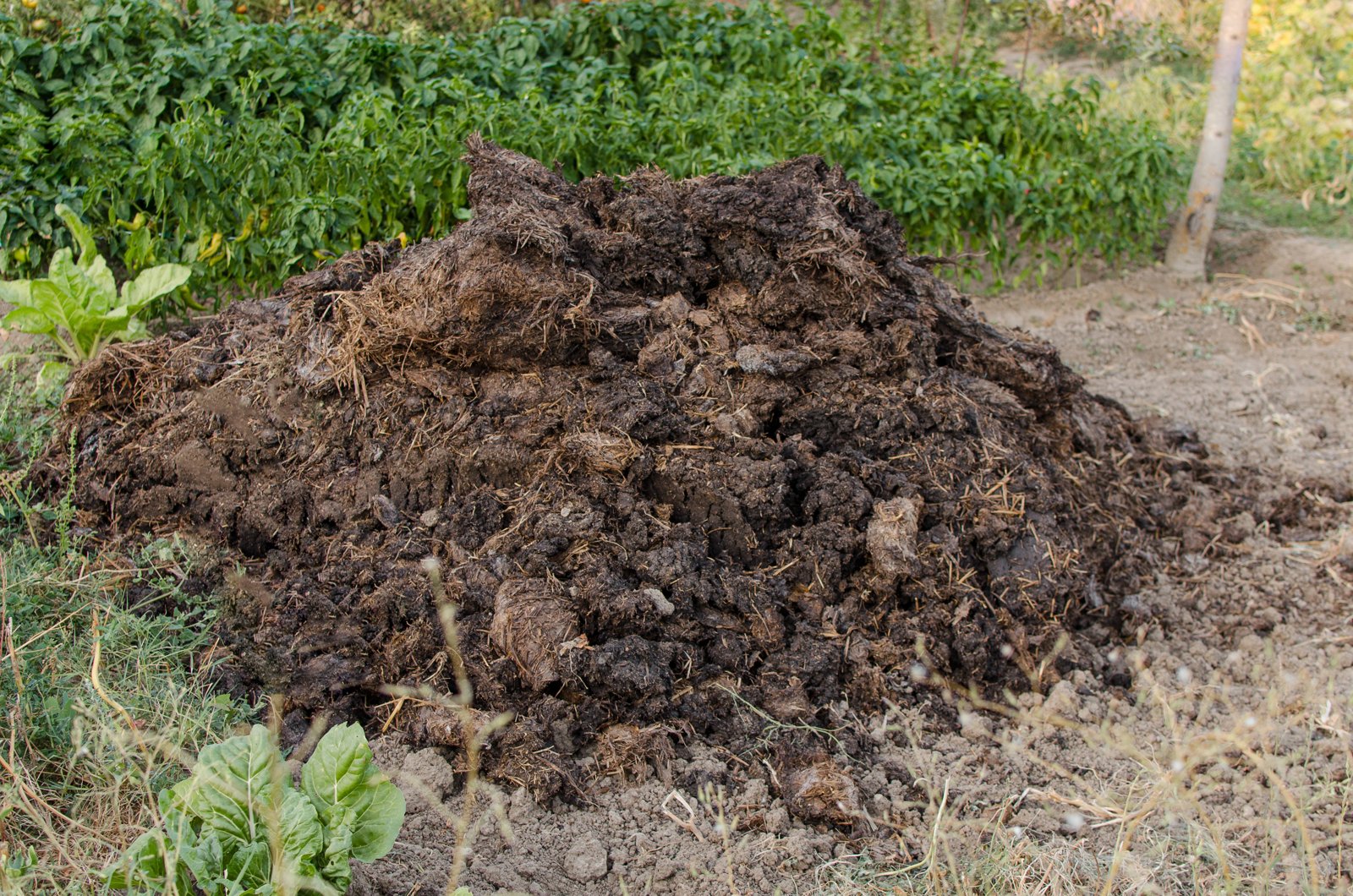
Feed the plants to keep them productive. Comfrey tolerates fresh, strong nitrogen sources that burn other plants. Many gardeners mulch it with manure, grass clippings or compost once or twice a year.
Step 5: Cut the leaves through the season
From the second year, you can cut an established plant several times a season. Four or five cuts is common in a long growing season. Expect fewer in short-season or dry gardens.
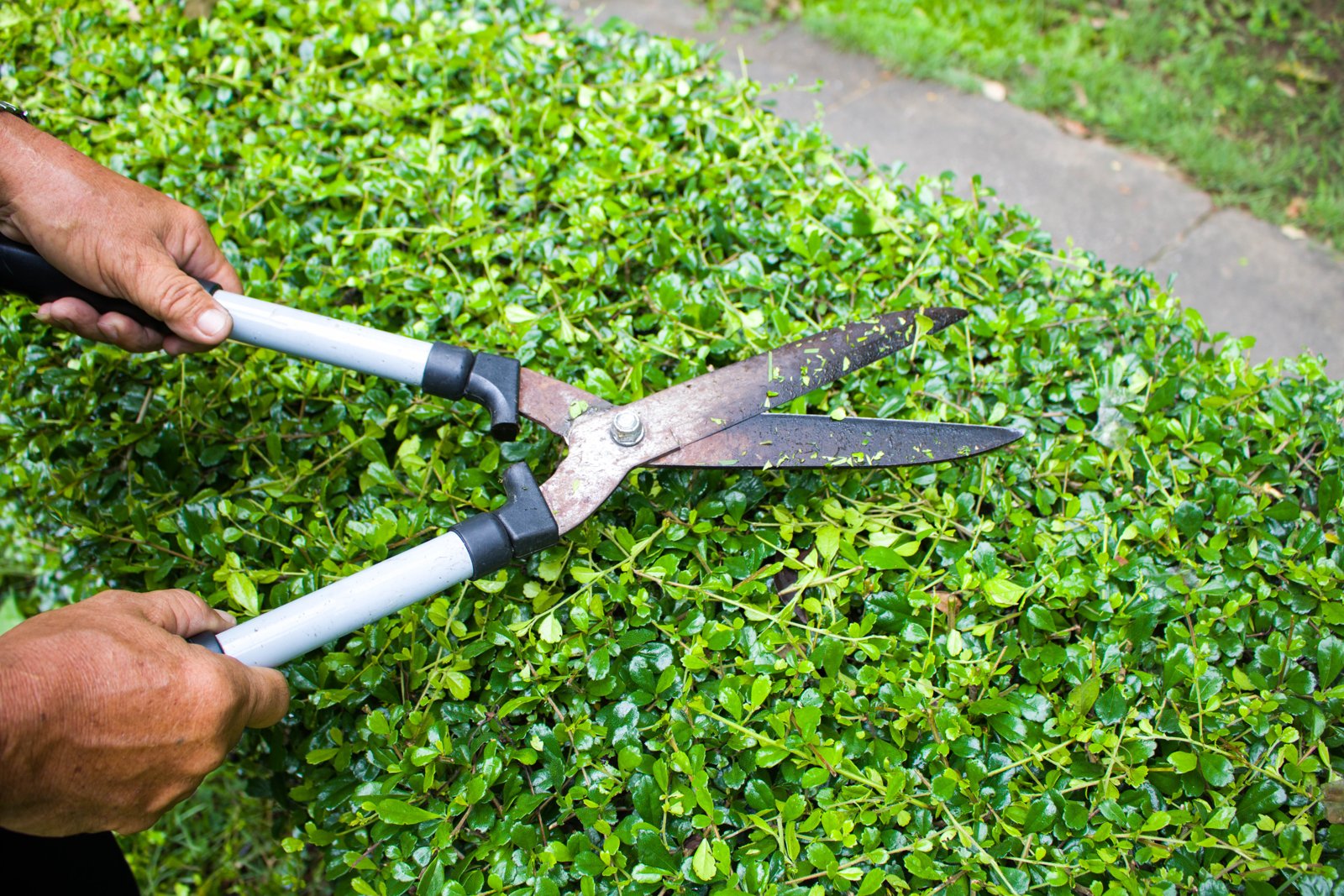
Make the first cut in mid to late spring, when plants stand about 2 feet (60 cm) tall and flower stalks begin to rise. Gather the leaves in one hand and slice through the whole clump about 2 inches (5 cm) above the ground. Use sharp shears, and cut away from your body. The plant regrows fast. It is usually ready again in four to six weeks.
Stop cutting about a month or more before your first expected autumn frost. The last flush of leaves feeds the roots for winter. It then dies down and mulches the crown.
Do not eat comfrey or drink it as tea. It contains pyrrolizidine alkaloids, natural compounds that can damage the liver. Grow it for the garden only. The leaves and stems have bristly hairs that irritate some skin, so wear gloves and long sleeves when you cut it.
Step 6: Use the leaves as mulch and compost
Comfrey leaves are soft, low in fiber and rich in nitrogen and potassium. They rot quickly and release those nutrients as they go. Here are the three simplest uses.
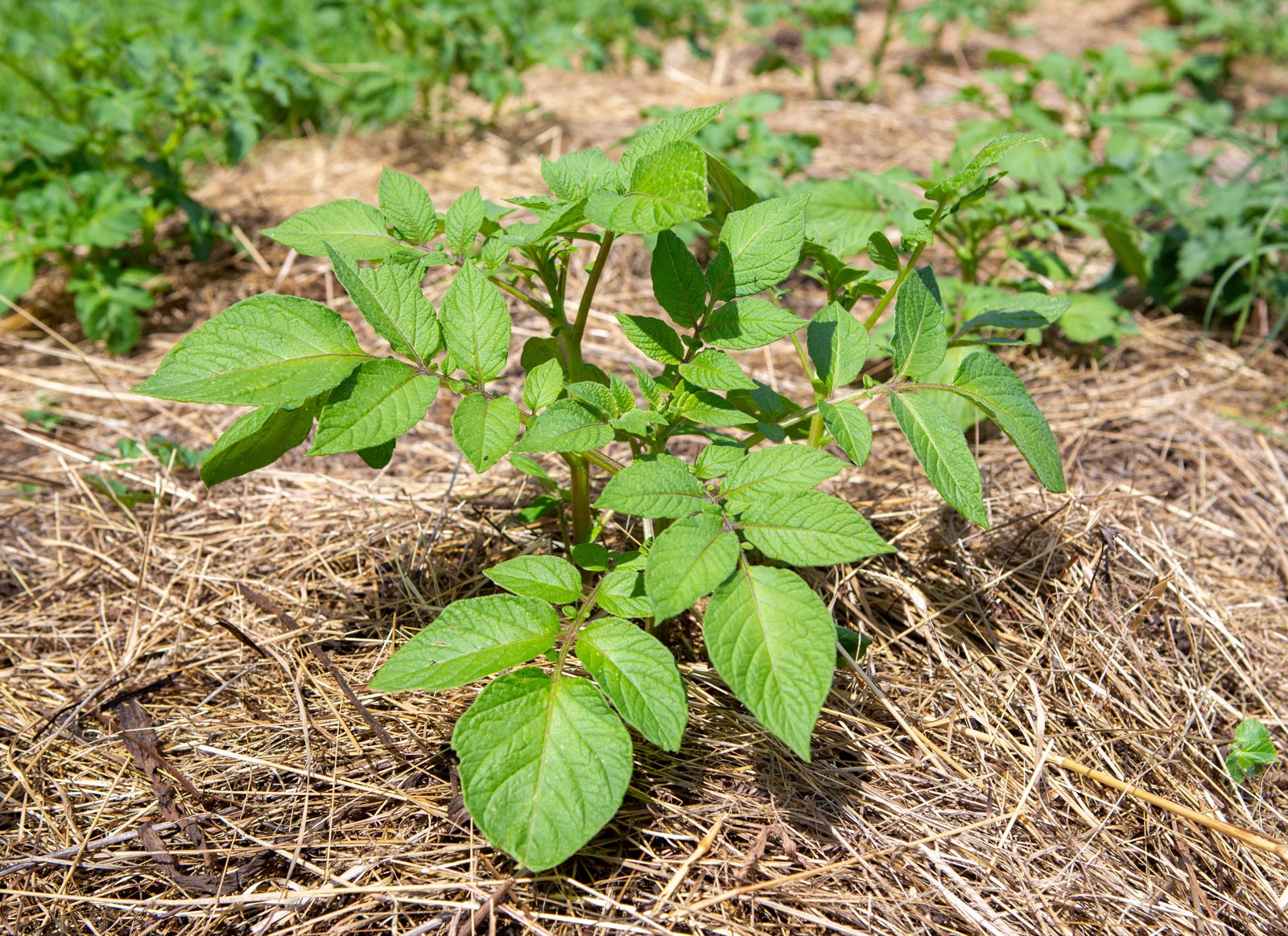
Chop-and-drop mulch. This means cutting a plant and laying the leaves straight on the soil as mulch. Spread a layer 2 to 4 inches (5 to 10 cm) thick around tomatoes, peppers, squash, berries and fruit trees. Let the leaves wilt for a day first, so no stem pieces can root. Keep mulch a little back from plant stems. The leaves shrink fast, so top up after each cut.
Compost activator. An activator is a nitrogen-rich material that heats a pile and speeds rotting. Mix comfrey in thin layers with dry, brown material such as fallen leaves or straw. A thick layer of comfrey alone turns slimy. Put in leaves and stems only. Never add roots or crowns to the compost, because they sprout.
Planting trench liner. Lay wilted leaves in the bottom of a trench or hole for potatoes or beans. Cover them with a little soil, then plant as usual.
Step 7: Make comfrey liquid feed
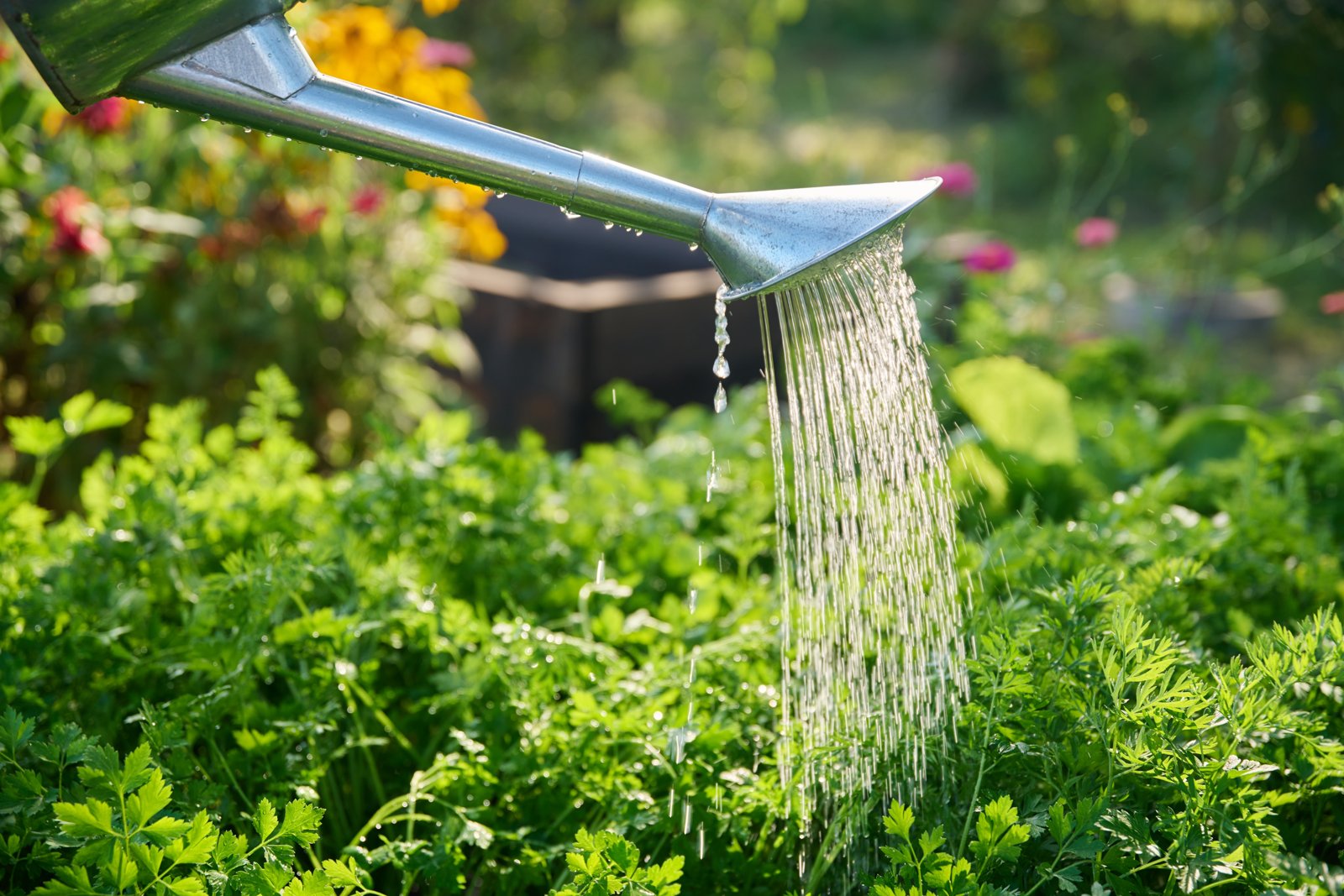
Comfrey liquid is a home-made fertilizer for fruiting crops and containers. Be warned: it smells truly foul. Make it far from the house and keep the lid on.
- Pack a bucket or barrel loosely with cut leaves.
- Weigh them down with a brick or stone.
- Cover the leaves with water and fit a tight lid.
- Leave it for three to six weeks, until the leaves break down into a dark liquid.
- Strain it, and put the sludge on the compost pile.
Always dilute it. A common mix is 1 part liquid to about 10 parts water, enough to look like weak tea. Undiluted feed can scorch roots. For a stronger concentrate, pack leaves in a container with no added water and collect the dark liquid that drips out. Dilute that more, around 1 part to 15 or 20 parts water.
Water it onto the soil around tomatoes, peppers, squash and potted plants every week or two once they start to flower. Wear gloves when you handle it and wash your hands afterward. Label the container clearly and keep it away from children and pets. Avoid splashing it on leafy crops you are about to harvest.
Common problems
Comfrey sprouts where you did not plant it
Root pieces were moved by digging, tilling or compost. With 'Bocking 14', seed is never the cause. Dig out each stray plant as deeply as you can, and repeat whenever it resprouts. Persistent cutting weakens it. You can also smother the spot under cardboard and thick mulch for a full season or longer.
Orange or brown spots on the leaves
This is comfrey rust, a fungal disease. It weakens plants but rarely kills them. Cut affected growth to the ground and put it in the trash, not the compost. Feed and water the plant so clean leaves regrow. Wider spacing improves air flow.
Leaves are small and regrowth is slow
The plant is hungry, dry or cut too often. Mulch it with manure or compost, water it in drought, and leave longer between cuts. Plants under two years old are also simply less productive.
Plants wilt and scorch in midsummer
Hot sun on dry soil is the cause. Water deeply, mulch the roots, and cut the tired foliage back. Fresh growth follows once cooler, wetter weather returns. In hot regions, plant in afternoon shade.
Holes chewed in the leaves
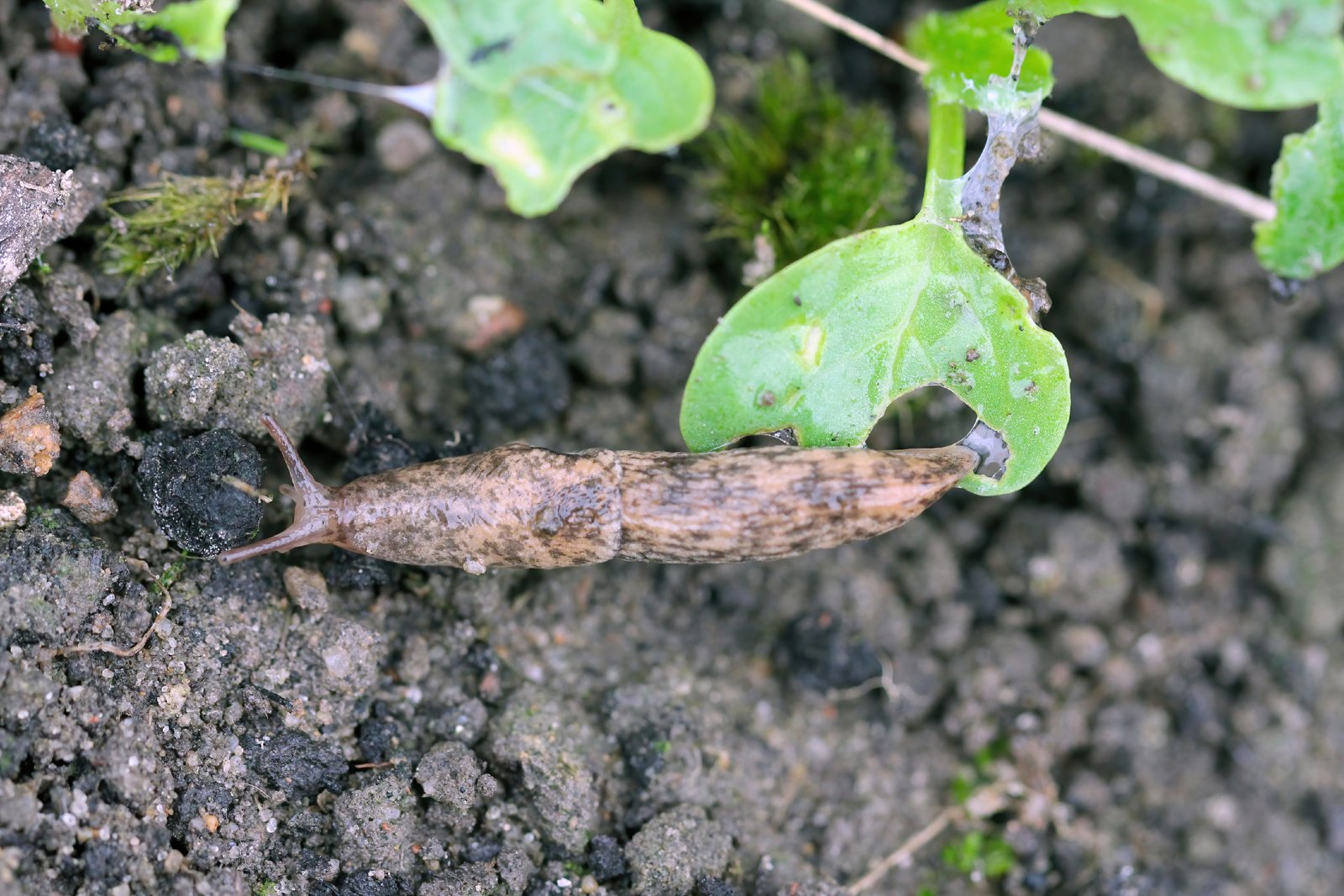
Slugs and snails feed on young spring growth. Established plants outgrow the damage, so no treatment is usually needed. Pick slugs off new plantings at dusk.
What to do next
After the first hard frost, let the dead tops lie over the crowns as winter cover. Every few years in spring, you can slice pieces off a crown with a spade to start new plants. Do it only if you want more comfrey.
The plant has a long folk history too. Anthony Cavender's Folk Medicine in Southern Appalachia notes that mountain families laid comfrey leaf poultices on bruises and sprains. That is history only, and nothing here is medical advice.