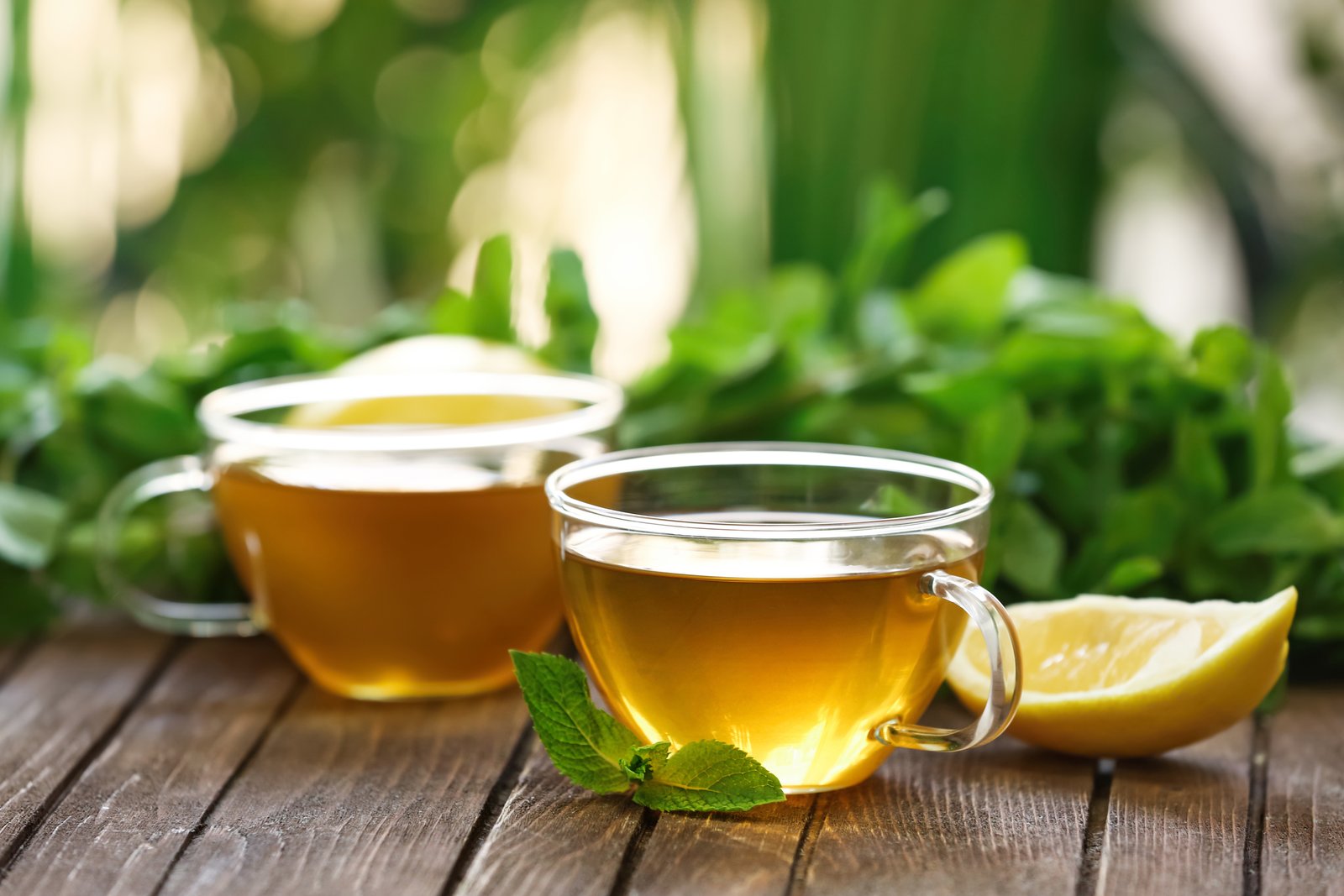
A bed the size of a door holds most of the tea plants that Appalachian families once grew by the kitchen step. Four are easy sun-loving herbs. The fifth, wintergreen, is a woodland plant with very different needs. The one thing that matters most is matching each plant to its conditions. Contain the mint, and give wintergreen its own pot of acid soil in shade.
What you need
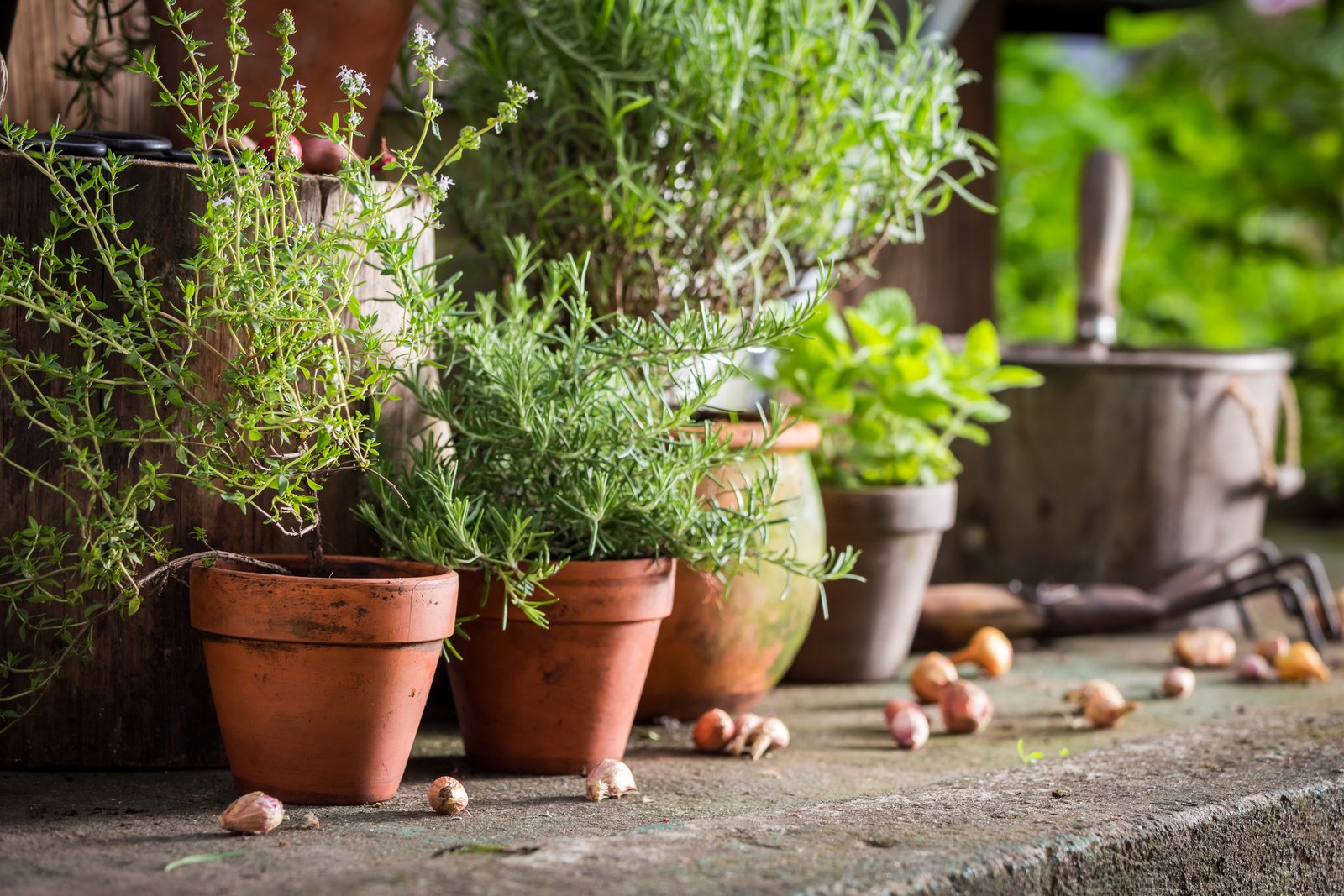
- A sunny spot about 3 by 6 feet (0.9 by 1.8 m), or five or six large containers
- Young plants of peppermint, catnip, bee balm and garden sage
- One or two wintergreen plants from a nursery, not dug from the wild
- A plastic pot of 3 to 5 gallons (11 to 19 litres) to hold the peppermint
- A wide, shallow pot with drainage holes for the wintergreen
- Potting mix made for acid-loving plants such as azaleas
- Compost, a garden fork and a trowel
- Coarse sand or fine grit if your soil is heavy
- Mulch: shredded leaves or bark for the bed, pine needles for the wintergreen
- Scissors or snips for harvesting
When to plant
Plant in spring, once your last expected frost has passed and the soil is workable. Spring planting gives the herbs a full season to root before winter.
Early autumn also works. Finish at least six weeks before your first hard frost so roots can settle. In hot-summer regions, autumn planting is often kinder to young plants than late spring.
All five plants are perennials that return each year. Peppermint and catnip are hardy in USDA zones 3 to 8 or 9. Bee balm suits zones 4 to 9. Garden sage suits zones 4 or 5 to 8, and often fades after a few years in hot, humid summers. Wintergreen grows in zones 3 to 7 and struggles where summers are long and hot. Outside those zones, grow the plant in a pot and replace it as needed.
Step 1: Choose the site and lay out the bed
Pick a place that gets at least six hours of direct sun and drains well after rain. A site near the kitchen door gets used most. Peppermint, catnip, bee balm and sage all share this bed.
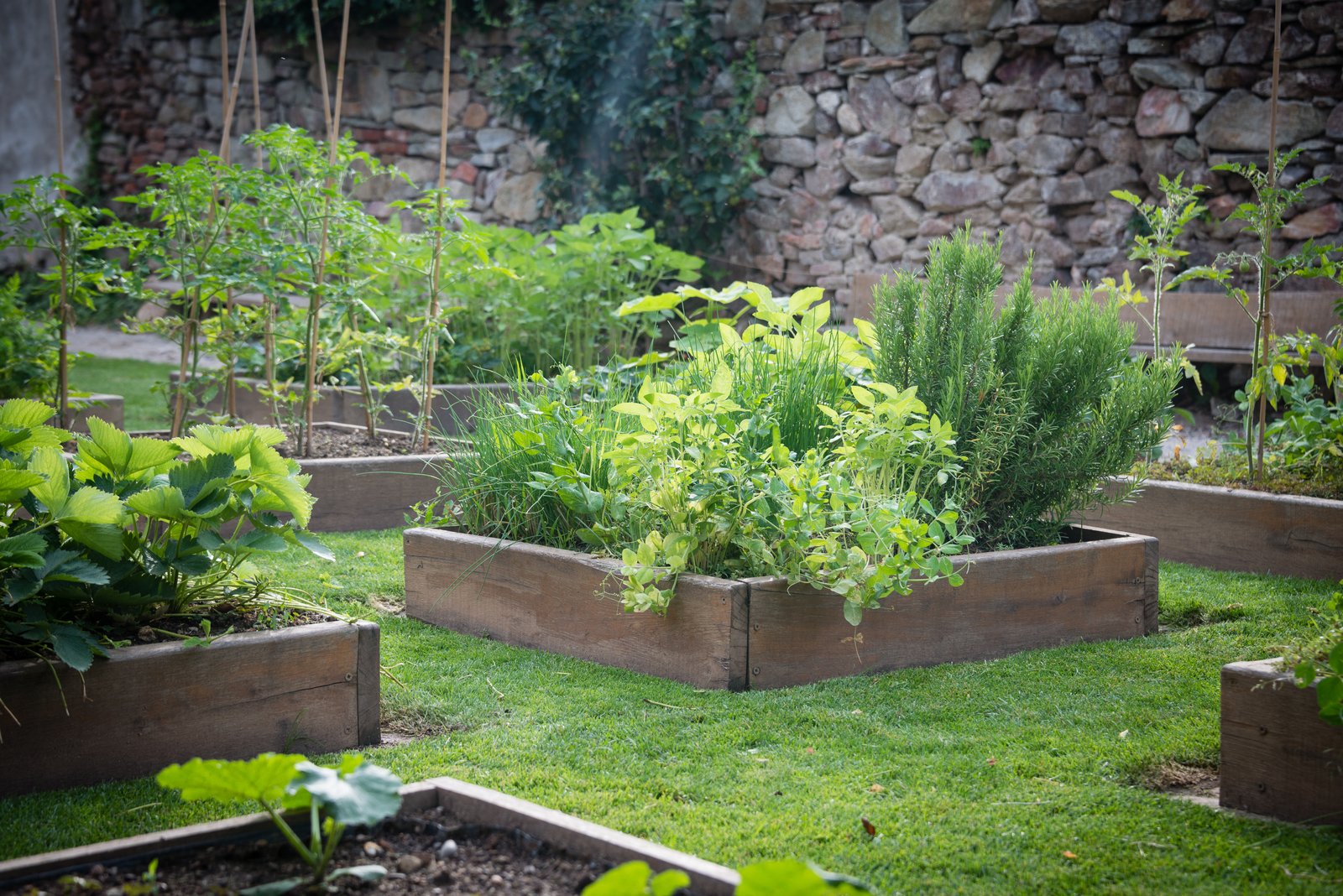
Put the tallest plant at the back or the north end so it does not shade the rest. Bee balm reaches 2 to 4 feet (60 to 120 cm). Catnip grows 2 to 3 feet (60 to 90 cm) and sprawls. Sage and peppermint stay lower, at 1 to 2 feet (30 to 60 cm).
Give sage the driest, sunniest corner. Put peppermint and bee balm where the soil stays more moist. Leave 18 to 24 inches (45 to 60 cm) between plants, because crowded herbs get mildew.
Now find a second spot for the wintergreen pot. It needs shade or dappled light, such as the north side of the house or under a tree.
Step 2: Prepare the soil
Clear all weeds and grass, roots included. Loosen the soil to a fork's depth, about 8 to 10 inches (20 to 25 cm). Spread 1 to 2 inches (2.5 to 5 cm) of compost and mix it into the top layer.
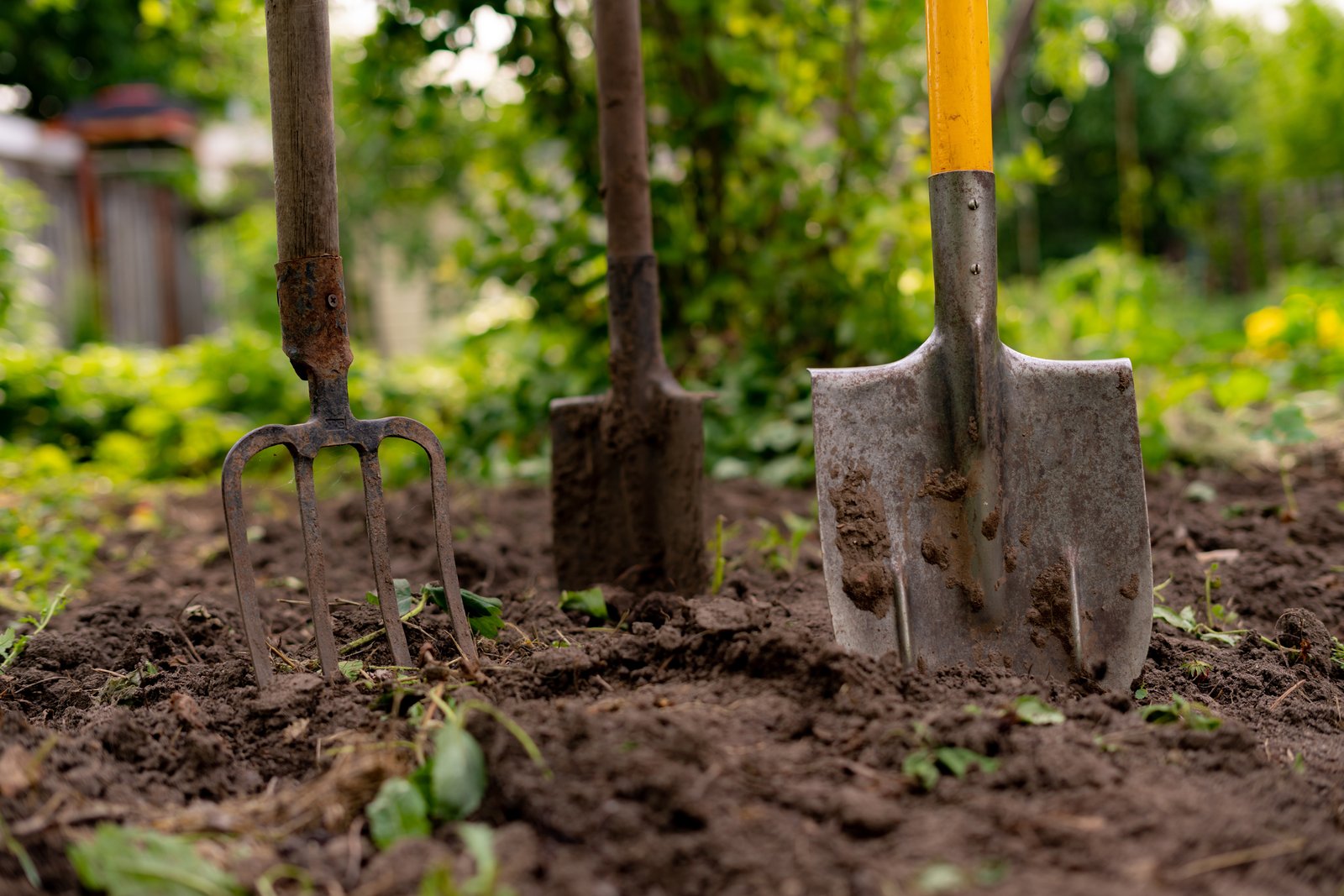
These herbs do not need rich ground. Skip the fertilizer. Lean soil grows smaller plants with stronger scent and flavour, while heavy feeding gives lush, bland leaves.
Drainage matters more than fertility. If water stands in the bed after rain, raise the soil into a low mound or build a simple raised bed. Work coarse sand or grit into the sage corner if your soil is clay.
For a container garden, use one pot per plant. Choose pots at least 12 inches (30 cm) wide with drainage holes, and fill them with ordinary potting mix. Garden soil packs down hard in a pot.
Step 3: Plant the peppermint in a sunk pot
Peppermint (Mentha × piperita) spreads by runners (creeping stems that root as they travel). Planted loose, it takes over the bed within a season or two. A sunk pot keeps it in place.
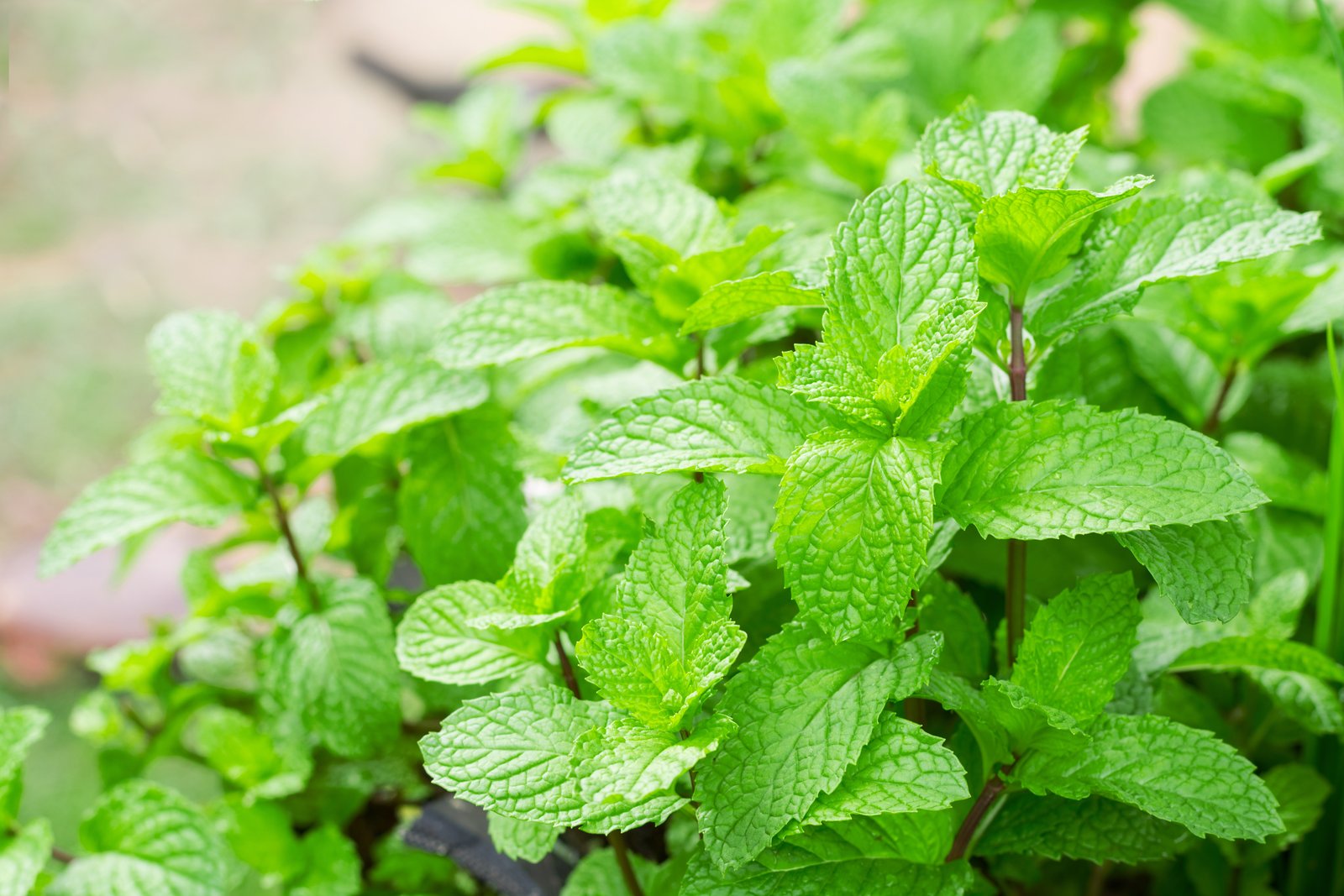
Use a plastic pot of 3 to 5 gallons (11 to 19 litres) with drainage holes. Dig a hole and set the pot in it. Leave the rim standing 1 to 2 inches (2.5 to 5 cm) above the soil surface. That raised lip stops runners from hopping over the edge.
Fill the pot with potting mix and plant the peppermint at the same depth it grew in its nursery pot. Water it well.
Check the rim a few times each summer and snip off any stems reaching for open ground. Runners can also escape through the drainage holes, so lift and turn the pot once a year. Every two or three years, tip the plant out, divide it, and replant one healthy piece in fresh mix.
Step 4: Plant the catnip, bee balm and sage
Water the plants in their pots an hour before planting. Dig each hole as deep as the root ball and twice as wide. Set the plant level with the soil surface, firm it in, and water deeply.
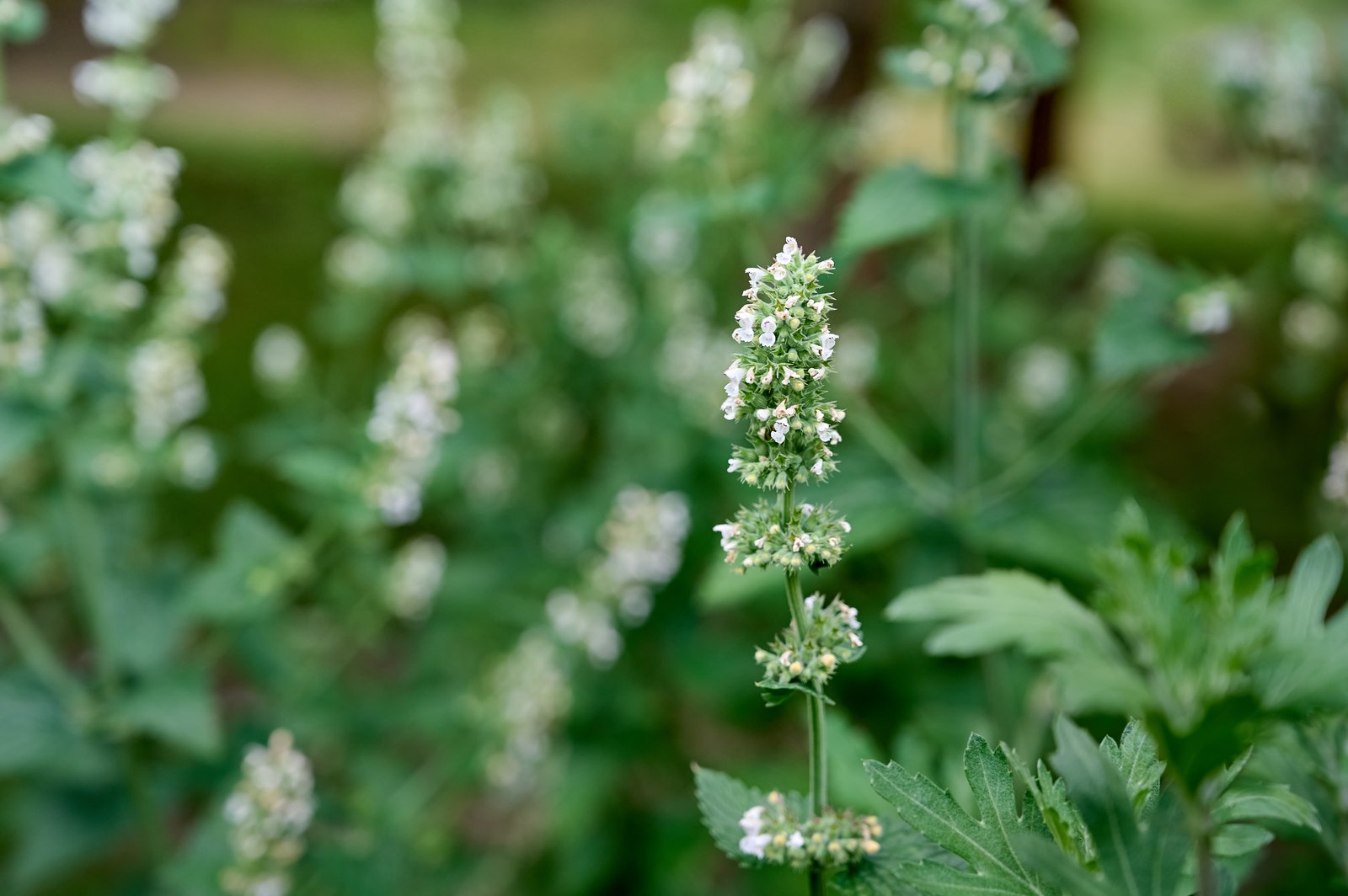
Catnip (Nepeta cataria) is a grey-green mint relative that self-sows freely. Cut it back after flowering to stop unwanted seedlings. Cats roll on young plants and flatten them. An upturned wire basket over the plant protects it until it is established.
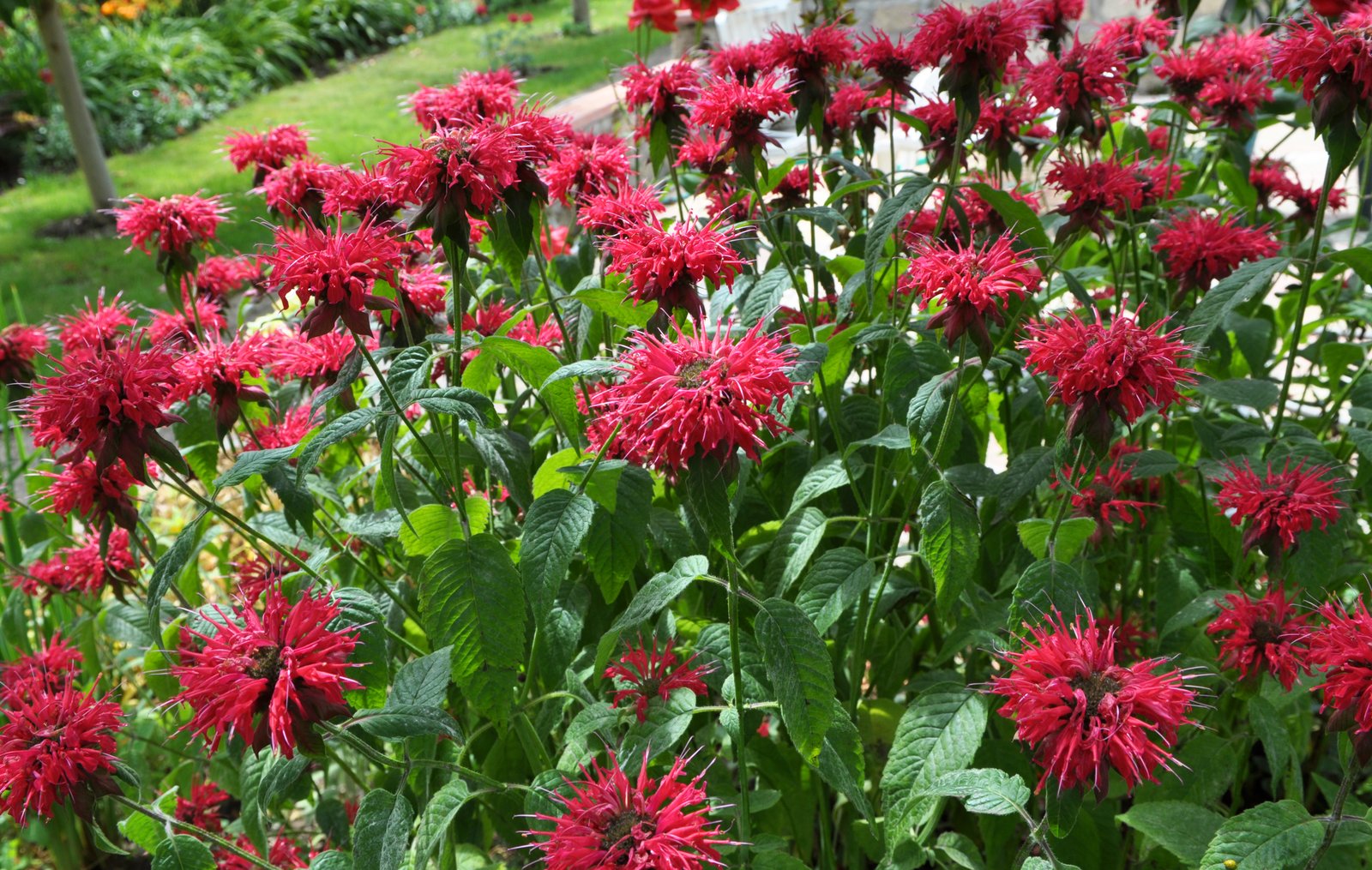
Bee balm belongs to the genus Monarda. Mountain people called several kinds horsemint, especially spotted bee balm (Monarda punctata), which likes dry, sandy soil. Scarlet bee balm (Monarda didyma) and wild bergamot (Monarda fistulosa) are easier to find and prefer moister ground. All draw bees, butterflies and hummingbirds.
Garden sage (Salvia officinalis) is a small woody shrub. Plant it slightly high, on a low mound, so water drains away from the crown (the point where stems meet roots).
Step 5: Pot up the wintergreen
Wintergreen (Gaultheria procumbens) is the plant Appalachian people actually called mountain tea. It is also sold as teaberry or checkerberry. This evergreen creeper stands about 6 inches (15 cm) tall and grows wild on the floor of acid woodlands. It has glossy leaves, small white bell flowers and red berries.
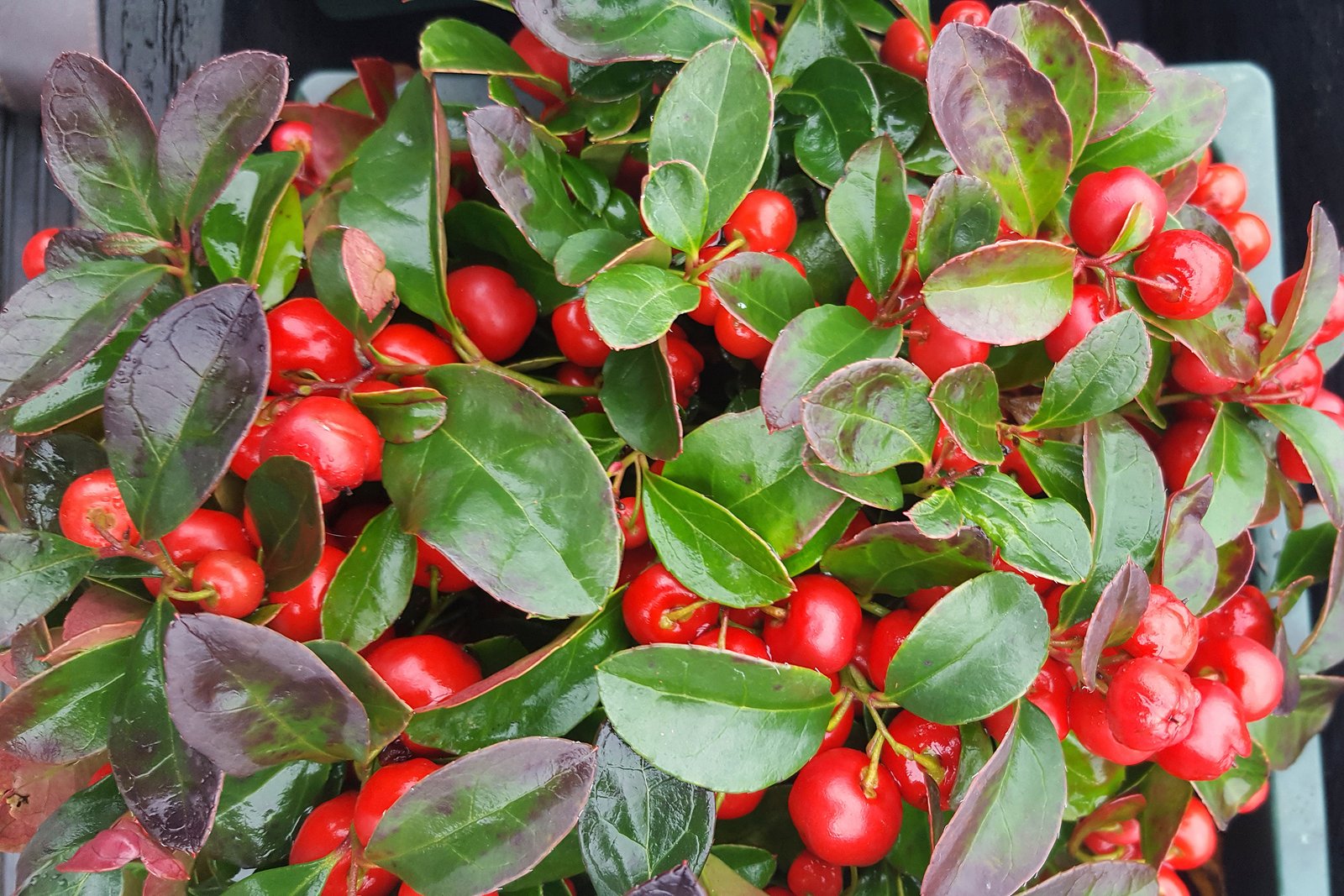
It belongs to the heath family, with blueberries and azaleas. It needs acid soil with a pH of roughly 4.5 to 6. It also needs shade and steady moisture. None of that matches a sunny herb bed, so grow it apart.
Fill a wide, shallow pot with potting mix made for acid-loving plants. Plant at the same depth as in the nursery pot. Mulch the surface with pine needles or fine pine bark. Set the pot in full or dappled shade.
Water whenever the top inch (2.5 cm) of mix feels dry. Use rainwater if your tap water is hard, since lime slowly raises the pH. Wintergreen grows slowly, so expect it to take a few years to fill the pot.
Step 6: Water, mulch and pinch
Water new plants deeply once or twice a week through the first summer when rain is scarce. After that, sage and catnip cope with dry spells. Peppermint and bee balm want watering in any drought. Pots dry out far faster than the ground, so check them daily in hot weather.
Spread 2 inches (5 cm) of shredded leaves or bark over the bed, kept clear of the stems. Leave the soil around sage bare or top it with gravel, because damp mulch rots its crown.
Pinch out the growing tips of peppermint, catnip and bee balm when plants are about 8 inches (20 cm) tall. Pinching forces side shoots and gives you bushier plants with more leaves.
Cut the three soft herbs down to the ground after frost blackens them. Prune sage lightly in spring once new growth shows. Never cut into its bare old wood, which seldom resprouts.
Step 7: Harvest and dry the leaves
Pick lightly in the first year so the plants can establish. A few sprigs at a time is enough. From the second year, take up to a third of a plant at once and let it regrow before cutting again.
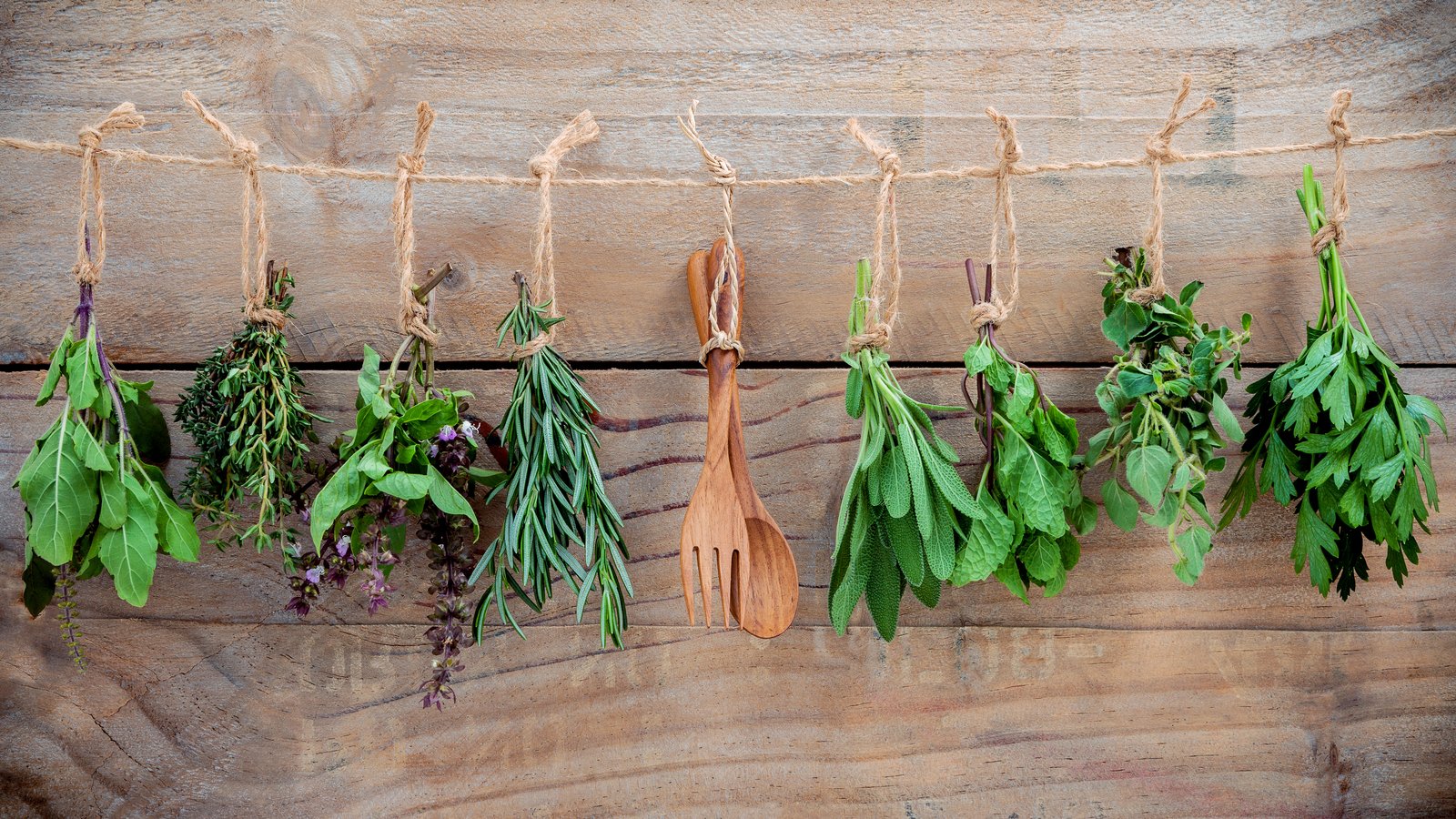
Harvest on a dry morning, after the dew has gone and before the day heats up. The scented oils in the leaves are strongest then. Cut each stem just above a pair of leaves so the plant branches. Bee balm flowers are worth picking too.
Tie the stems in small bunches and hang them somewhere warm, dark and airy. Leaves are ready when they crumble between your fingers, usually after one to two weeks. Strip them from the stems, store them whole in airtight jars, and label each jar.
Pick wintergreen sparingly, a few leaves at a time, since the plant replaces them slowly.
Anthony Cavender's Folk Medicine in Southern Appalachia records these plants as everyday household teas. Families drank catnip tea at bedtime and peppermint for the stomach. They brewed horsemint, sage and wintergreen during colds and fevers. These are historical uses only, and nothing here is medical advice.
Herbal teas are not safe for everyone. If you are pregnant, breastfeeding or taking medication, check with your doctor before drinking any herbal tea regularly. Wintergreen leaves contain a natural compound related to aspirin, so avoid them if you cannot take aspirin.
Common problems
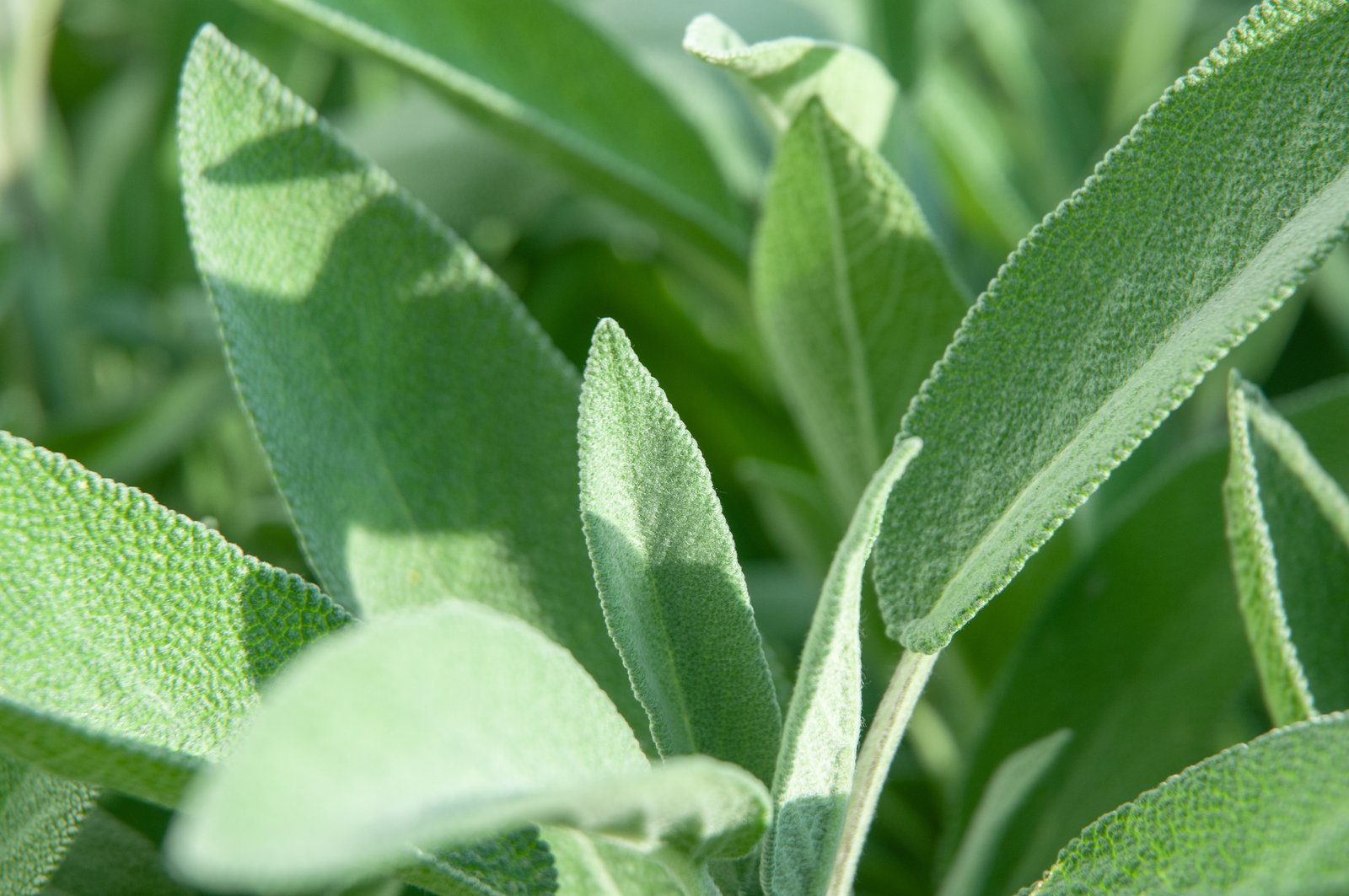
White powdery coating on bee balm or sage leaves
This is powdery mildew, a fungus that thrives in still, humid air. Thin out a third of the bee balm stems in spring to let air through. Water the soil rather than the leaves. Cut affected stems to the ground after flowering and put them in the trash, not the compost. Mildew-resistant bee balm varieties are widely sold.
Peppermint shoots appearing outside the pot
A runner has jumped the rim or slipped through a drainage hole. Dig out every piece of stray stem, because each fragment regrows. Raise the pot so the rim stands well clear of the soil. Trim around the edge monthly during the growing season.
Sage wilts and turns black at the base
The cause is wet soil or damp mulch against the crown. Sage comes from dry, stony hillsides and rots quickly in heavy ground. Replant in a raised mound with added grit, or move it to a clay pot. Replace old, woody plants every four or five years.
Wintergreen leaves turn yellow between the veins
The soil is not acid enough, so the plant cannot take up iron. Hard tap water and ordinary potting mix are the usual causes. Repot into acid-lover mix, switch to rainwater, and mulch with pine needles. Scorched brown edges mean too much sun, so move the pot deeper into shade.
Catnip seedlings coming up everywhere
Catnip drops large amounts of seed. Shear the plant back by half as soon as the flowers fade. Pull stray seedlings while they are small, or pot them up to give away.
What to do next
In the second spring, divide the bee balm and repot the peppermint to keep both vigorous. With more room, add spicebush (Lindera benzoin), a native shrub for part shade in zones 4 to 9. It grows 6 to 12 feet (1.8 to 3.7 m) tall. Mountain families called it spicewood and brewed its twigs.